




The Two Faces of Cinnamon
Most of the cinnamon sold in supermarkets is not what botanical experts consider “true cinnamon.” There are two main players on the global market. The first is Ceylon cinnamon, which comes from the Cinnamomum verum tree, native to Sri Lanka and Southern
India. This is widely regarded as “true cinnamon.” The second, and far more common, is Cassia cinnamon. Cassia is a collective term for several related species, including Cinnamomum cassia (Chinese), Cinnamomum burmannii (Indonesian), and Cinnamomum loureiroi (Saigon). While related, their properties and impact on health are quite different. Cassia is significantly cheaper to produce, which is why it makes up an estimated 90% of the cinnamon sold globally and is the default variety in most grocery stores.
The Health Concern: What is Coumarin?
The primary reason to distinguish between the two types of cinnamon lies in a single compound: coumarin. Coumarin is a naturally occurring substance that, in high doses, can be harmful to the liver. Cassia cinnamon is packed with it, containing up to 1% coumarin by weight. In stark contrast, Ceylon cinnamon contains only trace amounts, often around 0.004%—a difference of about 250 times. Food safety authorities have established a tolerable daily intake (TDI) for coumarin of 0.1 mg per kilogram of body weight. For someone who regularly consumes cinnamon—perhaps in daily smoothies, tea, or oatmeal—using the Cassia variety can easily push them over this safety limit. For occasional use, Cassia is generally fine, but for daily consumers, Ceylon is the much safer choice.
Know Your Botanical Names
Since packaging can be misleading, the most reliable way to ensure you're buying true cinnamon is to check the ingredient list for the botanical name. For true Ceylon cinnamon, look for the scientific name Cinnamomum verum. Sometimes, it may also be listed as Cinnamomum zeylanicum. If the label simply says “cinnamon,” “ground cinnamon,” or lists a different species like Cinnamomum cassia or Cinnamomum burmannii, you are holding the Cassia variety. When shopping, especially online, searching for the name “Cinnamomum verum” is your best bet to filter out the imposters.
A Visual Guide to Telling Them Apart
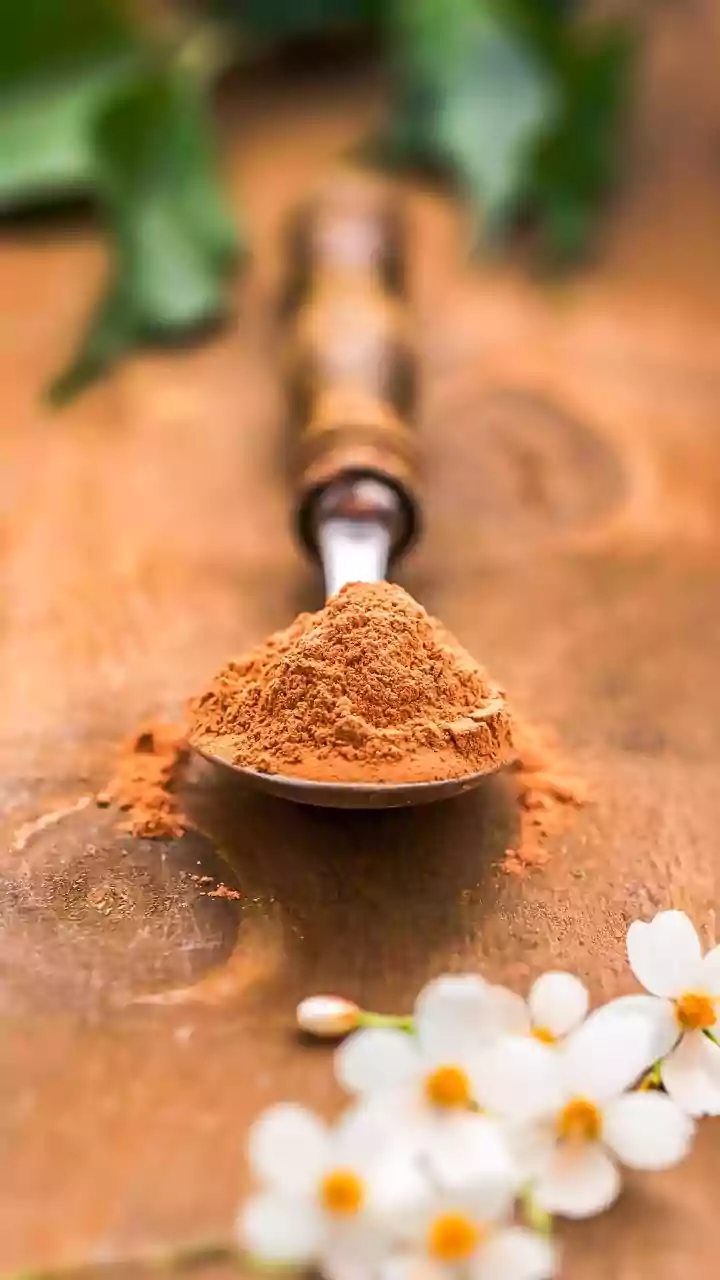
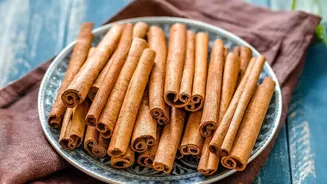
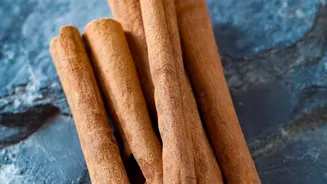
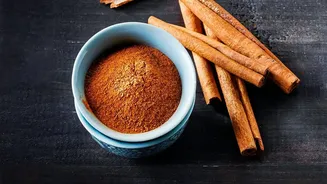
When you're buying whole cinnamon sticks, the difference is surprisingly easy to spot. Ceylon cinnamon sticks are composed of many thin, papery layers rolled together into a quill that resembles a delicate cigar. They are tan-brown in colour, soft, and brittle, crumbling easily between your fingers. Cassia sticks, on the other hand, are made from a single, thick layer of hard bark that curls inward from both sides, forming a hollow, woody tube. They are much tougher and have a darker, reddish-brown hue. Unfortunately, once the cinnamon is ground into a powder, it becomes almost impossible to distinguish by sight alone, although Ceylon powder is often lighter and more golden compared to the reddish-brown Cassia powder. This is why relying on the botanical name is crucial when buying powdered spice.
Flavour and Aroma Differences
The two cinnamons also offer distinct sensory experiences. Cassia has the strong, pungent, and spicy-sweet flavour that many people associate with cinnamon-flavoured candies or robust curries. Its aroma is powerful and can be slightly bitter. Ceylon cinnamon offers a more delicate and sophisticated profile. It is subtly sweet with warm, floral, and even citrusy notes. Its mildness makes it perfect for desserts, beverages, and dishes where you want a refined hint of spice without overpowering other ingredients.