




The Salt We Know and Love
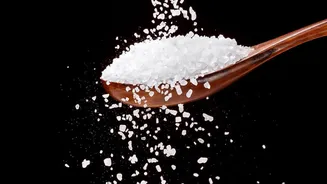
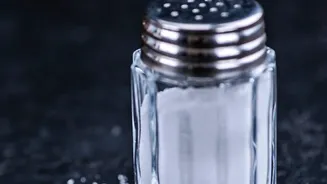
For most of us, salt is just salt. It’s the white crystalline powder we sprinkle on everything from our morning eggs to our evening dal. Chemically, this is sodium chloride. Sodium is an essential mineral our bodies need to maintain fluid balance and
ensure our muscles and nerves function properly. The problem isn't sodium itself, but the sheer quantity we consume. The average Indian consumes between 8 and 11 grams of salt daily, which is nearly double the World Health Organization's recommended limit of 5 grams per day. This excess sodium is a primary driver of high blood pressure, or hypertension, which affects millions in India and significantly increases the risk of heart attacks and strokes.
What is a Salt Substitute?
Enter the salt substitute. These products are designed to look and taste like regular salt but have a different chemical makeup. Most commonly, a portion of the sodium chloride is replaced with potassium chloride. A typical formulation for what experts call a Low-Sodium Salt Substitute (LSSS) contains about 70-75% sodium chloride and 25-30% potassium chloride. This simple switch achieves two things at once: it reduces your sodium intake while increasing your potassium intake. Potassium is another crucial mineral that has the opposite effect of sodium; it helps to relax blood vessels and lower blood pressure, but most Indians don't get enough of it.
The Push for a National Shift
Recognizing the public health crisis posed by hypertension, a consortium of leading Indian experts from fields like cardiology, nutrition, and public health has issued a consensus statement. They are strongly recommending the adoption of potassium-enriched low-sodium salt as a national strategy to combat cardiovascular disease. The proposal is rooted in a unique aspect of Indian dietary habits: nearly 80% of our salt intake comes from salt added during cooking at home, not from processed foods as is common in Western countries. This means a simple change in the salt available in kitchens across the country could have a monumental impact. Experts have even referred to LSSS as a 'dietary vaccine' for hypertension, a passive intervention that offers protection without major behavioural changes.
The Health Case for Less Sodium
The evidence supporting this shift is strong. Multiple studies have demonstrated that using salt substitutes can significantly lower blood pressure. One randomized controlled trial conducted in rural India showed a notable reduction in systolic blood pressure among hypertensive adults who used potassium-enriched salt. Globally, large-scale studies have linked the use of salt substitutes to a 14% lower risk of stroke and a 12% lower risk of premature death from any cause. By addressing both high sodium and low potassium levels simultaneously, these substitutes tackle two key dietary risk factors for heart disease head-on. Modelling studies estimate that nationwide adoption in India could prevent 8-14% of all cardiovascular deaths each year.
Are There Any Downsides?
While salt substitutes are safe for the vast majority of the population, they are not for everyone. The main concern is the increased potassium. For individuals with advanced chronic kidney disease, or those on certain medications like ACE inhibitors, the body may not be able to excrete potassium effectively. This can lead to a condition called hyperkalemia (abnormally high potassium levels in the blood), which can be dangerous. For this reason, experts stress that people with known kidney problems or other serious health conditions should consult their doctor before making the switch. For the general population, however, the risk is considered very low and far outweighed by the population-level benefits of reducing sodium intake.