



A Taste of Home in the Cosmos
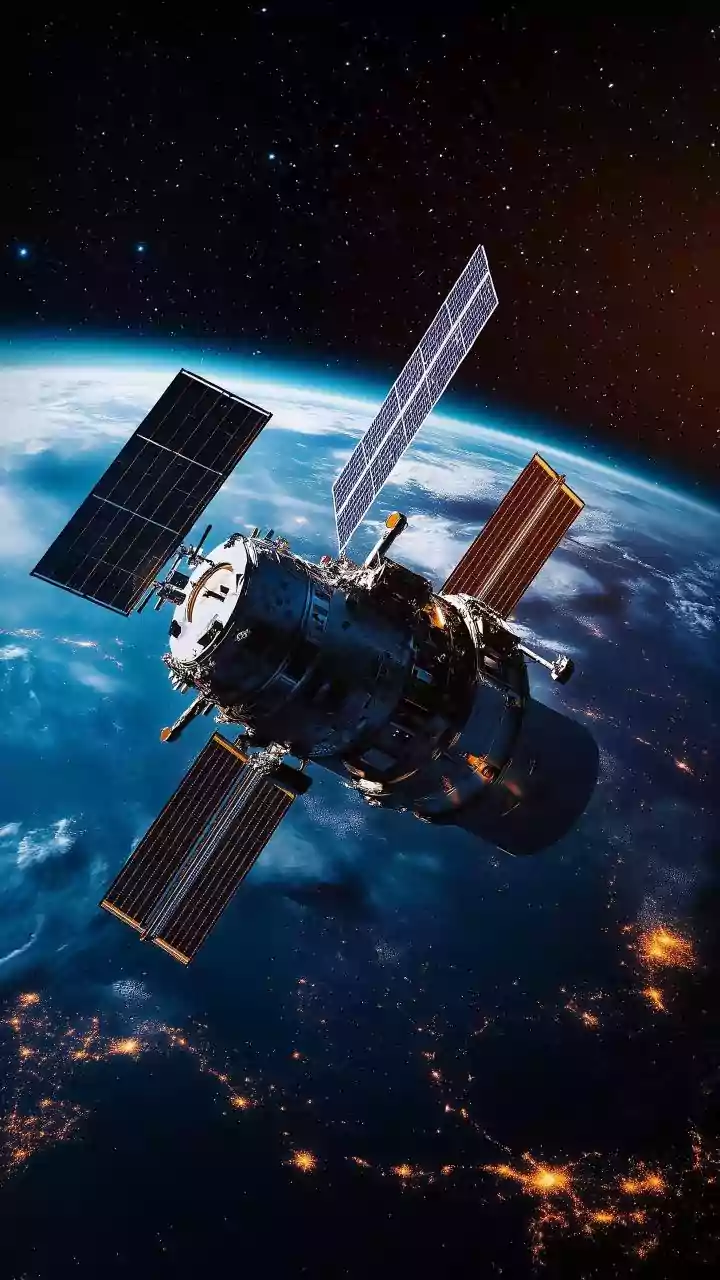
When Group Captain Shubhanshu Shukla prepared for his mission to the International Space Station (ISS), a taste of home was high on the agenda. The psychological comfort of familiar food is crucial for astronauts on long missions, providing a link to their
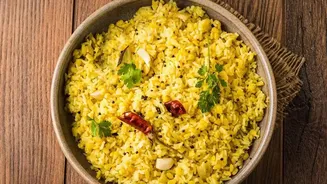
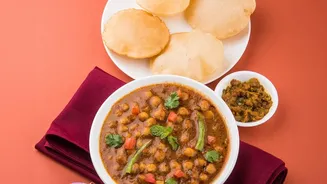
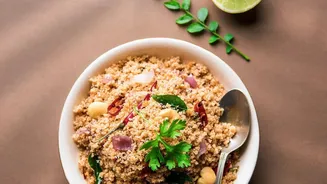
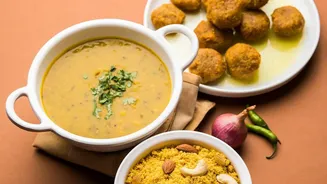
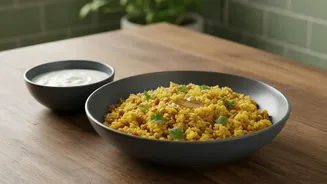
culture and a much-needed morale boost millions of miles from Earth. In preparation, the Defence Food Research Laboratory (DFRL), the Mysuru-based DRDO lab responsible for creating meals for India's armed forces and its ambitious Gaganyaan mission, developed a wide array of Indian dishes. The initial list was a culinary dream, featuring favourites like khichdi, vegetable pulao, idli-sambar, and various rolls. The goal was to certify as many Indian foods as possible for spaceflight, creating a robust menu for future missions.
The Unforgiving Gauntlet of Space-Food Testing
Getting food approved for space is far more complex than simply packing a meal. Every item must pass a battery of stringent tests to ensure it's safe, stable, and practical in a zero-gravity environment. First, there's the crumb test. In microgravity, floating crumbs aren’t just messy; they are a serious hazard that can clog air filters, contaminate sensitive equipment, or be inhaled by astronauts. This immediately disqualifies many dry, flaky, or brittle foods. Second, the food must have an incredibly long shelf life without refrigeration and remain microbiologically safe. Scientists use advanced preservation methods like freeze-drying and thermostabilization (heat treatment) to achieve this. Finally, the food must be nutritionally dense, lightweight, and easy to consume, often from a specially designed pouch.
Why Most Indian Dishes Failed the Test
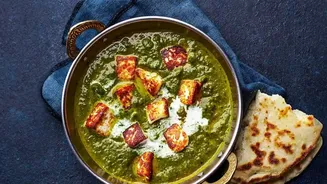
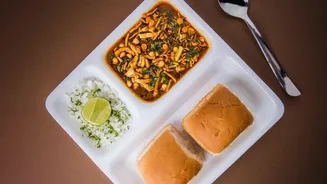
Many beloved Indian dishes, unfortunately, could not meet these extreme standards. Anything too oily or spicy is generally avoided. More critically, foods that produce crumbs, like parathas or samosas, are an immediate no-go. Even seemingly simple dishes like pulao or khichdi faced challenges. Individual grains of rice could easily float away, creating a hazardous cloud of debris within the spacecraft. According to Shukla, another significant factor was time. While the DFRL was working to qualify a larger menu, the deadline for the mission approached, meaning only the dishes that had completed and passed all qualification tests could be certified for flight.
The Final Menu: What Made the Cut?
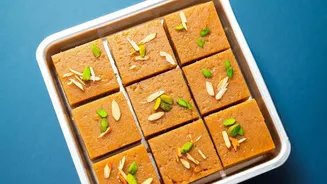
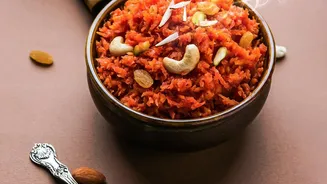
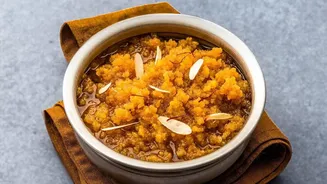
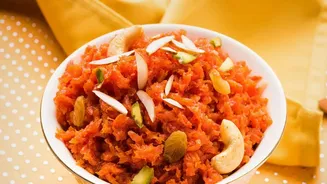
After all the rigorous testing, just three items from the extensive Indian menu were approved to fly with Shubhanshu Shukla: Moong Dal Halwa, Gajar ka Halwa, and Aamras (mango puree). These dishes succeeded where others failed likely due to their consistency. Halwas are dense, moist, and have very low potential for creating crumbs. Similarly, aamras is a smooth puree, making it perfectly suited for consumption in zero gravity. These sweet, comforting dishes provided a valuable taste of home, which Shukla was reportedly excited to share with his international crewmates from the United States, Poland, and Hungary.
A Small Menu, A Giant Leap for Food Science
While the menu was small, its journey to the ISS represents a significant achievement for Indian food science. The work done by the DFRL in developing and testing these meals for Shukla's Axiom-4 mission provides invaluable data and experience for India's own upcoming Gaganyaan mission. The lessons learned from a plate of khichdi that stayed on Earth are just as important as those from the halwa that made it to orbit. The process has refined techniques for creating space-safe Indian cuisine, ensuring that when India sends its own astronauts on an indigenous spacecraft, they will have an even wider and more delicious menu to remind them of home. Despite the limited menu, Shukla humorously noted on a podcast that his crewmates enjoyed the Indian sweets so much that they were finished before he could have much himself.