




The Anatomy of a High-Knee Clap
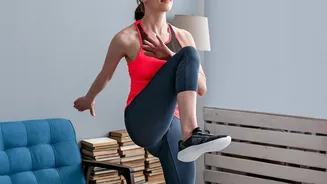
At its core, the high-knee clap is a dynamic bodyweight exercise that builds upon the classic high knees drill. The movement is simple yet effective: you stand in place, lift one knee to your chest, and clap your hands together underneath your raised
thigh. Then, you immediately switch to the other leg. This addition of a clap transforms the exercise from a purely cardiovascular movement into a test of balance, rhythm, and coordination. It’s an ideal addition to any standing workout, especially for those looking to break the monotony of a sedentary day without needing a gym or any special equipment. It serves as an excellent warm-up to increase heart rate or as a standalone movement to re-energize your body and mind.
Why Coordination Is the Key Benefit
While high-knee claps are great for getting your heart pumping, their real magic lies in their ability to improve neuromuscular coordination. Every time you lift one leg, your body must instantly stabilize itself on the standing leg, engaging your core and the smaller muscles around your ankle and hip. The act of clapping underneath your knee requires you to time the movement of your upper and lower body perfectly. This simultaneous action of balancing, lifting, and clapping enhances proprioception—your body's awareness of its own position in space. For creators, designers, writers, and anyone whose work demands long hours of focused, often stationary, concentration, this brief physical challenge can improve focus, stimulate the brain, and combat the physical stagnation that comes from sitting.
Mastering the Move: Step-by-Step
Proper form is essential to get the most out of the exercise and prevent injury. Follow these steps to perform high-knee claps correctly: 1. Start Tall: Stand with your feet hip-width apart, keeping your back straight and your chest open. Engage your core muscles as if you're about to brace for a light punch. This will protect your lower back. 2. Lift and Clap: Lift your right knee up toward your chest, aiming for it to reach at least hip height. As your knee rises, bring both hands together and clap cleanly underneath your right thigh. 3. Controlled Return: Lower your right foot back to the ground softly, landing on the ball of your foot to absorb the impact. 4. Alternate Sides: As soon as your right foot touches down, immediately begin lifting your left knee toward your chest and clap underneath your left thigh. Find a rhythm that works for you. You can start with a slow, deliberate march to master the coordination before increasing your speed.
Common Mistakes and How to Fix Them
Even simple exercises have pitfalls. Watch out for these common errors to ensure you are performing the move safely and effectively: Leaning Back: Many people lean their torso backward to make it easier to lift the knee. This puts unnecessary strain on the lower back. Fix: Keep your torso upright and focus on using your hip flexors and core to lift your leg. Rounding the Back: Slouching forward to get your hands under your knee compromises your posture. Fix: Bring your knee up to meet your hands, not the other way around. Keep your chest proud. Not Lifting High Enough: A low knee lift cheats the exercise of its core and hip flexor benefits. Fix: Slow down and focus on quality over quantity. Aim for your thigh to become parallel to the floor with each lift. Stomping the Feet: Landing heavily can be jarring on your joints. Fix: Think about being light on your feet. Land softly on the balls of your feet rather than flat-footed.
Build Your 5-Minute Standing Workout
High-knee claps are a perfect ingredient for a quick standing workout to break up your day. Try this simple, five-minute routine right at your desk: 60 seconds: Gentle marching in place to warm up. 60 seconds: Bodyweight squats, focusing on good form. 60 seconds: High-Knee Claps (at a moderate, controlled pace). 60 seconds: Arm circles (30 seconds forward, 30 seconds backward) to open up the shoulders. 60 seconds: High-Knee Claps (with a bit more speed if you feel comfortable). 60 seconds: Gentle stretching, such as a quad stretch or reaching for your toes.