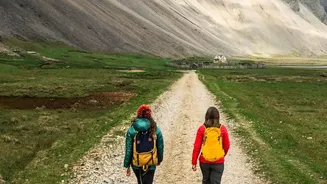








Go Beyond 'Leave No Trace'
The seven 'Leave No Trace' principles are the gold standard for outdoor ethics, covering basics like planning ahead, disposing of waste properly, and respecting wildlife. This means packing out everything you pack in—including biodegradable items like fruit
peels—staying on designated trails to prevent soil erosion, and never feeding wild animals. But responsible travel in fragile areas requires a deeper commitment. It involves actively leaving a place better than you found it, which could mean participating in organised clean-up efforts or contributing to local conservation funds that help preserve the very nature you’ve come to enjoy.
Follow the Money: Support Local Economies
One of the most powerful ways to be a responsible traveller is to ensure your money directly benefits the local community. Whenever possible, choose locally-owned accommodations, hire local guides, and eat at family-run restaurants. Buying handicrafts directly from artisans instead of large souvenir shops ensures they receive a fair price for their work. This approach not only provides a more authentic cultural experience but also creates a strong economic incentive for the community to protect its natural and cultural heritage, turning tourism into a force for conservation rather than extraction.
Think Before You Geotag
In the age of social media, a single viral photo can turn a hidden gem into an overcrowded hotspot, a phenomenon sometimes called 'overtourism'. When you geotag a specific, sensitive location, you risk exposing it to visitor numbers it cannot sustain, leading to soil erosion, habitat destruction, and displaced wildlife. Instead of tagging a precise spot, consider tagging a general region or city. This allows you to share your beautiful images without inadvertently causing harm to the delicate ecosystems that made them possible. While sharing can promote tourism, it must be done with care to prevent overwhelming local infrastructure and nature.
Choose Your Tour Operator Wisely
Not all tour companies are created equal. Before booking, do your research to find operators with a genuine commitment to sustainability. Look for businesses that have clear environmental policies, employ local staff, and contribute to community projects or conservation efforts. A responsible operator will be transparent about their practices, from waste management to wildlife viewing ethics. They should enforce strict rules against touching or feeding animals and maintain a respectful distance from wildlife in their natural habitats. Choosing a certified sustainable tour operator is a vote for better tourism practices across the industry.
Respect Cultural and Natural Heritage
Fragile landscapes are often intertwined with deep cultural and spiritual significance for local communities. Responsible travel means being a respectful guest. Learn a few words of the local language, dress modestly—especially when visiting religious sites—and always ask for permission before taking photographs of people or their property. Be mindful that natural features like mountains, rivers, and forests may be considered sacred. Adhere to all posted rules, stay out of restricted areas, and treat the landscape not just as a pretty backdrop, but as a cherished home and a living cultural site.
Pack for a Positive Impact
Your journey towards responsible travel begins before you even leave home. Pack light and smart to minimise your footprint. Bring a reusable water bottle and a portable filter or purification tablets to avoid purchasing single-use plastic bottles, which are a major source of pollution. Carry a reusable bag for shopping and pack your own toiletries to reduce waste from small hotel bottles. In remote areas, waste management facilities can be limited or nonexistent, so minimising the waste you create is one of the most direct ways you can help protect a fragile environment.