

The Fasting Favourite, Reimagined
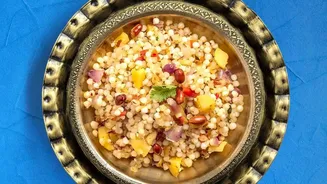
Sabudana, or tapioca pearls, holds a special place in Indian kitchens, especially during religious fasts like Navratri, Ekadashi, and Maha Shivratri. Traditionally seen in dishes like khichdi and vada, this versatile ingredient gets a modern makeover
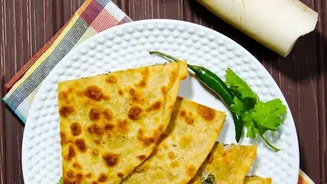
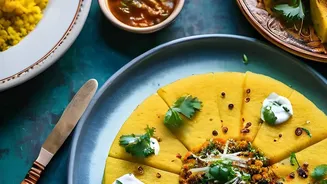
in the form of a paratha. Because it is derived from tapioca root starch and not a grain, it is permitted during fasts where cereals are avoided. This paratha recipe transforms the humble pearl into a hearty, flavourful flatbread that is soft on the inside with a delightful crispy exterior, making it a perfect meal for days of 'upvas' or for anyone looking for a creative culinary experiment.
Why Sabudana, Not Wheat?
The primary reason for using sabudana is religious observance; many Hindu fasts require abstaining from grains like wheat and rice. Sabudana provides a quick and sustained source of energy through its high carbohydrate content, which is essential when food intake is restricted. Beyond its role in fasting, the sabudana paratha has gained popularity as a naturally gluten-free option. For individuals with celiac disease or gluten sensitivity, this recipe offers a wonderful way to enjoy a paratha without using wheat flour, making it a healthy and inclusive choice for any meal.
Your Guide to the Perfect Dough
The secret to a great sabudana paratha lies in the dough. Unlike wheat dough, this one is gluten-free and requires a binding agent, which comes from boiled potatoes. Here’s a simple ingredient list to get you started: 1 cup Sabudana (Tapioca Pearls) 2 medium-sized Boiled Potatoes, peeled and mashed 1/4 cup Roasted Peanuts, coarsely crushed 1-2 Green Chillies, finely chopped 1 tablespoon Fresh Coriander, chopped 1 teaspoon Cumin Seeds (Jeera) Sendha Namak (Rock Salt) to taste 1 teaspoon Lemon Juice (optional) * Ghee or oil for cooking First, you must prepare the sabudana. Some recipes call for soaking whole pearls for several hours until they are soft and mashable. A quicker method involves dry-roasting the sabudana on low heat for 8-10 minutes (without changing its colour), letting it cool completely, and then grinding it into a fine powder. In a large bowl, combine this sabudana flour, mashed potatoes, crushed peanuts, green chillies, coriander, cumin seeds, and sendha namak. Mix all the ingredients thoroughly. Add lemon juice if using, and then gradually add a small amount of water, kneading gently to form a soft, pliable dough. Let the dough rest for about 15-20 minutes.
Crafting and Cooking the Parathas
Working with sabudana dough is different from wheat dough. It's more delicate and can be sticky. Divide the rested dough into equal-sized balls. To prevent sticking, it’s best to roll the parathas between two sheets of parchment paper or on a lightly greased plastic sheet. Take one dough ball, flatten it slightly with your hands, and place it on the greased sheet. Cover with another sheet and gently roll it out to a circle of about 4-5 inches in diameter. Don't worry if the edges crack; you can either neaten them with your fingers or use a round cutter for a perfect shape. Heat a tawa or non-stick pan over medium heat. Carefully lift the paratha and place it on the hot tawa. Let it cook for about a minute before flipping. Drizzle ghee or oil on both sides and cook, pressing gently with a spatula, until it's golden brown and crispy on both sides.
Tips for Flawless Results
Achieving the perfect texture requires a few tricks. If using soaked sabudana instead of flour, ensure you use just enough water to cover the pearls while soaking and drain any excess water completely to avoid a sticky dough. The crushed roasted peanuts are not just for flavour; they also help absorb excess moisture and prevent stickiness. Don’t over-knead the dough, as this can make it dense. A gentle mix to bring the ingredients together is sufficient. Finally, cook the parathas on a medium flame. Cooking on high heat can make them brown too quickly on the outside while remaining uncooked inside, while a low flame can make them hard.
Perfect Pairings and Serving Suggestions
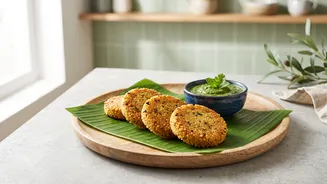
Sabudana parathas are wonderfully flavourful on their own, but they truly shine when paired with the right accompaniments. The most classic pairing is a simple bowl of plain curd (dahi), which offers a cooling contrast to the savoury paratha. For a more flavourful option, serve it with a 'vrat-friendly' green chutney made from coriander, green chillies, lemon juice, and sendha namak. Another excellent side dish is a simple 'vrat wale aloo'—a light potato curry made without onion or garlic. These combinations create a complete and satisfying festive meal that is both delicious and compliant with fasting traditions.