
The Allure of the 'Valley of Flowers'
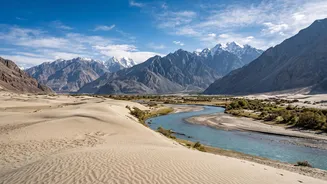
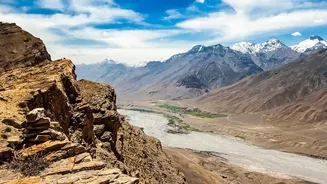
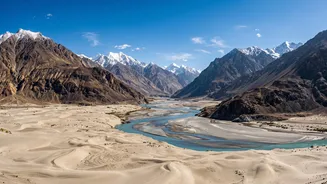
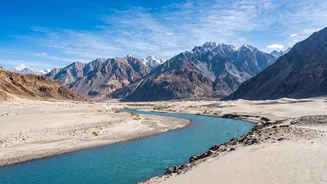
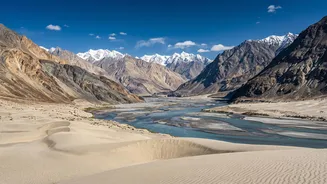
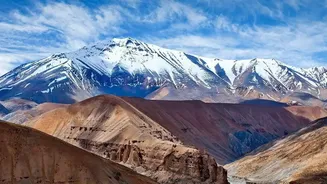
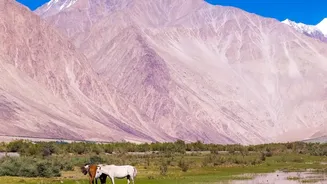
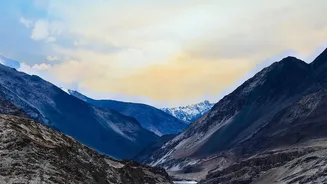
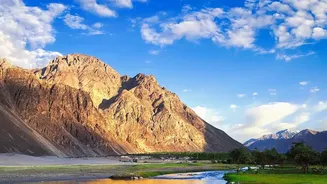
Known to locals as Ldumra, or the 'Valley of Flowers', Nubra is a high-altitude cold desert that defies expectations. Situated north of Leh, the valley is famous for its dramatic confluence of the Shyok and Nubra rivers, sprawling sand dunes in Hunder,
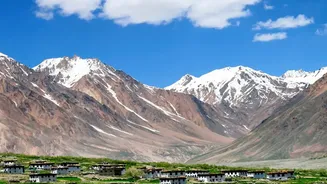
and the iconic double-humped Bactrian camels that roam them. Dotted with ancient Buddhist monasteries like Diskit Gompa, which houses a towering 32-metre statue of Maitreya Buddha, and verdant villages full of apricot orchards, Nubra feels like a world apart. It's a land of stark contrasts, where arid mountains cradle lush green oases, making it a bucket-list destination for adventurers, photographers, and spiritual seekers alike.
The Journey as It Stands
Currently, the only way for tourists to reach Nubra Valley is by flying into Leh's Kushok Bakula Rimpochee Airport and then embarking on a challenging road journey. The drive, which covers approximately 120-160 kilometres depending on the destination within the valley, takes between five and seven hours. This route crosses the formidable Khardung La, one of the world's highest motorable passes, sitting at an elevation of over 17,500 feet. While spectacularly scenic, the drive is demanding, with winding roads, hairpin bends, and the constant risk of altitude sickness. The pass is also subject to closure during the harsh winter months due to heavy snowfall, effectively cutting off road access for a significant part of the year.
A New Era of Air Connectivity
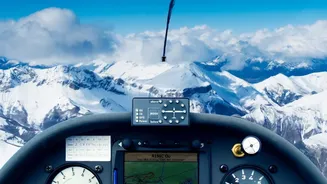
This long-standing travel barrier may soon be a thing of the past. The administration of Ladakh is actively working to open the Thoise airport in Nubra Valley to commercial civilian flights, with a target of December 2026. Thoise has long served as a crucial high-altitude military airfield for the Indian Air Force, primarily for logistics to the Siachen Glacier. Recent developments have seen the IAF approve five acres of land for a new civil terminal, and runway recarpeting work is expected to be finished by November 2026. To expedite the launch, the initial plan is to refurbish and use the existing charter-flight terminal for the first passenger services. While December remains a target and not a confirmed launch date, the concerted efforts from multiple ministries and authorities signal a strong push to make direct flights a reality.
What Flights Mean for Travellers and Locals
The introduction of commercial flights to Thoise would be a game-changer. For tourists, it would slash travel time, replacing the gruelling 5-6 hour drive with a short flight, potentially from hubs like Delhi or Chandigarh. This would make Nubra Valley accessible to a wider range of visitors, including those with tighter schedules, families with young children, and older travellers who might be deterred by the high-altitude road journey. It would also open up easier access to the remote and culturally unique border village of Turtuk and the strategic Siachen Base Camp area for tourism. For residents of Nubra, it offers a vital, year-round alternative to road travel, which is often unreliable in winter.
Balancing Progress and Preservation
While the prospect of enhanced connectivity brings excitement, it also raises important questions about sustainability. Ladakh's fragile ecosystem is already under pressure from a growing number of tourists. Increased accessibility to Nubra could lead to a surge in visitors, putting a strain on limited resources like water and generating more waste. Local experts and environmentalists worry about the potential for over-tourism to damage the very landscapes that draw people in. The shift from a traditional agro-pastoral economy to one heavily reliant on tourism is already transforming the social fabric of the region. As authorities push for progress, there is a growing call to implement robust eco-friendly policies and promote community-based, sustainable tourism to ensure that Nubra's unique character and delicate environment are preserved for generations to come.