




Geneva's Newest Diplomats
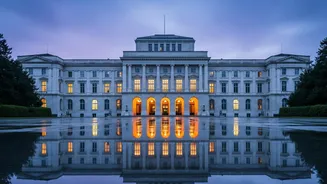
In early August 2026, the sprawling grounds of the Palais des Nations, home to the UN Office at Geneva (UNOG), welcomed five new inhabitants. A delegation from India, led by its Permanent Representative Arindam Bagchi, formally presented the birds to UNOG Director-General
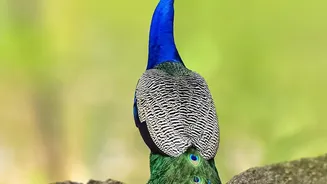
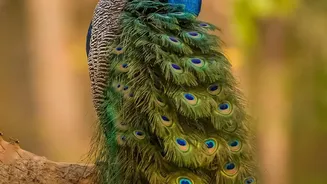
Tatiana Valovaya. The gift consisted of four classic blue Indian peafowl and one rare white-feathered male. The striking blue-and-white flock was noted by many, including the Director-General, for thoughtfully echoing the official colours of the United Nations itself, adding another layer of symbolism to the occasion. Hailed as the "most dazzling" new diplomats in Geneva, the birds are a living expression of India's soft power.
A Tradition Revived
This act of avian diplomacy is not without precedent. It revives a tradition initiated in 1981, when then-Prime Minister Indira Gandhi gifted a breeding pair of peacocks from the Delhi Zoo to the UN in Geneva. However, the history of peacocks on the grounds goes back even further, predating the UN itself. The tradition began in the late 19th century when Swiss collector Gustave Revilliod bequeathed his estate, Ariana Park, to the city of Geneva with the specific condition that his beloved peacocks be allowed to roam freely forever. Over the decades, the resident peafowl population dwindled, making India's gift a timely gesture that replenishes the park's flock and renews a historic connection.
Symbol of a Nation
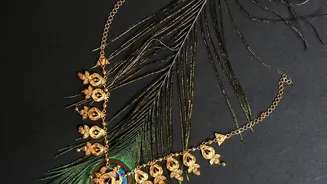
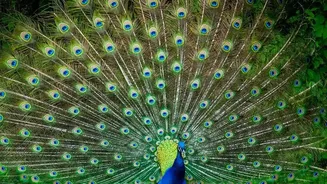
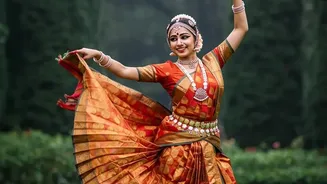
The choice of the peacock is deeply significant. As India's national bird since 1963, the peacock, or Mayura, is woven into the very fabric of the nation's culture and mythology. It is a celebrated symbol of grace, beauty, and pride. In Hinduism, the bird is revered as the vehicle of Kartikeya, the god of war, signifying protection and courage. It is also famously associated with Lord Krishna, who wears its feathers in his crown. Across various faiths and tribal cultures in India, the peacock represents divinity, compassion, integrity, and prosperity, with many believing its feathers bring good luck. Gifting these birds is akin to sharing a piece of India's soul.
Feathers of Friendship and Peace
Beyond its cultural weight, the gift is a powerful statement of India's commitment to multilateralism and its partnership with the United Nations. In diplomacy, such gestures of 'soft power' are used to foster goodwill and mutual respect, strengthening relationships beyond formal treaties and agreements. The Indian Mission to the UN noted that the peacock represents the nation's dedication to biodiversity and environmental stewardship. By adding to the biodiversity of the UN campus, India reinforces its image as a guardian of natural heritage. The arrival of the birds was celebrated as a vibrant addition to the international community in Geneva, a living symbol of India's enduring friendship.
A New Home in Ariana Park
The five peacocks will not be confined for long. For their first three months, they will acclimate to their new environment within a specially prepared temporary aviary in the 46-hectare Ariana Park. The care of these birds will be overseen by staff from the Geneva Bioparc, who ensured their safe transport in a specially modified veterinary ambulance. After this initial period, they will be allowed to roam freely across the historic park, joining the other peacocks that have witnessed decades of diplomatic history. UN officials have even floated the idea of a public competition to name the five new arrivals, further integrating them into the life of the city and the UN community.