


The Universe's Building Blocks
Interstellar dust may only account for about 1% of the visible matter in our galaxy, but its importance is enormous. These tiny particles, sometimes smaller than a virus, are the seeds from which planets grow and the shields that protect complex molecules
in space. They play a critical role in cooling molecular clouds, which allows them to collapse and form new stars. However, many details about the composition, evolution, and behaviour of the smallest dust grains remain a mystery, largely because they are difficult to observe with traditional telescopes. Understanding this dust is key to understanding how galaxies, stars, and planetary systems—including our own—come to be.
NASA's PUFFINS Mission Takes Flight
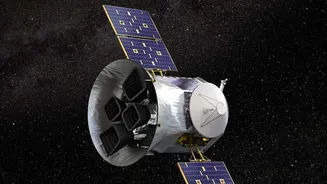
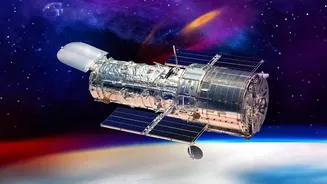
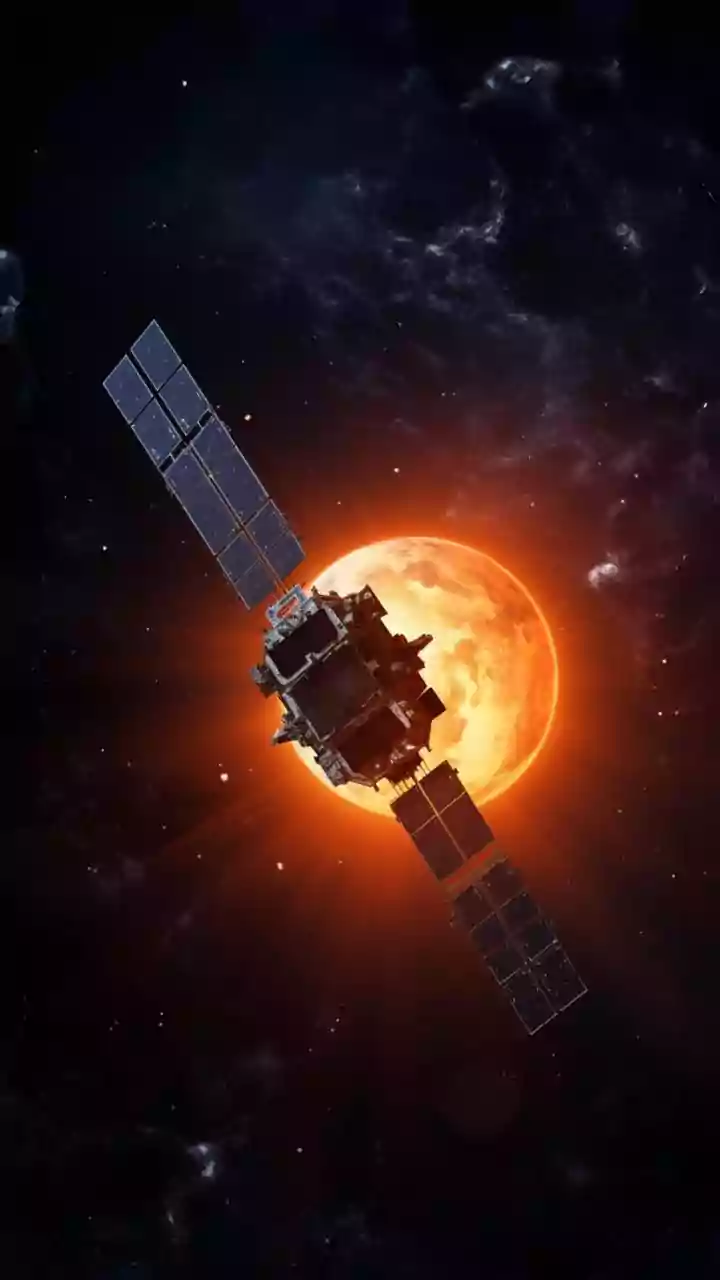
To get a better look at this elusive material, NASA is funding a $20 million mission called PUFFINS, which is led by a team at the University of Arizona's Steward Observatory. The name is an acronym for Polarimetry in the Ultraviolet to Find Features in Interstellar Dust. The mission involves a small satellite, or SmallSat, carrying a specialized 10-inch telescope. From low-Earth orbit, PUFFINS will observe the ultraviolet light from approximately 70 distant stars to see how it has been altered by the interstellar dust it passed through on its way to us. The mission is expected to launch around 2030.
A New Perspective on Starlight
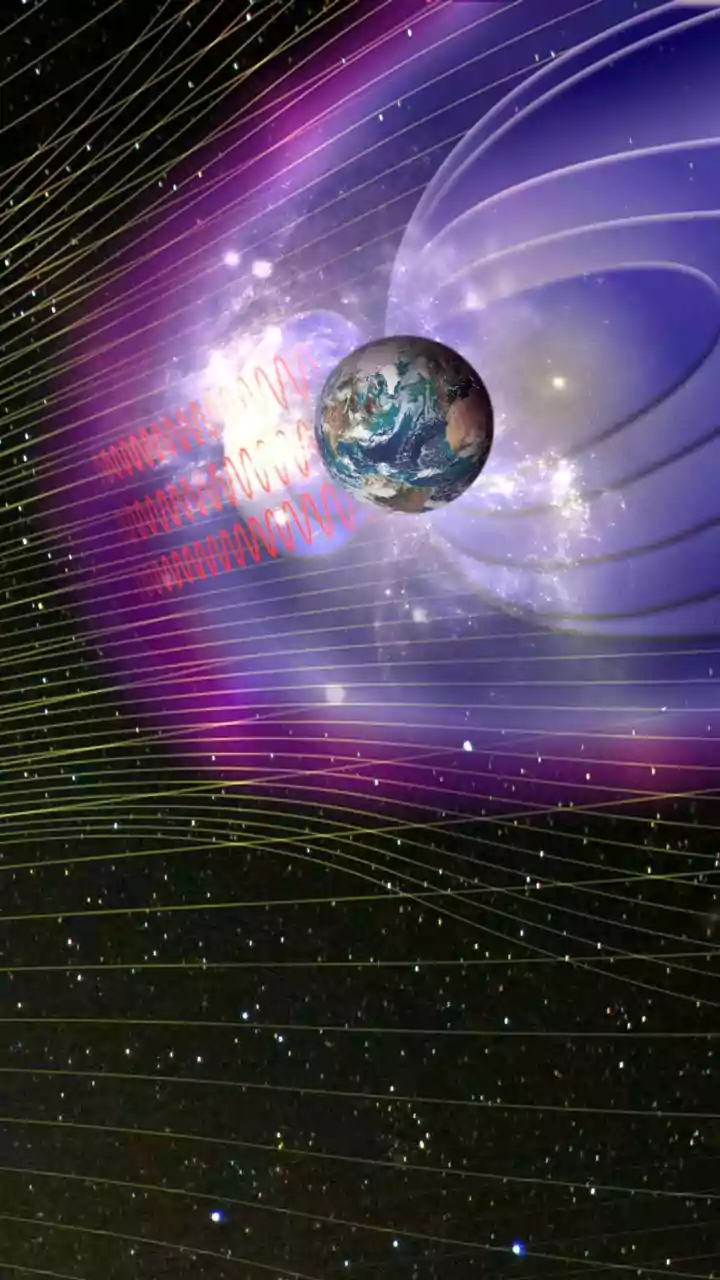
PUFFINS will employ a technique called ultraviolet spectropolarimetry, which hasn't been used in space for nearly three decades. This method measures the polarization of light—essentially the orientation of the light waves. Certain types of interstellar dust grains align with the galaxy's magnetic field, acting like a cosmic polarizing filter for the starlight that passes through them. By analyzing changes in the UV light's polarization, scientists can deduce new details about what the smallest dust grains are made of and how they behave. This provides a unique window into environments that are otherwise invisible to optical and infrared telescopes.
University of Arizona's Leading Role
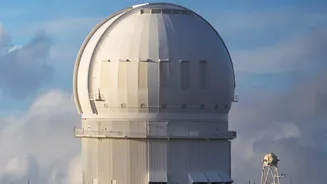
The fact that PUFFINS is led by the University of Arizona is no coincidence. The institution's Steward Observatory is a major hub for astronomical research, involved in a wide range of projects studying star formation and the interstellar medium. This mission is the second Astrophysics Pioneers project led by the university, a NASA program designed to fund compelling but smaller-scale space missions. This leadership demonstrates the university's central role in developing the next generation of astronomical tools and training early-career scientists. The PUFFINS team, for instance, is a collaboration between the university, the McDonald Observatory, and a global network of researchers.
Piecing Together the Cosmic Puzzle
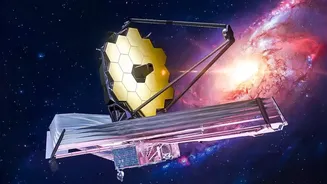
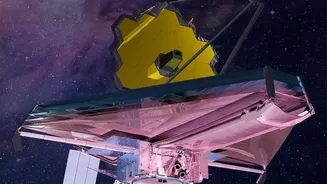
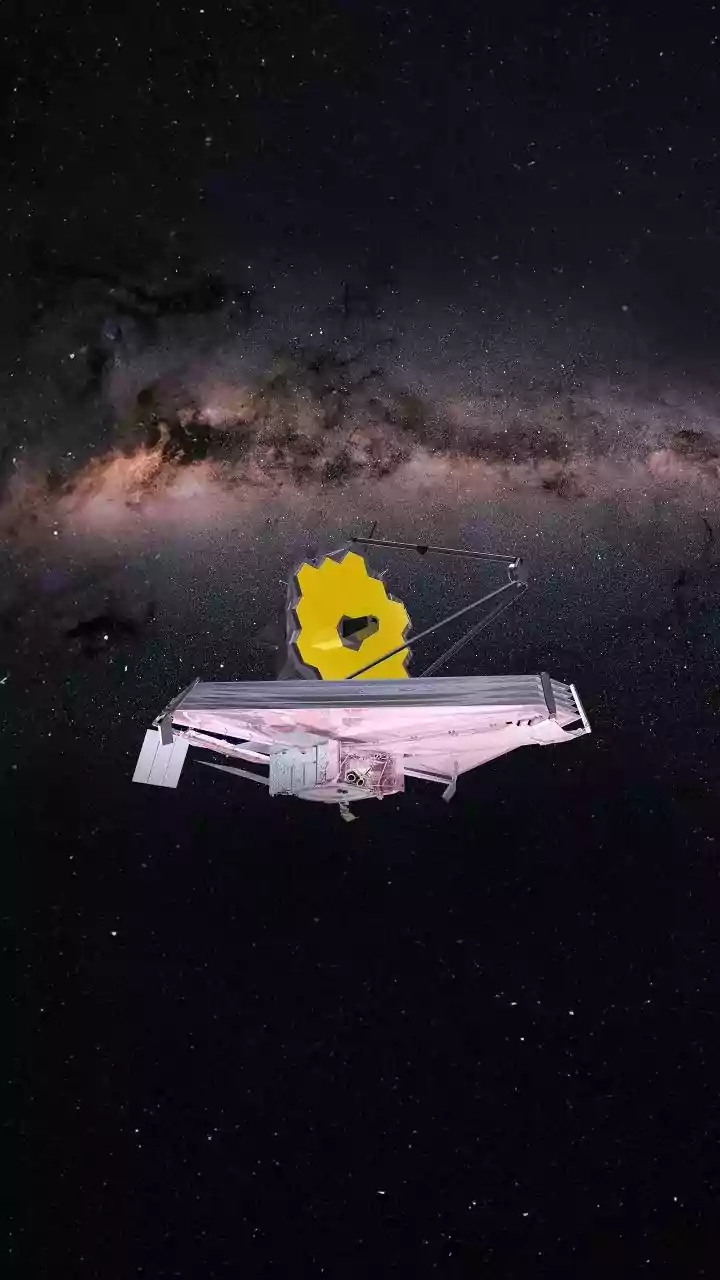
While PUFFINS offers a novel approach by focusing on UV polarimetry, it is part of a much larger scientific effort. The University of Arizona's researchers are also deeply involved in other major observatories, including the James Webb Space Telescope (JWST). While PUFFINS will provide precise data on small dust grains in the UV spectrum, instruments on JWST provide unparalleled views in the infrared, allowing scientists to peer deep into the dense, dusty clouds where stars are actively being born. Together, these different observational techniques create a more complete picture. Data from ground-based telescopes further complements the space missions. By combining insights from UV, infrared, and optical astronomy, scientists can build a comprehensive model of how a diffuse cloud of dust and gas evolves into a new solar system.