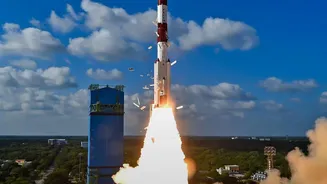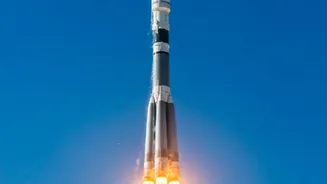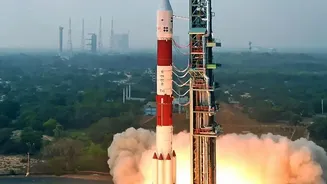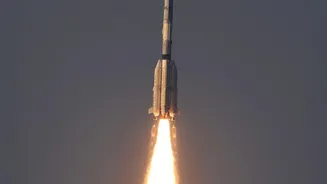


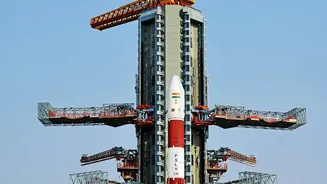
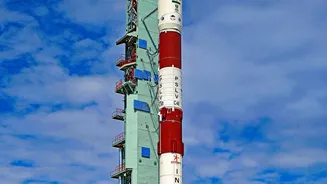
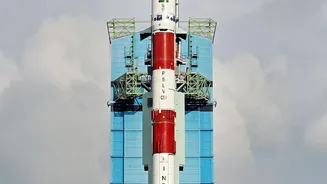
Why Rockets Are the Focus in 2026
World Space Week, observed annually from October 4 to 10, commemorates two key historical events: the launch of Sputnik 1 in 1957 and the signing of the Outer Space Treaty in 1967. For decades, space access was the exclusive domain of a few government
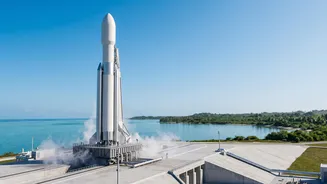
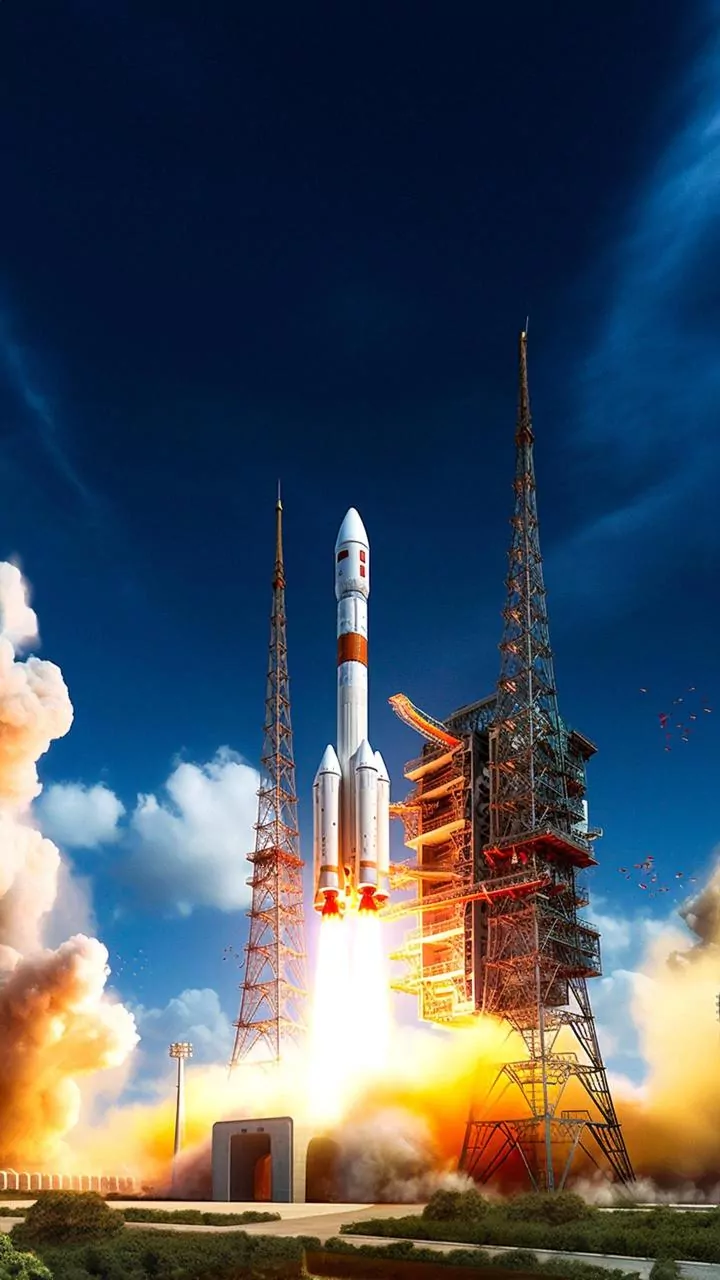
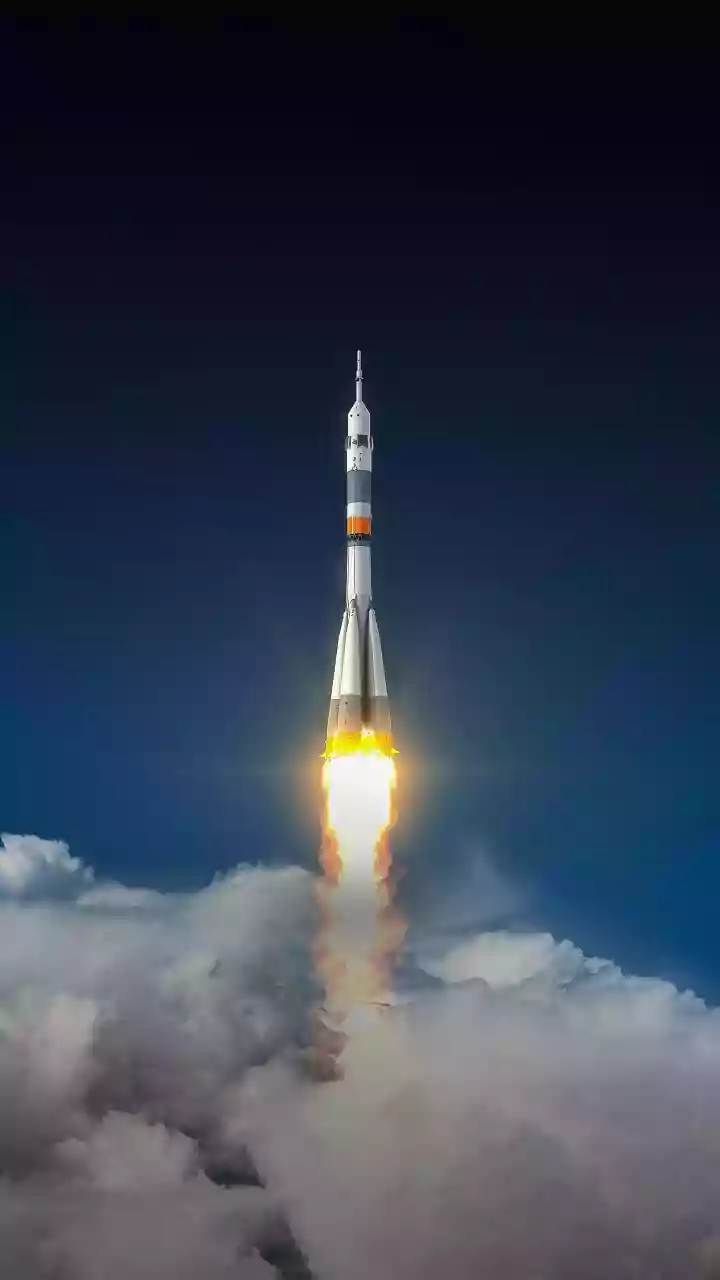
agencies with enormous budgets, using rockets designed to fly only once. This year’s theme, ‘Rocket Revolution’, zeroes in on the dramatic transformation of that model. The focus is on how reusable rockets, private launch companies, and new manufacturing techniques are fundamentally changing the economics and frequency of spaceflight, opening orbit to a wider range of countries, companies, and even universities.
The Reusability Game-Changer
The core of this revolution is reusability. Pioneered and popularized by commercial companies, the ability to land and relaunch the most expensive parts of a rocket has slashed the cost of reaching orbit. What once cost tens of thousands of dollars per kilogram to launch can now be done for less than $2,000, a reduction of over 90 percent. This isn't just an incremental improvement; it's a structural disruption to the entire space industry. With lower costs, launch frequency has soared, enabling the rapid deployment of massive satellite constellations for communications and Earth observation, and making once-fantastical projects like permanent lunar bases seem achievable.
India's Growing Role in the New Space Race
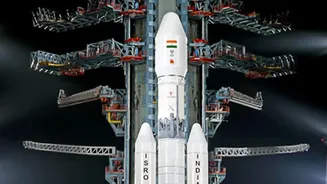
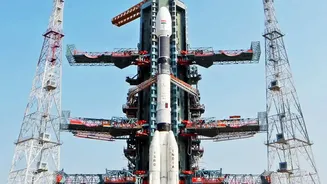
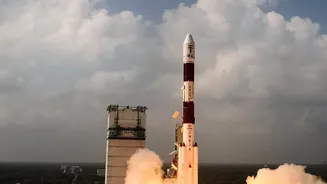
This global shift has catalysed a boom in India’s private space sector. For years, the Indian space story was synonymous with ISRO. Today, the landscape is buzzing with over 400 registered space startups. Following reforms to open the sector, companies like Skyroot Aerospace and Agnikul Cosmos are developing their own launch vehicles, often using advanced techniques like 3D printing to create entire engines in a matter of days. While ISRO remains the sector's anchor, IN-SPACe, the government's single-window agency, has been crucial in granting authorisations and facilitating access to testing facilities, helping these private players move from the drawing board to the launchpad.
What Cheaper Space Access Unlocks on Earth
The rocket revolution’s biggest impact may be felt right here on the ground. Cheaper, more frequent launches mean more satellites, which translates into tangible benefits for everyday life. These include more reliable and widespread satellite internet, especially for remote areas; more detailed data for climate monitoring and disaster response; and improved navigation services. This new industrial wave is also creating high-value jobs and attracting significant investment. In 2026 alone, India's private space sector has attracted millions in funding, signalling strong confidence in its future. The revolution isn't just about exploring space; it's about leveraging space to solve problems on Earth.