




1. Deep-Fried and Oily Foods
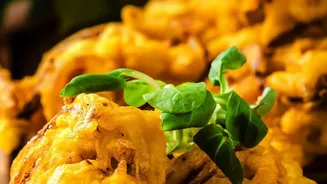
The temptation to grab a plate of hot puris, pakoras, or chole bhature is strong. However, these deep-fried delights are heavy and can be hard for your rested digestive system to handle. After days of light, sattvic food, a sudden overload of fat can slow
down digestion, leading to uncomfortable bloating, heaviness, and acidity. Instead of making them your first meal, introduce fried items in small portions a day or two after breaking your fast.
2. Refined Sugar and Heavy Sweets
Festive mithai is an integral part of any celebration, but it's wise to be cautious. Your body's metabolism has adapted to a different eating pattern during the fast. Introducing a large amount of refined sugar all at once can cause a sharp spike in your blood sugar levels, leaving you feeling energetic for a moment, then sluggish and tired. Opt for natural sugars from fruits or have just a small piece of your favourite sweet to begin with.
3. Overly Spicy and Masala-Rich Dishes
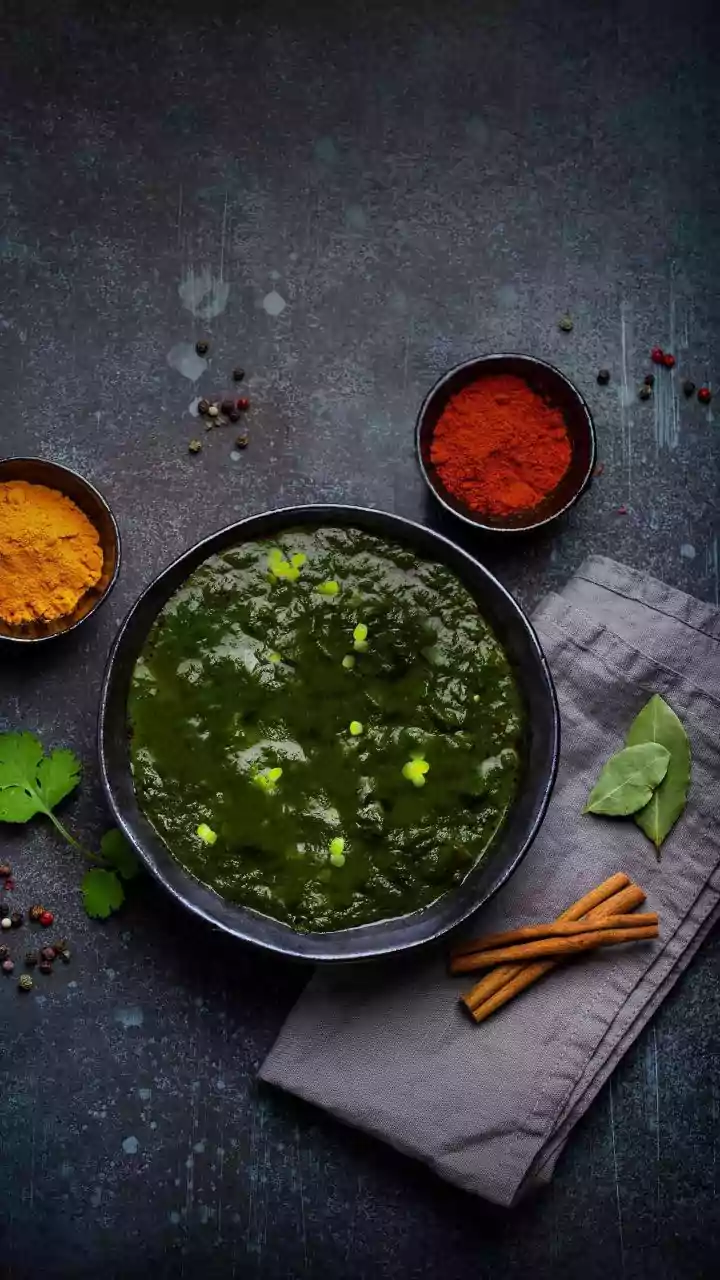
During Navratri, meals are typically simple and prepared without onion, garlic, or heavy spices. Your stomach lining can become more sensitive during this period. Jumping straight back into dishes rich with complex masalas and high spice levels can irritate the gut, potentially causing acidity and a burning sensation. Reintroduce spices gradually, starting with milder curries before moving on to more robust flavours.
4. Large Portions of Grains and Legumes
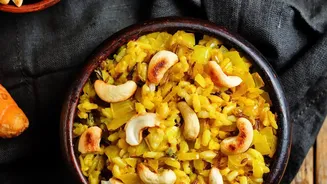
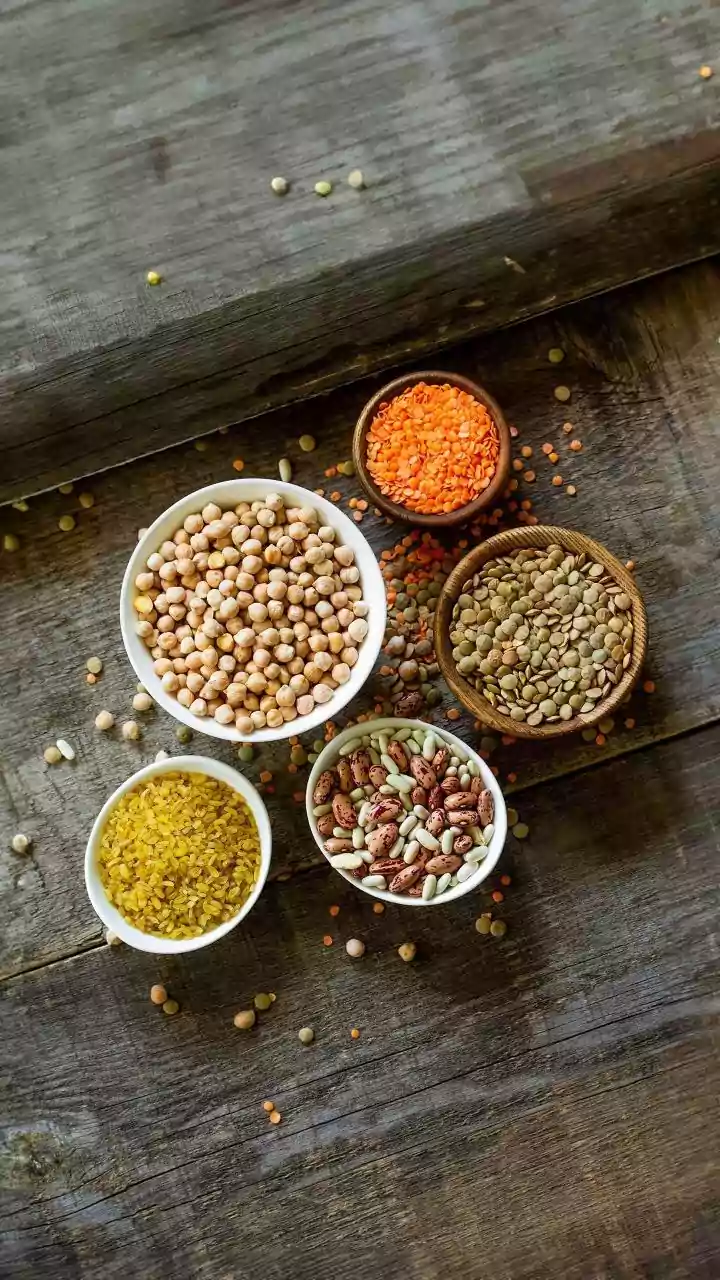
While you may have missed your daily dal and roti, it’s best not to overdo it on day one. Grains and legumes are high in fibre. A sudden, large intake can be difficult for your gut to process after a fast, leading to gas and bloating. Start with lighter, easy-to-digest options like khichdi made with rice and moong dal, which is nourishing without being too heavy on the stomach.
5. Heavy Dairy Products
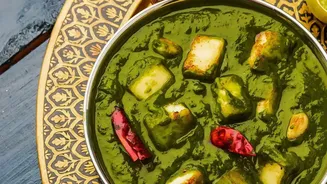
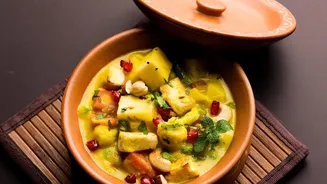
While curd and milk are often part of the fasting diet, richer dairy products like heavy cream, full-fat paneer in rich gravies, and cheese-laden dishes should be approached with caution. These are high in fat and can be difficult to digest right after a fast. Lighter options like buttermilk (chaas) or a simple homemade paneer preparation are better choices as you ease your system back into its regular routine.
6. Caffeinated Beverages on an Empty Stomach
If you gave up your daily cup of coffee or strong tea during the fast, reintroduce it slowly. Drinking strong caffeine on an empty stomach first thing after breaking a fast can increase stomach acidity and cause discomfort or jitters. It's better to have your first cup after a small, light meal. Consider starting with a milder tea or a weaker cup of coffee to see how your body responds.
7. Processed and Packaged Foods
After a period of eating fresh, home-cooked sattvic meals, your body has had a break from preservatives, artificial flavours, and high levels of sodium found in packaged snacks and ready-to-eat meals. Keep the cleansing benefits going for a little longer by sticking to fresh, wholesome foods. Your digestive system will thank you for the gentle and mindful reintroduction to your regular diet.