

The Significance of Sawan Fasting
The month of Sawan, or Shravan, is one of the most auspicious times in the Hindu calendar, dedicated entirely to the worship of Lord Shiva. Devotees observe various rituals, with many undertaking fasts, especially on Mondays (Somwar), to seek divine blessings
for peace, prosperity, and well-being. These fasts involve adhering to a 'satvik' diet, which means avoiding grains, lentils, non-vegetarian food, onions, and garlic. The focus shifts to pure, light, and easily digestible foods that help purify the body and mind, strengthening one's spiritual connection.
Why Potatoes Are a Fasting Staple
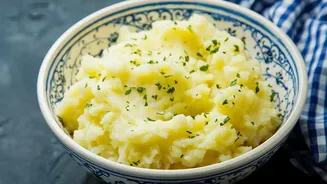
During fasts like those in Sawan, the potato becomes an indispensable ingredient. It is considered a permissible vegetable and is incredibly versatile. Rich in carbohydrates, potatoes provide sustained energy, which is crucial when abstaining from regular meals. They can be adapted for savoury dishes like Vratwale Aloo or transformed into a satisfying sweet. This adaptability, combined with their ability to be filling, makes potatoes a go-to choice for those observing fasts, ensuring they remain energised throughout the day.
A Simple and Soulful Sweet
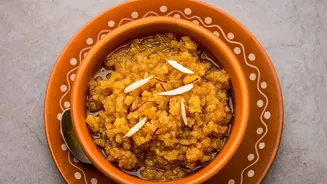
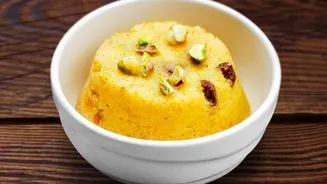
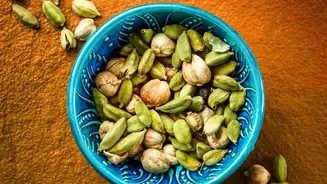
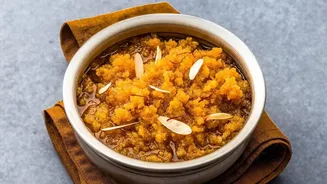
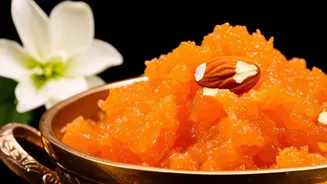
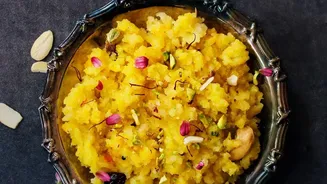
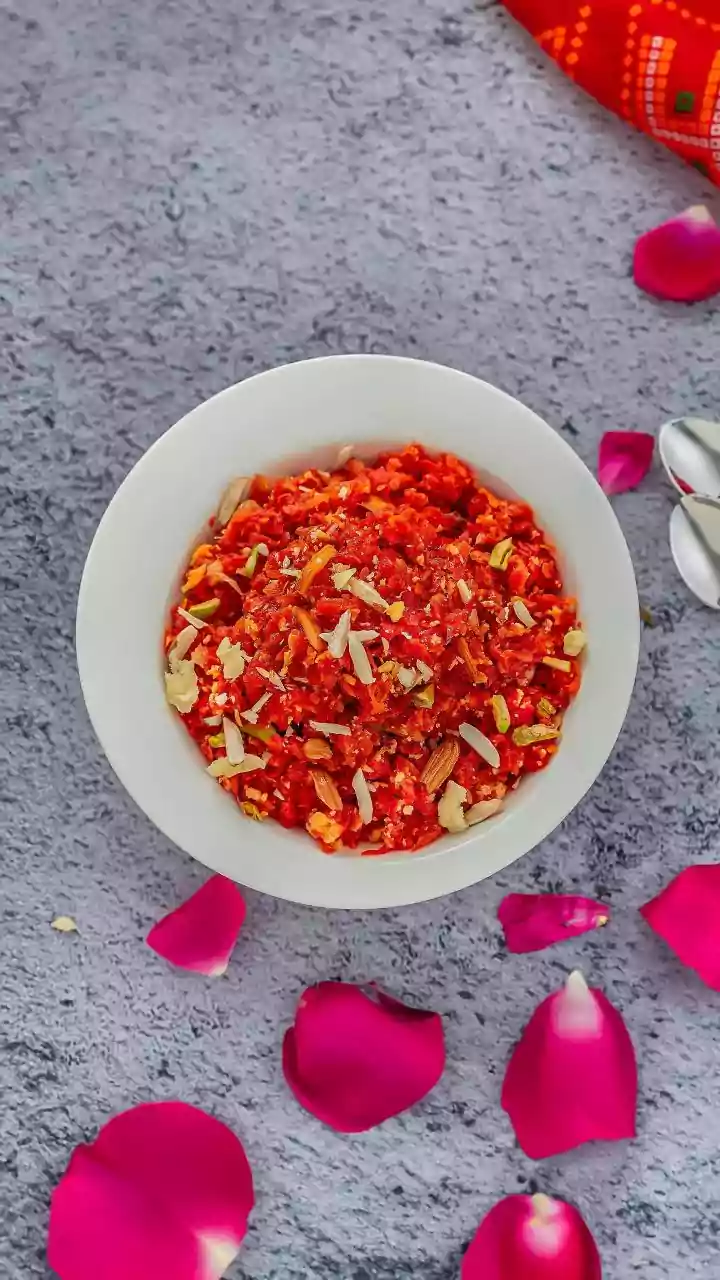
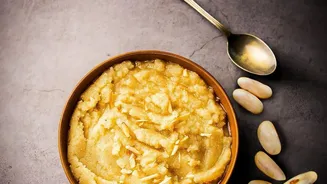
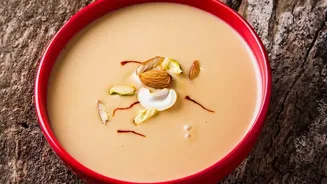
Aloo Halwa, a traditional sweet particularly popular in Uttar Pradesh, is a perfect dessert for fasting occasions. Made with just a few core ingredients—boiled potatoes, ghee, sugar, and flavourings like cardamom—it is surprisingly simple yet incredibly delicious. The process involves roasting grated or mashed potatoes in ghee until they release a rich aroma, then cooking them with sugar until the mixture thickens into a glossy, melt-in-your-mouth delicacy. The result is a warm, comforting halwa that satisfies sweet cravings without being overly heavy, making it an ideal treat to conclude a fasting day meal.
How to Prepare Aloo Halwa
Making this delightful halwa is straightforward. Start with about 500g of boiled, peeled, and grated potatoes. Grating is often preferred over mashing to ensure a smooth, lump-free texture. In a heavy-bottomed pan, heat a few tablespoons of pure ghee and add the grated potatoes. Roast them on a medium flame for about 8 to 12 minutes, stirring continuously until the raw smell disappears and the potatoes become fragrant. Next, add sugar to taste (about half a cup is standard) and continue to cook. The mixture will loosen as the sugar melts before it starts to thicken again. At this stage, you can add saffron-infused milk and cardamom powder for flavour and a beautiful golden hue. Continue cooking until the halwa comes together and starts to leave the sides of the pan.
Tips for the Perfect Texture
To achieve the perfect Aloo Halwa, a few tips can make all the difference. Using a heavy-bottomed pan prevents the halwa from sticking and burning. Continuous stirring while roasting the potatoes is key to developing flavour and achieving an even texture. Don't rush the roasting process; this is where the halwa gets its characteristic rich taste. For an extra glossy finish and rich flavour, you can add another teaspoon of ghee towards the end of the cooking process. Finally, garnish with your favourite chopped nuts like almonds or pistachios for a delightful crunch that contrasts beautifully with the soft, smooth halwa.