


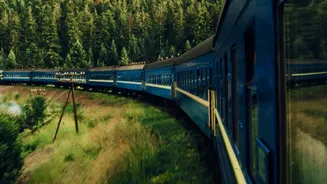
Darjeeling Himalayan Railway, West Bengal
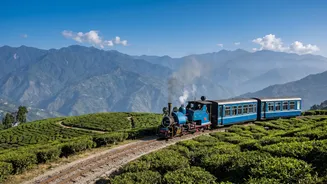
Affectionately known as the 'Toy Train', the Darjeeling Himalayan Railway is a true icon. Granted UNESCO World Heritage status in 1999, this narrow-gauge railway has been charming travellers since 1881. The 88-kilometre journey from New Jalpaiguri to
Darjeeling is an engineering marvel, climbing over 2,000 metres into the Himalayas. The train uses a series of ingenious loops and zig-zags to navigate the steep terrain, including the famous Batasia Loop, which offers a stunning panoramic view of Darjeeling and Mount Kanchenjunga. A ride on this train, whether a short 'joyride' from Darjeeling to Ghum or the full route, is a slow-paced, nostalgic experience through tea gardens and bustling hillside towns.
Kalka-Shimla Railway, Himachal Pradesh
Built in 1903 to connect Shimla, the summer capital of British India, with the plains, this railway is another UNESCO World Heritage site. The journey covers 96 kilometres from Kalka to Shimla, navigating a staggering 919 curves, 864 bridges, and 102 tunnels. It's a testament to the engineering prowess of its time, designed to make the arduous journey to the cool hills more accessible for the colonial administration. The train moves at a leisurely pace, allowing passengers to soak in the incredible views of the Shivalik hills and quaint villages. The Barog station, with its legend-shrouded tunnel, is a particularly noteworthy stop on this picturesque route.
Nilgiri Mountain Railway, Tamil Nadu
Running from Mettupalayam to the popular hill station of Ooty (Udagamandalam), this railway is unique in India. Opened in 1908, it is the country's only rack and pinion railway, a technology used to climb the steepest slopes in Asia. The 46-kilometre journey ascends through the beautiful Nilgiri Hills, passing through 16 tunnels and over 250 bridges. For part of its journey, the train is pushed by a vintage steam locomotive, adding to the historic charm. Recognized as a UNESCO World Heritage site in 2005, the 'Ooty Toy Train' offers a fairytale ride through verdant forests and misty mountains, making it a highlight for any visitor to the region.
Matheran Hill Railway, Maharashtra
The only heritage railway in the Western Ghats, the Matheran Hill Railway connects Neral to the eco-sensitive hill station of Matheran, where vehicles are banned. This narrow-gauge line, completed in 1907, snakes its way up the mountain over a 21-kilometre route. The journey is known for its sharp curves and a single, short tunnel aptly nicknamed the 'One Kiss Tunnel'. The train moves slowly, allowing passengers to enjoy the dense forest and scenic views. It's on the tentative list for UNESCO World Heritage status and remains a beloved mode of transport for reaching the peaceful retreat of Matheran.
Kangra Valley Railway, Himachal Pradesh
Often overshadowed by its Kalka-Shimla counterpart, the Kangra Valley Railway is a hidden gem and the longest narrow-gauge line in India. Commissioned in 1929, the 164-kilometre route connects Pathankot in Punjab to Joginder Nagar in Himachal Pradesh. Unlike other mountain railways that focus on gaining altitude through steep gradients, this line follows a longer, more winding path to minimize steepness, resulting in only two tunnels but nearly a thousand bridges. The journey offers spectacular panoramic views of the snow-capped Dhauladhar mountain range. Currently on the UNESCO tentative list, it provides a vital, subsidized service for locals and an authentic, scenic experience for travellers.