









The Anatomy of a Landmark Deal
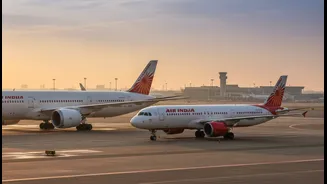
The “Group” in question is India’s Air India, now under the ownership of the Tata Group. In one of the most significant moves in aviation history, the airline placed firm orders for 470 new aircraft from both Airbus and Boeing, with options that could
take the total close to the 600 mark. This staggering number includes a mix of next-generation narrow-body jets like the Airbus A320neo family and the Boeing 737 MAX, alongside long-haul wide-body aircraft such as the Airbus A350, Boeing 787 Dreamliner, and Boeing 777X. This isn't just a shopping spree; it's a meticulously planned fleet overhaul. The deal was inked shortly after rival IndiGo also placed a historic order for 500 Airbus A320 family aircraft, cementing India's position as the epicentre of aviation's future growth.
More Than Just Growth
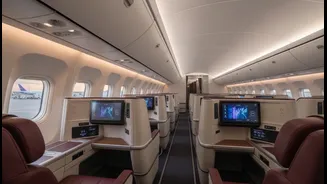
While expansion is a key driver, the strategy is twofold: renewal and efficiency. A large portion of Air India’s existing fleet has been in service for years. These new aircraft are significantly more fuel-efficient, which is critical in an industry where fuel is a major operational cost. The A320neo and 737 MAX, for instance, offer double-digit percentage improvements in fuel burn and CO2 emissions compared to their predecessors. This modernization directly translates to lower operating costs, enhanced reliability, and a smaller carbon footprint. For passengers, a younger fleet means a better experience, with modern cabin interiors, advanced in-flight entertainment, and a more comfortable journey. It's a foundational step in Air India's transformation from a legacy carrier into a world-class airline.
Fueling a Global Ambition
The mix of aircraft is a clear giveaway of the airline’s long-term capacity ambition. The narrow-body jets will solidify its dominance in the booming domestic Indian market and on short-haul international routes. However, the significant investment in wide-body A350s, 787s, and 777Xs is the real game-changer. These aircraft are designed for long-haul and ultra-long-haul routes, enabling Air India to compete aggressively with established Middle Eastern and Southeast Asian carriers. The goal is to transform India's major airports into global transit hubs, directly connecting cities in India to destinations across Europe, North America, and Australia without the need for a stopover in Dubai, Doha, or Singapore. This ambitious fleet expansion is a direct challenge to the status quo of global air travel.
Betting on a Sky-High Trajectory
This enormous capital outlay is fundamentally a bet on India's economic future. The country is projected to be the world's fastest-growing major aviation market over the next decade. A rising middle class with increasing disposable income, coupled with government initiatives to improve regional connectivity, is creating an unprecedented surge in demand for air travel. Airlines are simply responding to this reality. With deliveries stretching well into the next decade, these orders provide a predictable pipeline of modern aircraft to meet this future demand. Air India expects to receive 50 to 60 new aircraft every year for the next seven to eight years, a pace that underscores the urgency and scale of their growth plan.
Navigating the Potential Turbulence
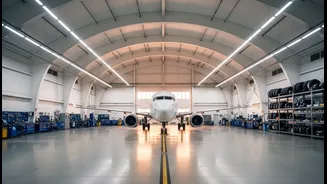
An order of this magnitude is not without significant risks. The aviation industry is notoriously cyclical and sensitive to geopolitical shocks, oil price volatility, and economic downturns. Furthermore, expanding the fleet is only half the battle. The airline group must recruit and train tens of thousands of pilots, cabin crew, and maintenance engineers. Airport infrastructure, from runways to terminals, must also keep pace to avoid crippling congestion. Supply chain issues and delays from aircraft manufacturers are also a persistent concern in the current environment. Successfully navigating these challenges will be just as crucial as securing the aircraft themselves.