




The Once-in-a-Dozen-Years Wonder
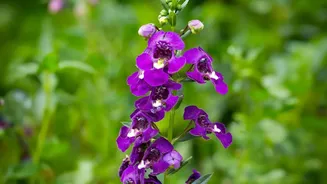
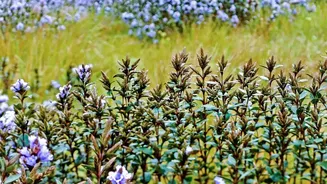
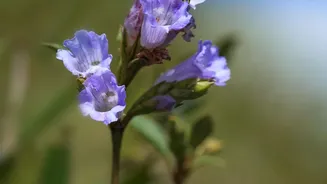
Neelakurinji, or Strobilanthes kunthiana, is a shrub endemic to the Shola forests of the Western Ghats in Kerala, Tamil Nadu and Karnataka. Its name is a combination of 'Neela', meaning blue, and 'Kurinji', the local name for the flower. What makes this
plant extraordinary is its synchronised flowering cycle. It is a monocarpic plant, meaning it flowers only once in its lifetime, reproduces, and then dies. This mass blooming, known as gregarious flowering, happens just once every 12 years. This unique survival strategy allows the plant to overwhelm predators and ensure enough seeds survive to begin the next 12-year cycle. The phenomenon is so consistent that the local Paliyan tribal community has historically used it to calculate their age.
When and Where to See the Bloom
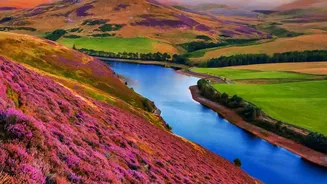
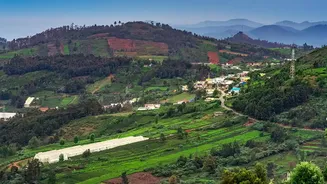
The last major mass blooming occurred in 2018, making the next grand spectacle anticipated in 2030. However, you don't always have to wait 12 years. There are over 40 varieties of Kurinji, with some blooming at different intervals. Excitingly, a bloom of the 12-year Strobilanthes kunthiana is expected between September and October 2026 across several unprotected hills in Munnar, including Chokramudy, Meeshapulimala, and Sevenmalai. A bloom has also been reported around Gudalur in the Nilgiris in July 2026. Key locations to witness this marvel are generally within the higher altitudes of the Western Ghats, particularly Eravikulam National Park in Munnar, which is a protected habitat.
New Rules and Hefty Fines
The growing popularity of the Neelakurinji has led to significant threats from unregulated tourism, habitat destruction, and visitors plucking the flowers. To combat this, the Ministry of Environment, Forest and Climate Change has listed Neelakurinji under Schedule III of the Wildlife (Protection) Act, 1972. This makes destroying or uprooting the plant a serious offence. Anyone caught harming the plant faces a hefty fine of up to ₹25,000 and imprisonment for up to three years. Plucking even a single flower is prohibited because it prevents the plant from seeding, thereby jeopardising the next generation of this rare species.
A Guide to Responsible Viewing
Witnessing the Neelakurinji bloom is a privilege that comes with responsibility. Forest departments in both Kerala and Tamil Nadu have issued strict guidelines for visitors. The primary rule is simple: look, but do not touch. Do not pluck the flowers or damage the shrubs in any way. Stick to designated pathways to avoid trampling the plants and surrounding vegetation. These areas are strictly no-plastic zones, so be prepared to carry any waste back with you. Furthermore, many of these blooming sites are in ecologically sensitive areas that are also elephant corridors. Always follow the instructions of forest officials to ensure your safety and the protection of local wildlife. Some areas may require booking a slot through official channels, like a mobile app, to manage the tourist influx.
Why This Conservation Matters
Protecting the Neelakurinji is about more than just preserving a beautiful flower. The plant plays a vital role in its ecosystem. Its dense root system helps prevent soil erosion on the steep slopes of the grasslands. The mass flowering supports a variety of pollinators. By ensuring these habitats remain undisturbed, we protect the entire biodiversity of the Shola forests. Unregulated tourism, infrastructure development, and improper fire management all pose significant risks to the plant's survival. Conservation efforts, like the creation of the Kurinjimala Sanctuary in Idukki, are crucial for its long-term protection. As a visitor, your mindful behaviour is a direct contribution to preserving this natural wonder for future generations to cherish.