


The Main Event: A Planetary Parade
September is a fantastic month for planet-spotting, and you don’t need any special equipment to join the show. Throughout the month, look to the western sky just after sunset for the dazzlingly bright Venus. It reaches its peak brightness for the year
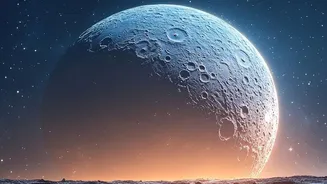
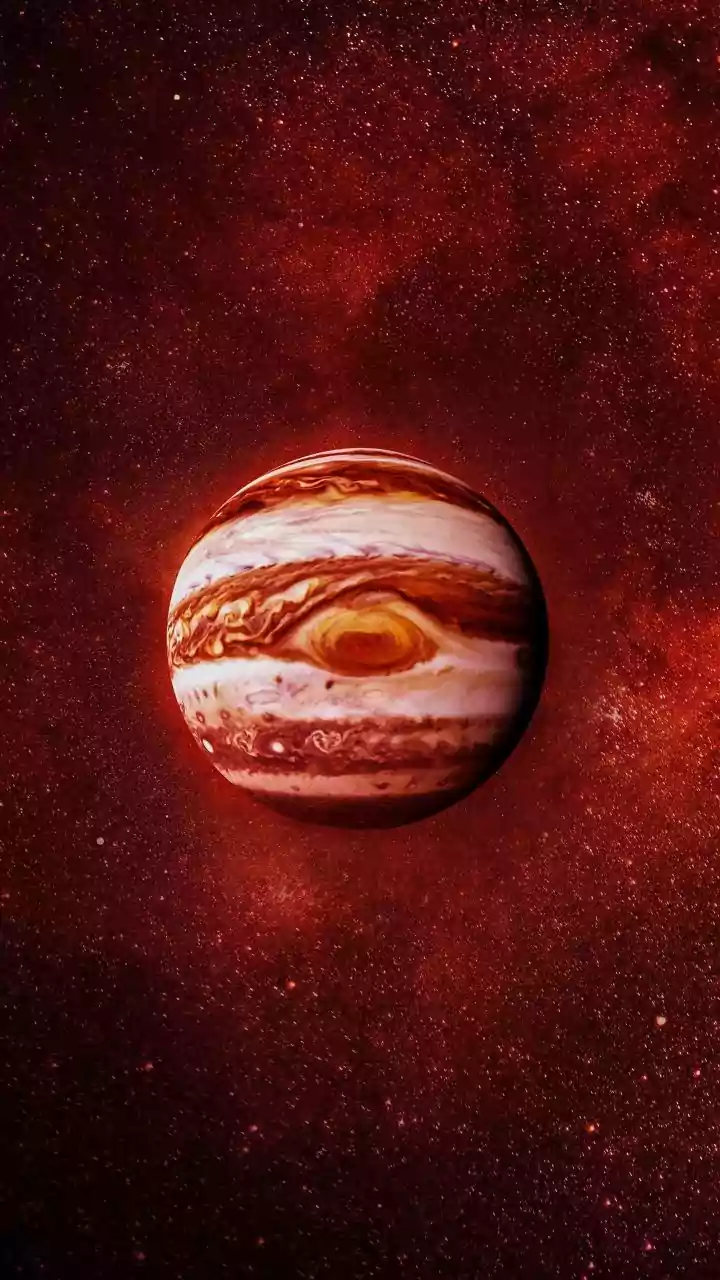
this month, making it an unmissable beacon during twilight. Meanwhile, rising in the east shortly after the sun goes down is the golden-hued Saturn, which will be visible for most of the night. If you have a pair of binoculars or a small telescope, you might even be able to spot its famous rings. For the early risers, the pre-dawn eastern sky is dominated by the brilliant, white light of Jupiter. On the morning of September 8th, the planet will have a close encounter with a thin crescent Moon, creating a beautiful pairing to start your day.
The Harvest Moon and Autumn's Arrival
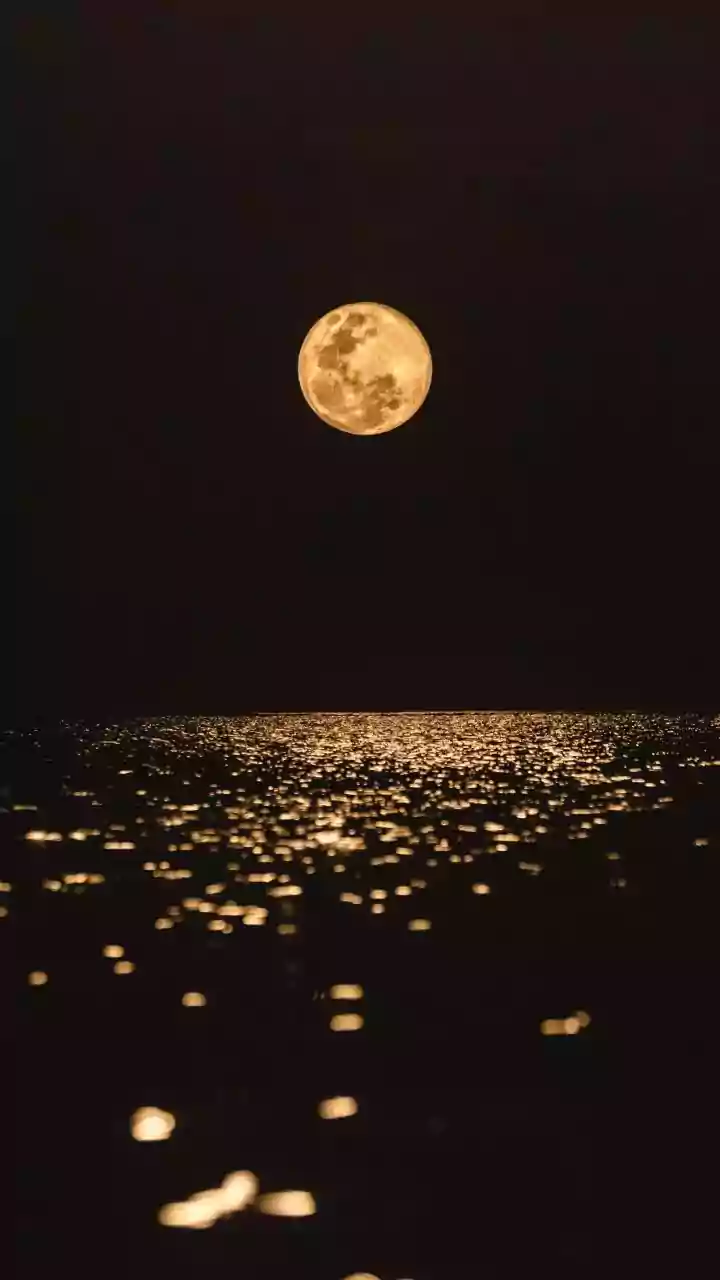
September brings two of the year’s most significant celestial milestones. First is the autumnal equinox, which falls on September 22nd or 23rd depending on your time zone. This event marks the official start of autumn in the Northern Hemisphere, when day and night are of nearly equal length across the globe. Just a few nights later, on September 26th, the sky will be lit by the full Harvest Moon. This is the name given to the full moon that occurs closest to the autumnal equinox. Traditionally, its bright light, which rises near sunset for several evenings in a row, helped farmers gather their crops late into the evening. Look for it to rise in the east around sunset, glowing with a beautiful orange-yellow hue.
A Sprinkle of Shooting Stars
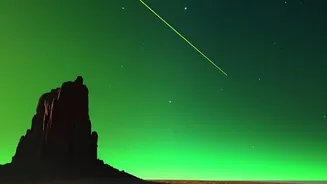
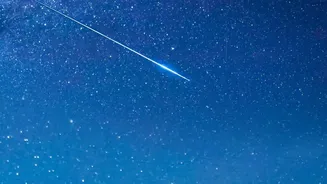
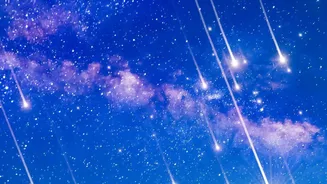
While not as dramatic as the famous August Perseids, September offers its own meteor shower. The September Epsilon Perseids are active from September 5th to the 21st, with a peak on the night of September 9th. Under ideal conditions, you might see around 5 to 8 meteors per hour. What makes this year special is that the peak coincides with the days just before the new moon, meaning the skies will be exceptionally dark and perfect for viewing. These meteors are known for being fast and can sometimes appear green. For your best chance to see one, find a dark location away from city lights, lie back, and look up towards the constellation Perseus. No equipment is needed, just a bit of patience.
Navigating September's Constellations
As the Earth turns, our window to the cosmos changes. September is a great time to get acquainted with the star patterns of autumn. High overhead, you can still find the Summer Triangle, formed by the bright stars Vega, Deneb, and Altair, but it is beginning to shift westward. Taking its place in the eastern sky is the Great Square of Pegasus, an easily recognizable boxy shape that ushers in the autumn constellations. Look also for the distinctive 'W' shape of Cassiopeia, a queen in Greek mythology, which is climbing higher in the northeast. To get your bearings, consider using a stargazing app on your phone. These apps use your location to create a map of the sky, helping you identify planets, stars, and constellations with ease.