




October to November: Post-Monsoon Perfection
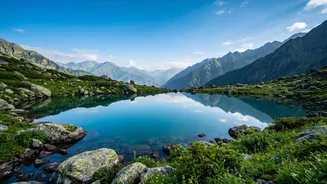
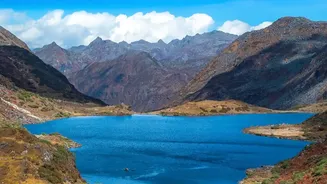
For many photographers, the brief window after the monsoon is the absolute best time to visit. The rains have washed the air clean, leaving behind crisp, clear skies and incredibly low humidity. This is the season for deep blue skies reflecting perfectly
in the calm waters of lakes like those around Sela Pass and the high-altitude lakes of Sikkim. The visibility is at its peak, offering sharp, panoramic views of the surrounding Himalayan peaks. The landscape is still a vibrant, lush green from the recent rains, creating a beautiful contrast against the blue water and sky. This period is ideal for classic landscape photography where clarity and colour are paramount.
December to February: The Serene Winter Freeze
If your goal is to capture a more dramatic, minimalist, or even ethereal scene, the winter months are your prime opportunity. This is when high-altitude lakes like Sikkim's Tsomgo Lake and Gurudongmar Lake often freeze over, transforming into vast, white expanses of ice and snow. The surrounding mountains are blanketed in snow, creating a starkly beautiful, monochromatic palette. While temperatures can be harsh and road access can be challenging, the photographic rewards are immense. The light during this season is often soft and golden, especially during the early mornings and late afternoons, adding a touch of warmth to the icy landscapes. Remember that cold weather drains camera batteries quickly, so keep them warm and carry spares.
March to May: The Spring Revival
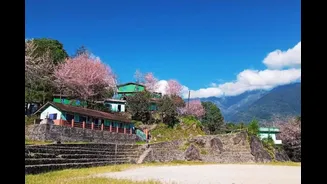
Spring brings a burst of life and colour back to the region. As the snow melts, the lakes are replenished with crystal-clear water. This season is most famous for the spectacular bloom of rhododendrons and other wildflowers, especially in the valleys of Sikkim and Arunachal Pradesh. Capturing a lake framed by hillsides covered in colourful flowers is a shot unique to this time of year. The weather is generally pleasant, with clear skies making for comfortable and accessible photography trips. This is a fantastic time for photographers who want to incorporate vibrant flora and a sense of rejuvenation into their lake compositions. Early mornings are particularly magical, often with a light mist hanging over the water before the sun fully rises.
June to September: The Moody Monsoon
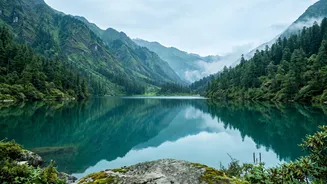
The monsoon season is often seen as a challenging time for travel in the Northeast, but for adventurous photographers, it offers unique possibilities. This is the season of mist, low-hanging clouds, and incredibly lush, green landscapes. Lakes like Umiam in Meghalaya are particularly stunning during this period, with the water levels high and the surrounding Khasi hills shrouded in dramatic, rolling fog. While clear reflections are rare, the moody atmosphere can lead to powerful, evocative images. You can capture the raw power of nature, with rain-swept surfaces and dramatic cloud-filled skies. However, be prepared for travel disruptions and protect your gear from the persistent moisture.
Special Mention: The Magic of Loktak Lake
Manipur's Loktak Lake operates on its own schedule and offers a photographic experience unlike any other in India. Famous for its 'phumdis', which are floating islands of vegetation, the best time to visit is generally between October and March when the weather is cool and pleasant. This is the prime time for boat rides to get up close to the phumdis and visit the Keibul Lamjao National Park, the world's only floating national park. Photographically, the real magic happens during sunrise and sunset. Capturing the golden light on the water's surface, with fishermen gliding between the circular phumdis, creates timeless and iconic images of the region.