

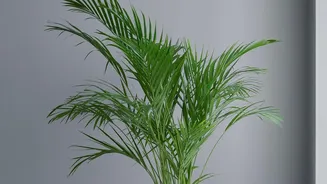

The Trend: What Is Plant Positioning?
The 'potted plant positioning trick' isn't one single hack but a collection of interior styling principles that have gone viral. At its core, it’s about intentionally grouping houseplants to create a more dramatic and cohesive look. Instead of scattering
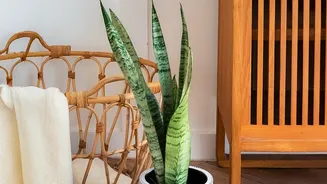
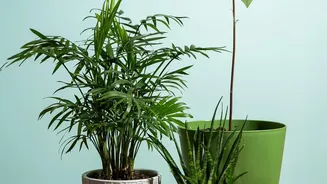
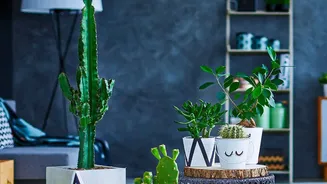
individual plants around a room, this method encourages creating 'plant vignettes'. This often involves using the 'thriller, filler, and spiller' concept, where a tall, upright plant (the thriller) is paired with a bushier one (the filler) and a trailing plant (the spiller). The goal is to play with varying heights, textures, and pot styles to craft a focal point that feels like a deliberate design choice rather than a random collection of pots. Some stylists suggest using odd numbers like three or five for a more natural, informal feel.
The Aesthetic Payoff
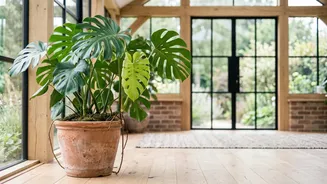
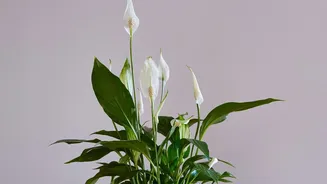
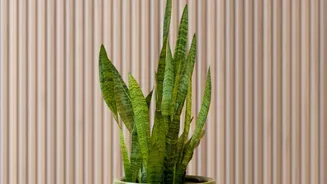
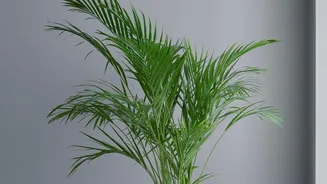
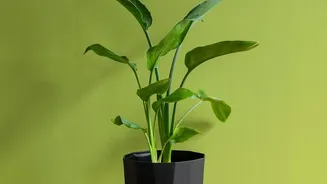
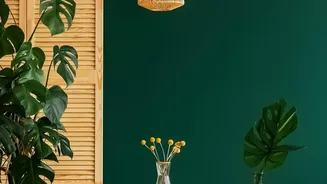
The reason this approach is so popular is simple: it works beautifully from a design perspective. Grouping plants transforms them from simple decor items into a living sculpture. This technique adds layers, depth, and texture to a room, making a corner or wall feel lush and alive. By combining plants with different leaf shapes—pairing broad, waxy leaves with delicate, feathery fronds, for instance—you create significant visual interest. A well-arranged cluster can soften hard architectural lines, fill an awkward empty corner, and make a space feel more curated and intentional. It’s a powerful way to make your green companions a central feature of your home’s style.
The Real, Practical Benefits
Beyond looking good, grouping plants has tangible benefits for their health. The most significant is increased humidity. Plants release moisture through a process called transpiration, and when they are clustered together, they create a small, humid microclimate. This is especially helpful for tropical plants like ferns and calatheas that struggle with dry indoor air from heating or air conditioning. This shared humidity can help prevent the dreaded crispy, brown leaf tips. Additionally, grouping plants with similar care needs can streamline your routine. Keeping all your moisture-loving plants in one spot makes watering more efficient and ensures no single plant gets forgotten.
Why It's Not a Cure-All
Here's the crucial caveat: no amount of artful positioning can save a plant that's in the wrong environment. The most common mistake plant owners make is prioritizing aesthetics over the plant's fundamental needs. The single most important factor for a plant's survival is light. A beautiful arrangement of sun-loving succulents in a dark, north-facing corner is doomed to fail, no matter how stylish it looks. Similarly, placing plants too close to a drafty window, a hot radiator, or an air conditioning vent can cause stress and damage. Overcrowding can also lead to poor air circulation and make it easier for pests to spread from one plant to another. Style should never trump survival.
Health First, Then Style
To successfully use the positioning trick, you must work with your home's environment, not against it. Start by assessing the light in the spot you want to fill. Is it bright and direct, or low and filtered? Then, choose plants whose needs match that specific location. Once you have a group of plants with compatible light, water, and humidity requirements, you can begin arranging them. Use risers, books, or small stools to create different levels and ensure smaller plants aren't completely shaded by larger ones. Remember to rotate your plants regularly so all sides get access to the light source. Think of it as a two-step process: first, find the right location for the plant's health; second, style the arrangement for visual appeal.