






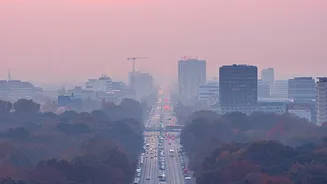

As smog blankets Delhi, that familiar, scratchy 'smog throat' returns. This persistent irritation is a clear sign that the city's air is taking a toll on our bodies. While N95 masks are a key line of defense, knowing how and when to use them is vital.
Why Smog Irritates Your Throat
When you inhale polluted air, you're breathing in a toxic cocktail of harmful gases and fine particulate matter, especially PM2.5. These microscopic particles are small enough to bypass your body's natural defenses in the nose and upper airways, travelling deep into your lungs. This triggers an inflammatory response, causing irritation, swelling, and dryness in the lining of your throat and airways. Symptoms often include a persistent dry cough, a scratchy or burning sensation, and increased mucus production as your body tries to clear the pollutants.
The N95 Advantage
Not all masks offer the same level of protection. While cloth or surgical masks may block larger dust particles, they are not effective against the tiny PM2.5 pollutants that are most harmful. An N95 mask, or respirator, is designed to filter at least 95% of airborne particles, including PM2.5. This is why health experts recommend them during periods of high pollution. Their effectiveness, however, depends entirely on a proper fit. An N95 must form a tight seal against your face to ensure that air is passing through the filter material, not leaking in around the edges.
Choosing and Wearing Your Mask Correctly
To get the full benefit of an N95 mask, follow these steps. First, ensure it's a genuine, certified product. Wash your hands before handling the mask. Place the mask under your chin with the metal nosepiece up. Pull the top strap over your head so it rests high on the back of your head, and position the bottom strap around your neck, below your ears. Do not crisscross the straps. Use your fingertips to mould the metal strip to the shape of your nose to create a tight seal. You can check the seal by placing your hands over the mask and breathing out; if you feel air leaking or your glasses fog up, the fit needs to be adjusted. Facial hair can prevent a tight seal, so a clean-shaven face is best for maximum protection.
Beyond the Mask: Soothing Your Throat
While a mask is your best defense outdoors, you can take other steps to manage throat irritation. Staying well-hydrated is crucial; drink plenty of warm water, herbal teas, or soups to keep your throat moist and help flush out irritants. Gargling with warm salt water two to three times a day can reduce inflammation and clear mucus. At home, using a humidifier can add moisture to dry indoor air, which often exacerbates throat dryness. Teas with ginger, honey, and tulsi have natural anti-inflammatory properties that can soothe a sore throat. When you return home from outside, consider rinsing your eyes, washing your hands and face, and changing your clothes to remove settled pollutants.
Know When to Consult a Doctor
For most people, a pollution_induced sore throat is a temporary irritation. However, certain symptoms should not be ignored. You should seek medical advice if your sore throat is accompanied by a high fever, difficulty swallowing, or if it persists for more than a week. More serious signs that require immediate attention include wheezing, severe shortness of breath, chest tightness, or difficulty speaking in full sentences. If you have pre_existing conditions like asthma or heart disease, be extra vigilant, as pollution can significantly worsen your symptoms. Do not self_medicate with antibiotics, as they are ineffective against viral infections or irritation caused by pollution.