


The Solo Cooking Challenge
If you live alone, you know the struggle. Recipes are typically designed to serve four or more, grocery stores favour family-sized packaging, and the effort of preparing a full meal for just yourself can feel overwhelming. This often leads to a frustrating
cycle of food waste and reliance on takeout. Studies have shown that single-person households can waste significantly more food per person than multi-person homes, simply because buying and cooking in small quantities is inefficient in a world built for families. It's not a personal failing; it's a systemic problem that requires a strategic approach to solve.
Strategy 1: Embrace the Half-Batch
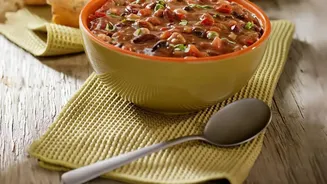
The first step is to stop thinking in family-sized portions and start embracing the half-batch. This doesn't always mean just cutting every ingredient by 50 percent—though that's a good start. For baking, it might require using smaller pans, like a loaf pan for brownies instead of a full sheet. When cooking, it means investing in smaller cookware, like a 2-quart saucepan or an 8-inch skillet, which helps with portion control. Not all recipes halve perfectly, especially those with eggs, but many do. Soups, stews, and casseroles are excellent candidates. The goal is to cook enough for one or two meals, eliminating the monotony of eating the same dish all week. Your freezer also becomes a critical tool here, allowing you to freeze single portions of larger recipes like chili or lasagna for later.
Strategy 2: Think in Components
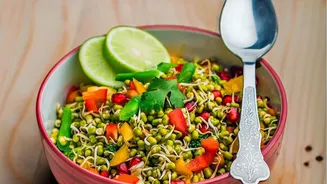
The second, and perhaps most powerful, strategy is to stop planning meal-by-meal and start thinking in terms of shared ingredients or 'components'. This is the core of ingredient-overlap planning. Instead of buying a bunch of cilantro for one taco recipe and watching the rest of it go bad, you plan a week where that cilantro also gets used in a salad dressing and a chicken marinade. This approach encourages you to prep ingredients, not just full meals. On a Sunday, you might roast a whole chicken. That one act gives you roasted chicken for dinner that night, shredded chicken for wraps the next day, and a base for chicken soup later in the week. Other great components to prep ahead include a big batch of quinoa or rice, a jar of homemade vinaigrette, or a tray of roasted vegetables. These building blocks can then be mixed and matched for quick, varied meals.
Putting the Plan into Action
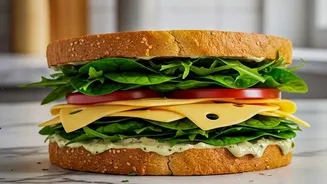
A successful plan requires a brief weekly strategy session. Before you go shopping, take stock of what you already have. Then, map out three or four main meals that use overlapping ingredients. For example, if you buy a bag of spinach, you could plan for a spinach and feta omelet, a side salad with dinner, and tossing a handful into a smoothie. This ensures that every item you buy has more than one purpose, drastically cutting down on waste. When shopping, buy loose produce whenever possible so you only get what you need. Don't be afraid to visit the deli or butcher counter to ask for a single chicken breast or a specific weight of cheese, rather than being locked into pre-packaged quantities.
Smart Storage Is Key
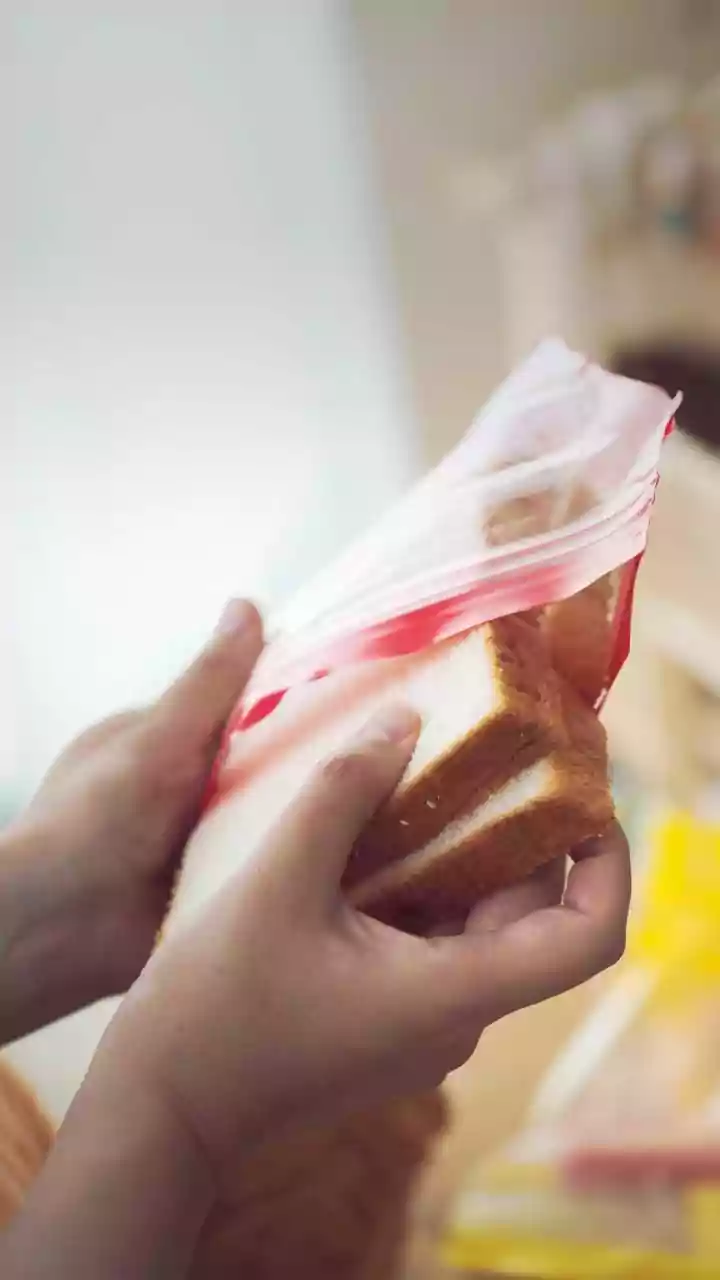
Once you’ve shopped and prepped, proper storage ensures your efforts aren't wasted. Let cooked components cool completely before refrigerating to prevent them from getting soggy. Store dressings and sauces separately from greens and grains until you're ready to assemble your meal. Label and date everything you put in the freezer so you know what you have. A good rule of thumb is to freeze anything you won't eat within three days. Cooked rice, soups, and even portions of meat freeze beautifully and provide the foundation for a fast, home-cooked meal on a busy night, saving you from the temptation of another expensive food delivery order.