

A Sudden, Alarming Shift
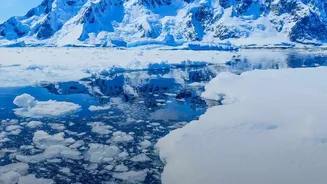
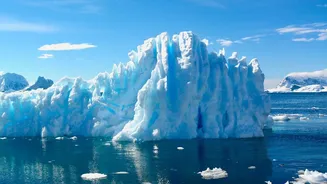
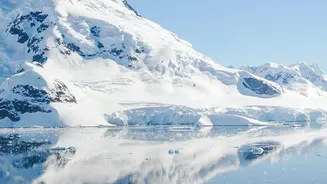
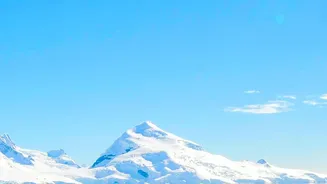
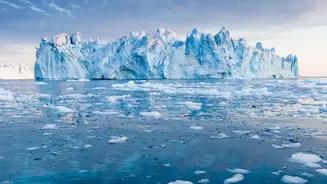
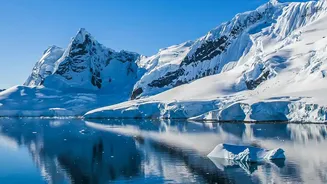
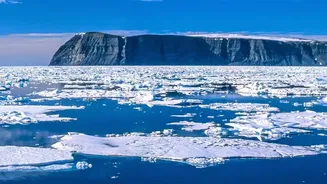
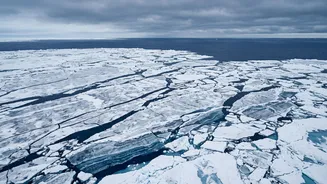
Antarctica's sea ice has hit its third-lowest winter peak on record in September 2026, marking the fourth consecutive year of historically low maximums. Scientists from the National Snow and Ice Data Center confirmed that the ice covered about one million
square kilometres less than the long-term average—an area roughly twice the size of Spain. Unlike the gradual, decades-long decline in the Arctic, this drop in the Antarctic has been sudden and dramatic, particularly since 2016. Experts believe a combination of warmer ocean water rising to the surface and changing wind patterns, linked to overall global heating, has flipped the system into a new, low-ice state. This isn't a one-off event anymore; it's a consistent pattern that suggests a fundamental change in the Antarctic climate system.
The Planet's Air Conditioner Is Weakening
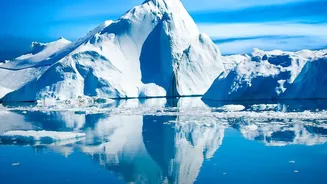
One of the most significant global consequences of diminishing sea ice is the loss of the 'albedo effect'. The bright, white surface of sea ice acts like a giant mirror, reflecting the sun's energy back into space and keeping the planet cool. As the ice vanishes, it exposes the dark ocean beneath. Dark surfaces absorb solar heat rather than reflecting it. This creates a dangerous feedback loop: the warmer the ocean gets, the more ice melts, and the more dark water is exposed, further accelerating warming. Scientists say this process is transforming Antarctica from a buffer against global warming into an amplifier of it, contributing to more intense heatwaves worldwide.
Disrupting the Global Ocean Conveyor Belt
What happens in Antarctica doesn't stay in Antarctica, especially when it comes to ocean circulation. The formation of sea ice plays a crucial role in driving the world's 'ocean conveyor belt', a system of currents that transports heat, oxygen, and nutrients around the globe. When sea ice forms, it expels salt, making the water beneath it extremely cold and dense. This heavy water sinks to the ocean floor and flows north, a process that pulls warmer surface water from the tropics down toward the poles. With less sea ice forming, this entire circulation could slow down dramatically. Models predict a potential 40% slowdown by 2050 if emissions remain high, which would trap nutrients in the deep sea, starving marine life at the surface and destabilising the global climate.
A Food Web on the Brink
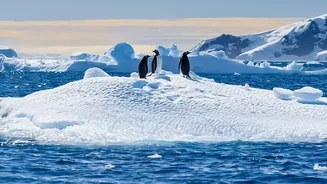
The loss of sea ice has immediate and devastating consequences for the continent's unique wildlife. Sea ice is not just a platform; it's a vital habitat. Microscopic algae that grow on its underside are the primary food source for krill, tiny crustaceans that form the base of the entire Antarctic food web. Less ice means less krill, which in turn means less food for penguins, seals, and whales. Emperor penguins, which rely on stable sea ice to breed and raise their chicks, face catastrophic breeding failures when the ice breaks up too early. The entire ecosystem, from the smallest organism to the largest whale, is threatened by this rapid change in habitat.
The Link to Global Weather and Sea Levels
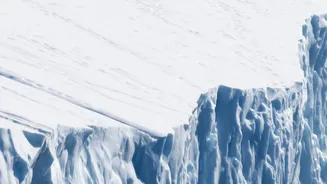
While the melting of floating sea ice doesn't directly raise sea levels, its absence has a dangerous indirect effect. The sea ice acts as a protective barrier for the massive land-based ice sheets and glaciers. Without it, these ice shelves are exposed to warmer ocean temperatures and powerful waves, which can accelerate their melting and calving. It's the melting of this land ice that contributes to global sea-level rise. Furthermore, changes in Antarctic temperatures and sea ice can influence the position of storm tracks in the Southern Hemisphere, affecting weather patterns in countries like Australia, New Zealand, and parts of South America.