




The Promise in the Sky
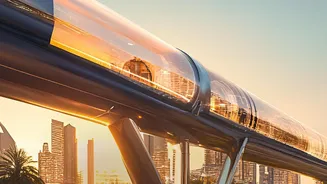
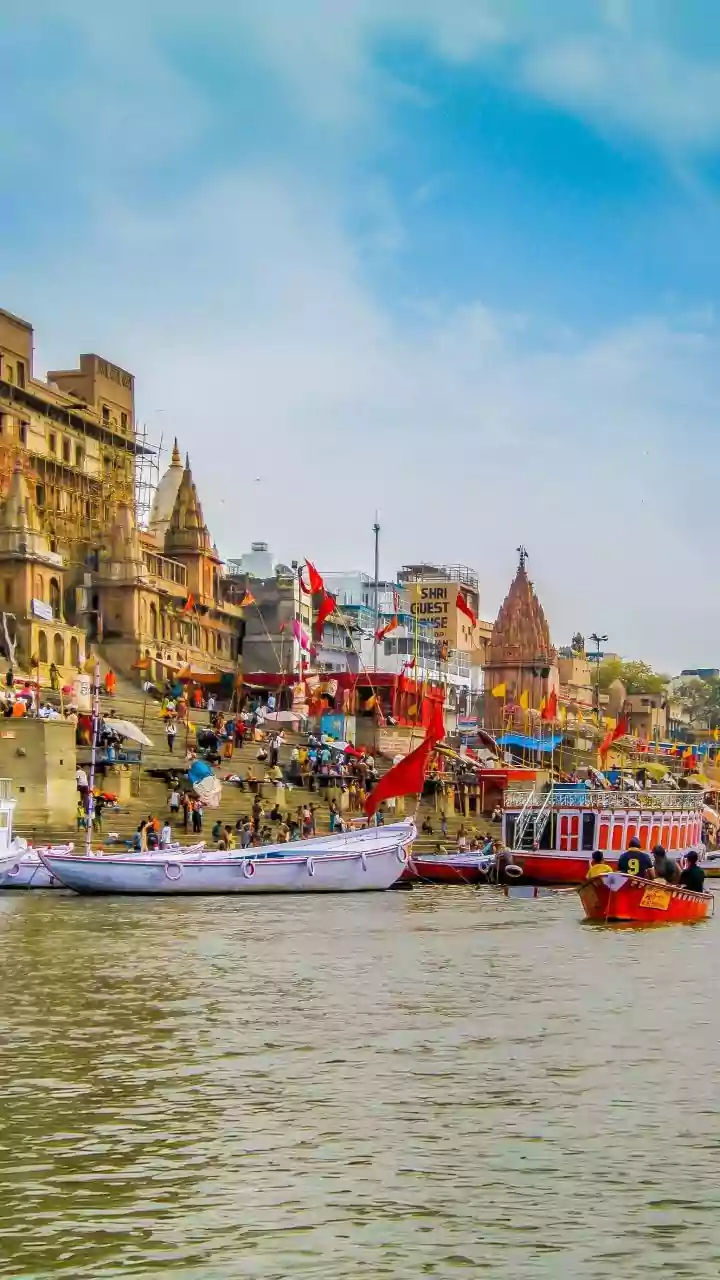
The Kashi Ropeway is a landmark infrastructure project, designed to connect the Varanasi Cantonment railway station to Godowlia Chowk, the main gateway to the Kashi Vishwanath Temple and Dashashwamedh Ghat. Spanning approximately 3.75 kilometres, this
aerial transit system is poised to slash a journey that typically takes up to an hour in congested traffic to a mere 16 minutes. With over 150 cabins, each holding 10 passengers, the system is engineered to transport thousands of people per hour, operating 16 hours a day. The stated goals are clear: reduce the crushing traffic on one of the city's busiest corridors, offer a reliable and eco-friendly travel option, and enhance the experience for the millions of pilgrims and tourists who flock to the holy city annually.
The Reality on the Ground
However, the success of any mass transit system is not just about its engineering prowess; it's about how well it integrates into the fabric of daily life. Varanasi's streets are a complex ecosystem. Commutes are not always linear. A recent survey highlighted that motorcycles and walking are the dominant modes for local trips, prized for their flexibility in navigating narrow, crowded lanes. E-rickshaws and autos provide crucial point-to-point service, taking people from their specific doorstep to a particular shop or office. The city's traffic is a chaotic but functional dance of vehicles weaving through ancient streets, a pattern ill-suited to fixed-route transport. Daily commuters—students heading to Kashi Vidyapith, shopkeepers going to Godowlia, and residents on countless daily errands—have built their travel habits around this flexibility.
The Fixed-Route Challenge
This is where the ropeway faces its greatest challenge. It is a high-capacity, fixed-line system with only five stations: Varanasi Cantt, Kashi Vidyapith, Rath Yatra, Girja Ghar (a technical stop), and Godowlia Chowk. For a tourist arriving at the railway station and heading directly to the temple, this is a perfect solution. But for a local resident, the question is more complicated. How do they get to and from the ropeway stations? This last-mile connectivity is a critical puzzle. If a commuter has to take an e-rickshaw to the station and another one from the destination station, has the ropeway truly saved them time or money? The system's value for a daily user will be determined not by the 16-minute aerial journey, but by the total door-to-door travel time and cost.
A Tale of Two Users: Pilgrim vs. Resident
The project's design heavily emphasizes its benefit for tourism, and rightly so. Easing access to the Kashi Vishwanath corridor for the city's ever-increasing number of visitors is a major objective. The ropeway will undoubtedly be a scenic and convenient attraction. But for it to be a sustainable piece of public transport, it must also capture a significant share of local commuters. This will depend heavily on pricing and accessibility. If ticket prices are geared towards tourists, it may prove too expensive for daily use by the average resident. Furthermore, successful urban ropeways in cities like Medellín, Colombia, were designed to connect isolated, low-income communities to the city's economic core, serving a fundamental daily need. Varanasi's ropeway follows a corridor that is already served, albeit chaotically, by numerous other transport options.
Making the Connection
For the Kashi Ropeway to truly succeed as a public transit solution, it cannot exist in isolation. Its success is not guaranteed by its novelty. Planners must ensure seamless integration with the city's existing transport network. This means creating well-organized feeder routes with e-rickshaws and autos at each station, ensuring clear signage, and implementing an integrated ticketing system if possible. The stations must be designed not just as transit points, but as hubs that are easy and safe to access. The project is a bold step towards modernizing mobility in one of India's oldest and most complex urban landscapes. Its ultimate impact, however, will be measured by whether the people of Varanasi see it as their own, an essential part of their daily journey, rather than just a ride for visitors.