




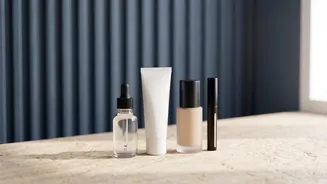
What Exactly Is Facial Layering?
Facial layering is a makeup technique focused on applying multiple, thin layers of product in a strategic order to build coverage and dimension without creating heaviness. Instead of applying one thick coat of foundation to do all the work, this method
uses specific products for specific jobs, from colour correction to adding warmth. The philosophy is simple: less is more. Each layer has a purpose, whether it's gripping the product that comes next, evening out skin tone, concealing a blemish, or adding a healthy flush of colour. The result is a seamless, skin-like finish that appears more polished and natural.
The Foundation of Layering: Skin Prep
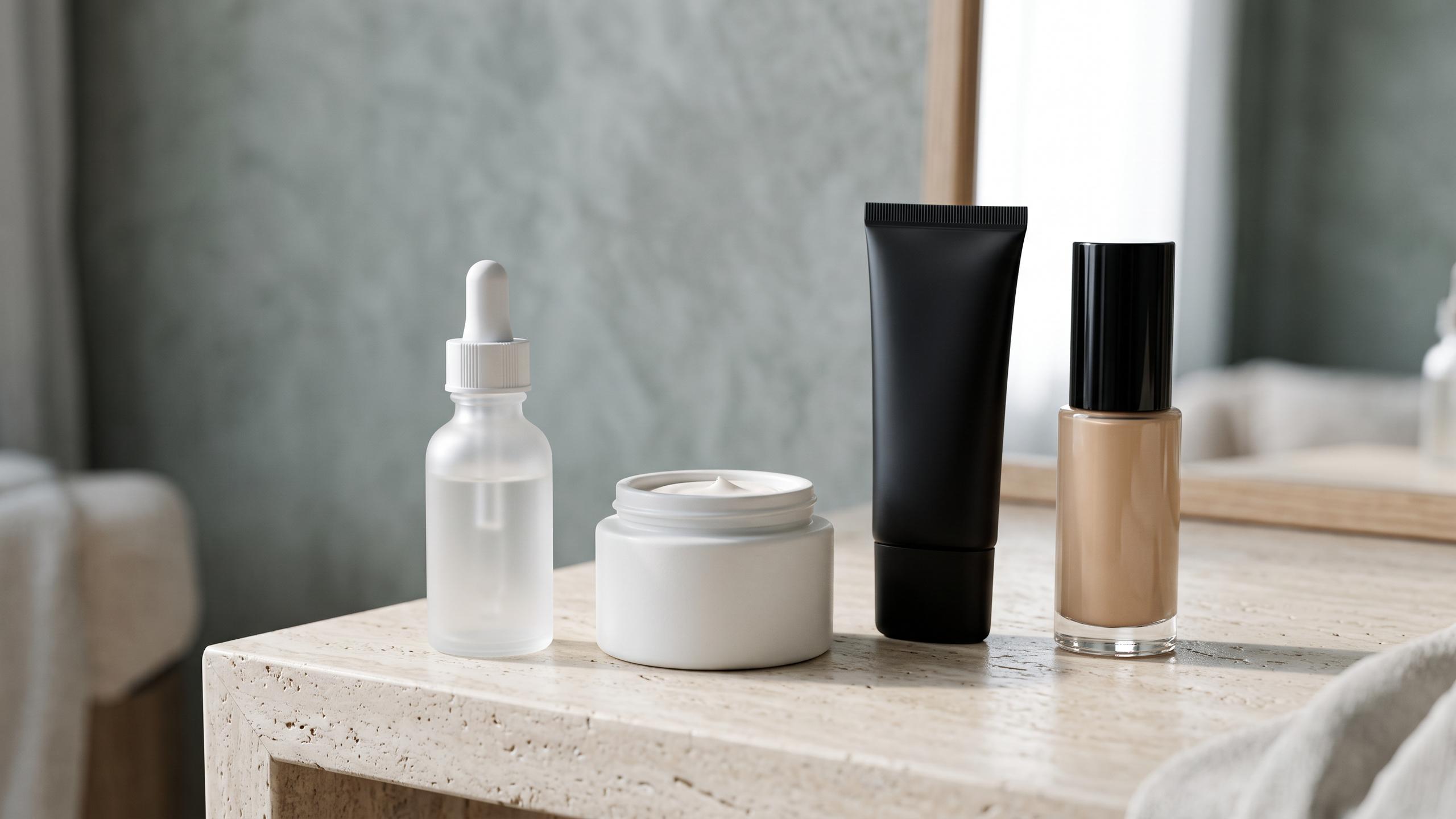
Before you even think about makeup, the most critical layer is your skincare. Applying makeup on dry, flaky, or overly oily skin is a primary cause of a cakey finish. A smooth canvas is non-negotiable for products to blend seamlessly. Start by cleansing your face to remove any residue or excess oils. Follow this with a moisturizer suited to your skin type to hydrate and plump the skin. Allow it to fully absorb for a few minutes. For extra staying power and a smoother texture, a primer is your best friend. It creates a barrier that helps foundation glide on evenly and stay put throughout the day.
Your Step-by-Step Guide to Application
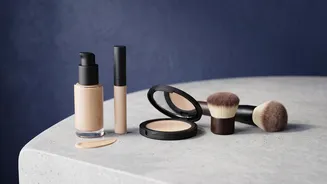
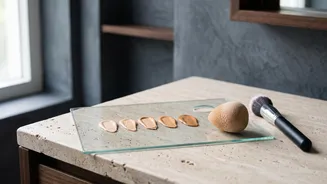
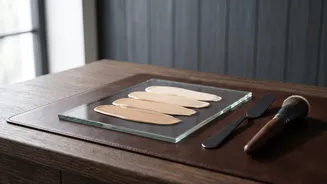
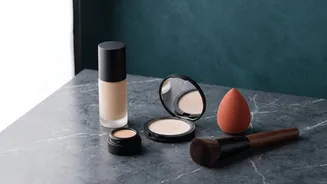
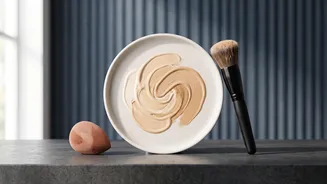
The magic of facial layering is in the sequence and texture of the products. A general rule of thumb is to apply liquids and creams before moving on to powders. Applying a cream over a powder can cause patchiness and disrupt the layers underneath. Start with your liquid or cream products. This could be a sheer skin tint or a lightweight liquid foundation. Apply it in thin, even layers, starting from the centre of your face and blending outwards. Use a damp sponge or a dense brush for a seamless, airbrushed effect. Next, apply concealer only where needed, such as under the eyes or on specific blemishes, and gently tap to blend. Once your base is even, introduce cream bronzer and blush to add back warmth and dimension before any powder is applied. This ensures they melt into the skin for a natural, lit-from-within glow.
Locking It In: The Power of Powder
Powder is not the enemy of a natural look; its misuse is. In facial layering, powder is used strategically, not applied all over. Its purpose is to set the cream products, control shine, and prevent creasing. Use a translucent setting powder and a fluffy brush or velour puff to lightly press it onto areas that tend to get oily, like the T-zone (forehead, nose, and chin). If you have dry skin, you might only need a whisper of powder under the eyes to set your concealer. This targeted approach keeps the rest of your skin looking fresh and radiant while ensuring your makeup lasts.
Choosing Compatible Products
One of the biggest culprits of patchy makeup is using products with incompatible bases. Just like oil and water, silicone-based and water-based formulas don't mix well and can cause separation on the skin. For successful layering, check the ingredient lists of your products. If your primer is silicone-based (look for ingredients ending in "-cone" or "-siloxane" near the top of the list), your foundation should be too. Consistent formulas ensure that each layer works in harmony with the next, creating a stable, unified, and long-lasting finish.