







Synchronised Movement Forges Real Connection
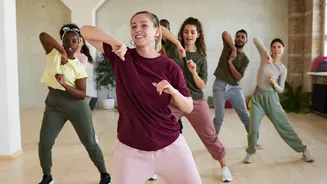
When a team moves in sync, something powerful happens that goes beyond simple coordination. Research shows that synchronised movement, like dancing together, can weaken the boundaries between individuals, fostering a sense of unity. This phenomenon, known
as psychophysiological synchrony, aligns not just physical actions but also emotional and mental states. When colleagues learn and perform steps together, their brainwaves and even heart rates can begin to align, creating a non-verbal sense of togetherness and trust. This shared rhythm acts as a social glue, enhancing cohesion and making team members feel more connected on a fundamental level.
A Safe Space for Non-Verbal Communication
Corporate environments often rely heavily on verbal communication, which can be fraught with hierarchy and pressure. Dancing offers a refreshing alternative. It is a universal language that allows for expression without words, breaking down communication barriers. In a dance class, titles and positions fade away; everyone is a learner on the same floor. This dynamic encourages a different kind of listening—one that relies on reading body language, anticipating moves, and trusting a partner’s lead. This process builds empathy and rapport in a low-pressure setting, strengthening interpersonal skills that translate directly back to a more collaborative and understanding workplace.
A Proven Method to Reduce Stress Hormones
The link between physical activity and stress relief is well-known, but dancing has a unique edge. The combination of rhythmic movement and music is highly effective at managing stress. Engaging in a fun, physical activity like dance stimulates the production of endorphins, the brain's natural mood elevators. Simultaneously, it helps reduce the levels of cortisol, the body's primary stress hormone. This hormonal shift directly combats the physiological symptoms of burnout, leading to improved mood, reduced anxiety, and greater mental clarity. It provides a true break from the mental load of work, allowing employees to return to their tasks feeling refreshed and re-energised.
Building Resilience Through a Shared Challenge
Learning a new dance routine as a group is a perfect metaphor for tackling a complex project at work. There will be mistakes, moments of awkwardness, and plenty of laughter. The process of starting as beginners and gradually mastering a choreography together builds collective confidence and resilience. It teaches team members to support each other’s learning curves and celebrate small wins along the way. This shared experience of overcoming a fun, low-stakes challenge fosters a growth mindset. It demonstrates that with cooperation and practice, the group can achieve a common goal, boosting morale and creating a powerful sense of shared accomplishment.
Creating Positive Memories That Humanise Colleagues
Team relationships are often built on shared experiences. While work projects create one kind of bond, activities outside of daily tasks create another, more personal one. A fun dance workshop becomes a positive, lasting memory that exists entirely outside the context of deadlines and targets. It allows colleagues to see each other in a new light—as creative, playful, and sometimes vulnerable individuals. This humanising effect breaks down rigid professional barriers and fosters genuine friendships. These positive shared memories strengthen the social fabric of the team, leading to a more supportive, happy, and ultimately more productive work environment.