


An Accessory with Ancient Roots
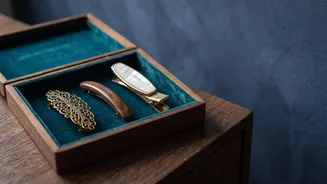
The practice of adorning hair is as old as civilization itself. Ancient Egyptians used decorative combs made from materials like jade and alabaster to signify social status. In Ancient Rome, women fastened elaborate hairstyles with hairpins carved from ivory
and wood, some of which were hollowed out to hold perfume. These early accessories laid the groundwork, proving that hair adornments have always served a dual purpose: they are both functional tools and powerful forms of self-expression. While the clips we know today are a more modern invention, their spiritual ancestors have been a part of human style for millennia.
The Evolution into a Modern Staple
The 19th and 20th centuries saw the birth of the hair clips we now recognize. Barrettes emerged in the mid-1800s, offering a new way to hold hair in place with a decorative flair. The invention of the bobby pin in the 1920s was a game-changer for the popular bobbed hairstyles of the era. But it was the claw clip, invented by French designer Christian Potut in 1989, that revolutionized casual hairstyling. Inspired by combining a comb and a clip, its interlocking teeth provided a secure hold for all hair types, cementing its place as a '90s icon worn by everyone from Jennifer Aniston on 'Friends' to Gwyneth Paltrow on the red carpet.
From Nostalgia to High Fashion
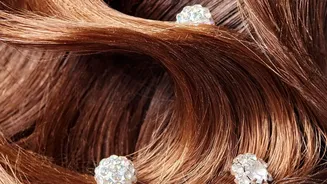
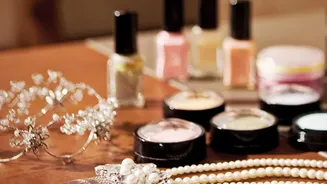
Trends come and go, but the hair clip always finds its way back into the spotlight. The recent resurgence of Y2K and '90s aesthetics has brought accessories like the claw clip and zigzag headband roaring back into fashion, spotted on runways for Miu Miu and Marc Jacobs for their Fall 2026 shows. Today’s clips are more than just plastic throwbacks; they have been elevated to the status of jewellery. Designers are using materials like cellulose acetate, pearls, and Swarovski crystals to create statement pieces. These aren't just for holding your hair back anymore; they are the main event, capable of turning a simple bun into an editorial-worthy look.
The Triple Threat: Versatility, Function, and Personality
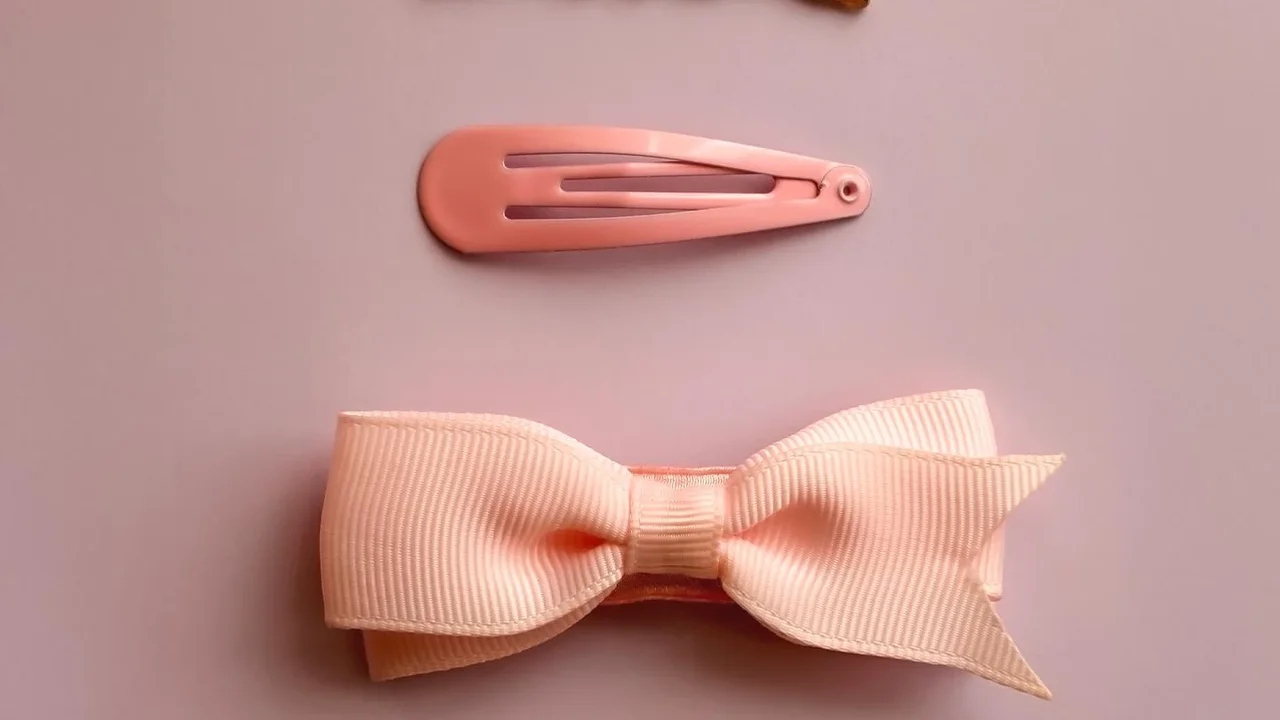
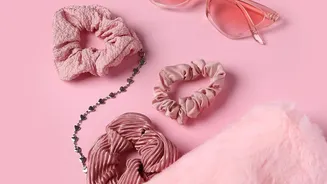
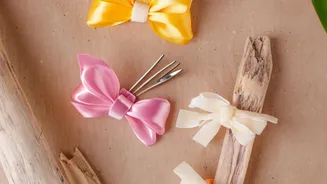
The enduring appeal of the hair clip lies in its unmatched versatility. It works for all hair types, from fine hair that needs a gentle grip to thick hair requiring a jumbo-sized claw. A single clip can take you from a professional office setting with a sleek tortoiseshell barrette to a wedding with a pearl-embellished piece. More than just being pretty, quality clips are designed to be gentle on hair, preventing the breakage and creasing that can be caused by traditional hair elastics. They offer an effortless way to express personal style, whether through a stack of colourful barrettes, a minimalist metal pin, or a playful, novelty-shaped claw clip.
How to Style Them in 2026
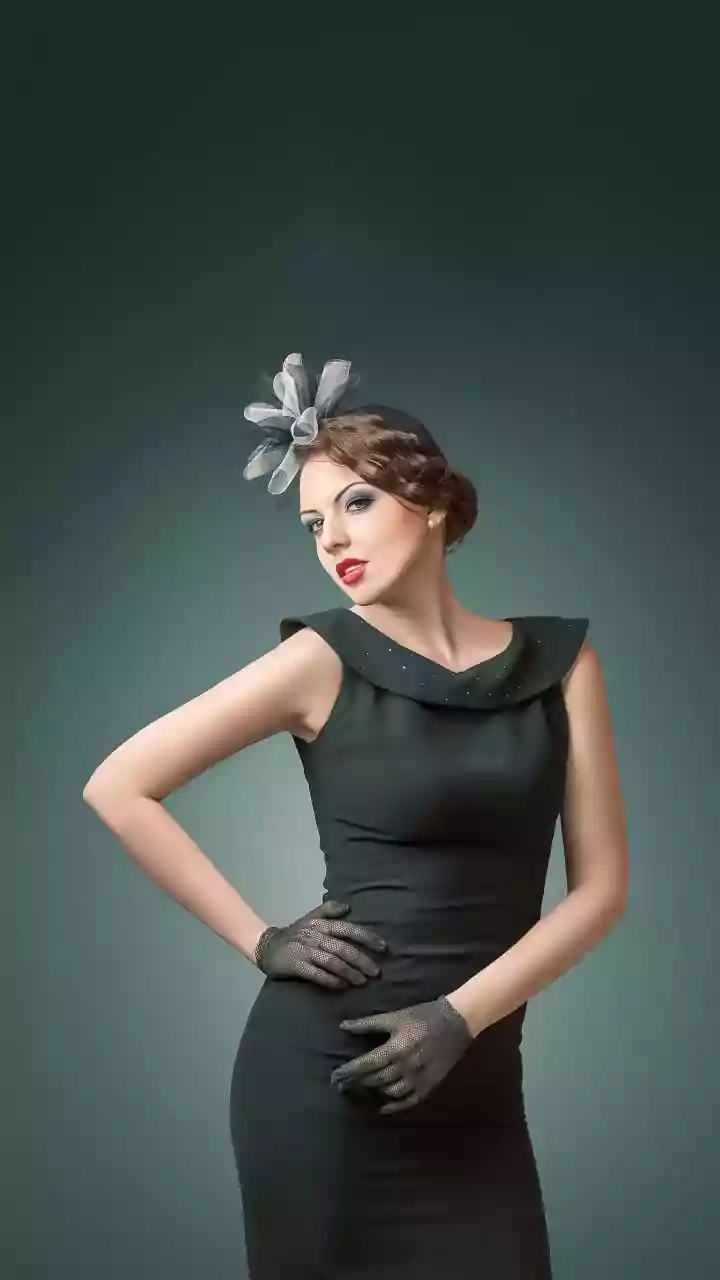
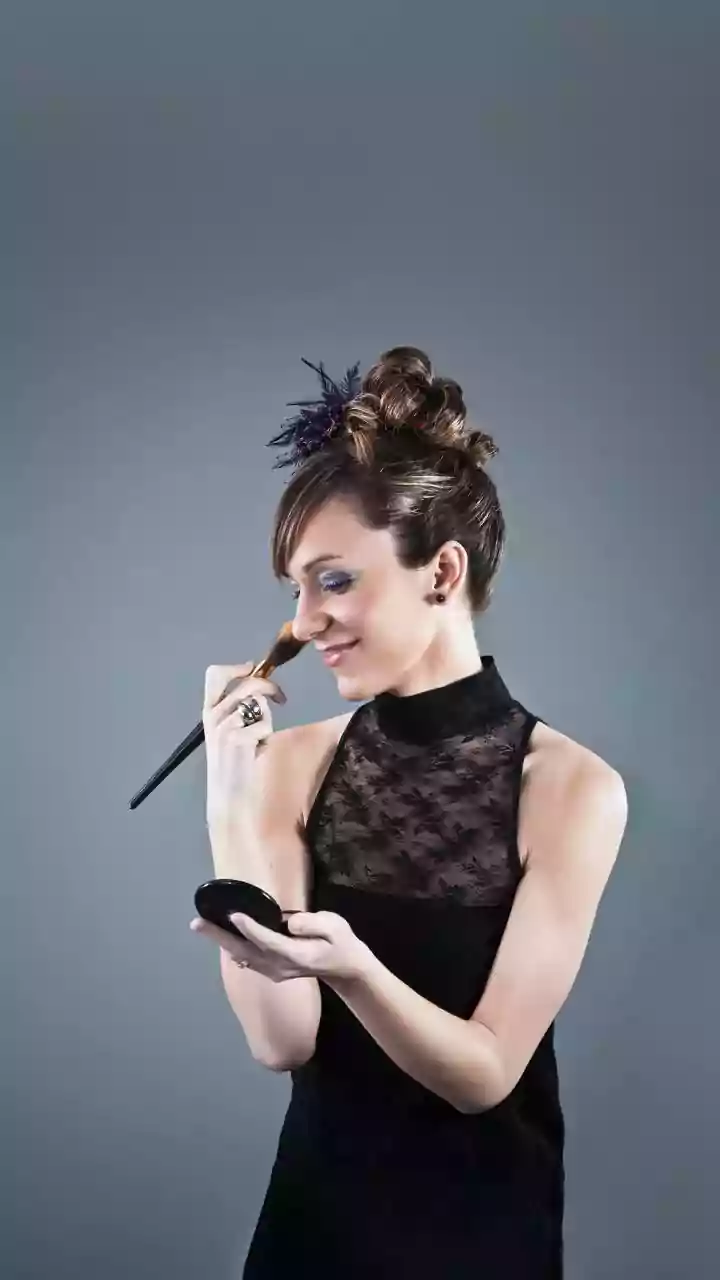
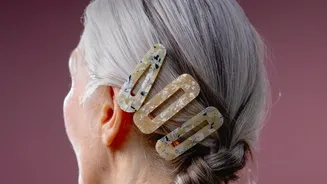
Styling a hair clip is all about intention. For a romantic look, use a decorative barrette to create a classic side sweep, pinning hair just above the ear. To make a bolder statement, try stacking multiple clips along one side of a sleek hairdo. Even a simple ponytail can be elevated by securing a polished metal clip around the base. For Fall 2026, trends point towards oversized statement barrettes, sculptural metal hair forks for elegant buns, and embellished pins that add a vintage, heirloom feel to any style. The key is to let the accessory be the focal point, complementing your outfit without overwhelming it.