




Why Ragi Flour is Thirsty
Ragi, or finger millet, is a nutritional powerhouse, celebrated for being rich in calcium, iron, and dietary fibre. However, these same properties make it behave differently from refined wheat flour. Ragi is naturally gluten-free and has a high fibre content,
which means it absorbs significantly more liquid. Studies have shown that finger millet flour has a high water absorption capacity. If the batter is too thick, there isn’t enough moisture to hydrate the flour and create the steam needed for a light texture, resulting in dense, brick-like pancakes.
Achieving the Perfect Batter Consistency
The ideal ragi pancake batter should be pourable but not watery. Think of a consistency similar to a thick milkshake or traditional dosa batter—it should flow smoothly from the ladle but still have enough body to hold its shape in the pan. If your batter feels like thick mud, it's a clear sign you need more liquid. Add your chosen liquid—be it milk, buttermilk, or water—one tablespoon at a time until you reach that flowing consistency. Remember, a lumpy batter is often a good sign; it means you haven't overmixed it.
The Critical Step: Let the Batter Rest
Patience is a key ingredient when working with ragi. After mixing, it's crucial to let the batter rest for at least 10 to 15 minutes. This resting period allows the ragi flour to fully absorb the liquid and hydrate completely. Skipping this step means the flour will continue to absorb moisture as it cooks, effectively stealing the liquid that would have created steam and lift, leaving you with a dense final product. This short pause also gives the leavening agents, like baking powder, time to activate.
Choosing the Right Liquid
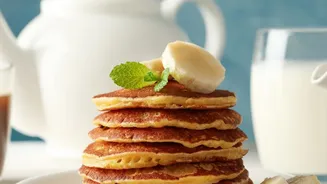
While water works, other liquids can significantly improve both the flavour and texture of your pancakes. Whole milk adds richness and fat, which contributes to a more tender crumb. Buttermilk is often considered the best choice for fluffy pancakes. Its natural acidity reacts with leavening agents like baking soda to create extra carbon dioxide, resulting in a lighter, airier pancake with a subtle tangy flavour. If you don't have buttermilk, you can make a substitute by adding a tablespoon of lemon juice or vinegar to a cup of milk and letting it sit for five minutes.
Don't Forget the Lift
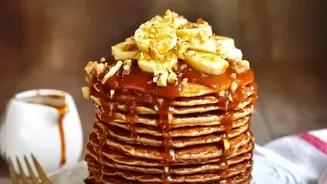
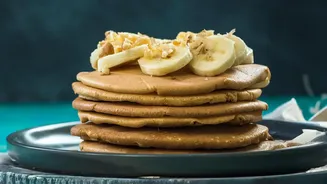
Because ragi is gluten-free, it doesn't have the protein structure that gives wheat-based pancakes their natural elasticity and lift. To compensate, a leavening agent is essential. Most recipes use baking powder or a combination of baking soda and an acid (like buttermilk or yogurt). These agents create the air bubbles needed for a fluffy texture. Ensure your baking powder is fresh, as old leavening agents lose their potency and won't provide the necessary rise. Some recipes also incorporate mashed banana, which not only adds natural sweetness but also provides moisture and softness.
Cooking Technique for a Fluffy Finish
Proper cooking technique is the final piece of the puzzle. Use a non-stick pan over medium to medium-low heat. A pan that's too hot will cook the outside before the inside has a chance to rise and set, leading to a gummy centre. Pour the batter and wait for bubbles to form and pop across the surface before flipping. Crucially, only flip once. Pressing down on the pancake with a spatula is a common mistake that pushes out all the air you worked so hard to incorporate, guaranteeing a dense outcome.