





Walking: The Foundation of Health
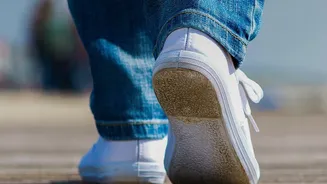
Walking is perhaps the most accessible and underrated form of exercise. Its primary strength lies in its cardiovascular benefits. Regular brisk walking helps improve heart health, lower blood pressure, and enhance circulation. Just 30 minutes a day can
significantly reduce your risk of chronic conditions like heart disease and type 2 diabetes. It’s a low-impact activity, making it gentle on the joints and suitable for people of all ages and fitness levels, including those who are overweight or haven't exercised in a long time. Beyond the physical, walking has a profound impact on mental well-being, helping to reduce stress, improve mood, and boost mental clarity, especially when done outdoors. It is the cornerstone of an active lifestyle, a simple way to increase daily calorie expenditure and ensure you are moving your body consistently.
Pilates: The Architect of Strength and Stability
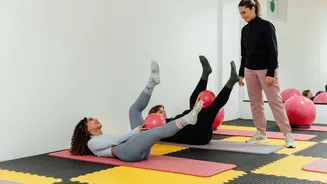
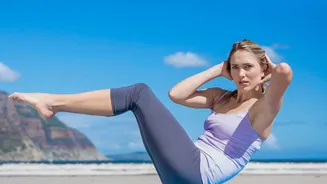
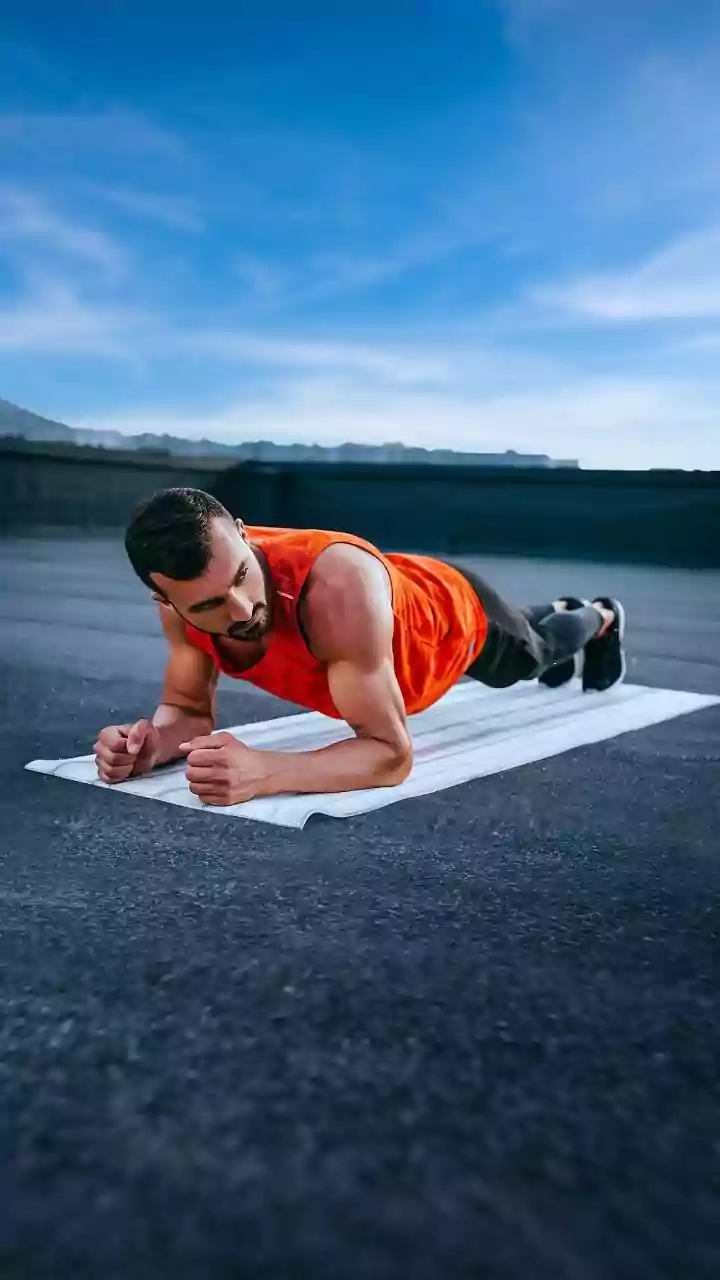
Where walking provides broad cardiovascular benefits, Pilates offers a targeted approach to building functional strength, stability, and body awareness. It is a full-body workout that places a strong emphasis on the core—the deep muscles of your abdomen, back, hips, and pelvic floor. A strong core acts as a natural support system for your spine, which is crucial for improving posture and alleviating common ailments like lower back pain, often caused by sedentary habits such as prolonged desk work. Pilates involves controlled, precise movements that enhance flexibility, balance, and muscle control. This doesn't just make you stronger; it retrains your body to move more efficiently and with better alignment in all your daily activities, from sitting taller at your desk to bending down to tie your shoes.
Why 'Versus' Is the Wrong Framework
The problem with a 'walking vs. Pilates' mindset is that it assumes they are interchangeable, which they are not. Walking is a cardiovascular exercise that primarily builds endurance and promotes general health. Pilates is a form of strength and mobility training that focuses on alignment, muscle control, and core stability. One is not a substitute for the other. Walking alone, for example, does little to build upper-body strength or correct the muscular imbalances that Pilates targets so effectively. Conversely, while some Pilates sequences can elevate your heart rate, it is not primarily an aerobic workout designed for cardiovascular endurance in the same way as a brisk walk. Seeing them as competitors means you will always miss out on the unique benefits of the one you don't choose.
The Power of a Partnership
The most effective approach is to stop thinking 'or' and start thinking 'and'. Walking and Pilates form a perfect partnership for holistic health. Regular walking ensures you meet your daily activity needs and keep your heart strong, while Pilates builds a resilient, well-aligned body that is less prone to injury. By strengthening your core and improving your posture, Pilates can actually make your walks more effective and comfortable. A balanced weekly routine could involve walking for 30-45 minutes on four or five days, and incorporating two or three Pilates sessions to focus on strength and alignment. This combination addresses cardiovascular fitness, muscular strength, flexibility, and posture, creating a comprehensive wellness plan that neither activity could provide on its own. This synergy helps build a body that doesn't just move, but moves well.