







The AI Gold Rush's Unseen Cost
Behind every AI query and generative art piece lies a vast, physical infrastructure. The demand for artificial intelligence has ignited a global race to build 'hyperscale' data centers, sprawling facilities that can consume as much electricity as a small
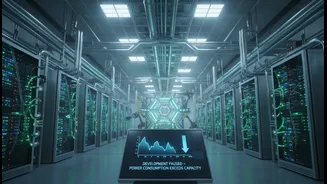
city. These server farms are the engines of the digital age, but they come with significant costs. A single AI-focused data center can require millions of gallons of water per day for cooling, straining local resources, especially in drought-prone areas. Their immense power consumption puts a heavy burden on regional electricity grids, which can lead to higher utility bills for all residents, not just the tech companies. This physical toll, long an abstract concern, is now becoming a tangible issue in communities across the country.
A Stand in New York
On July 14, 2026, New York became the first state in the nation to hit the pause button. Governor Kathy Hochul signed an executive order placing a temporary, one-year moratorium on environmental permits for new hyperscale data centers consuming over 50 megawatts of power. The move was described as a necessary step to give the state time to develop a comprehensive framework for how these massive projects should be regulated. In a statement, Governor Hochul said the pause would allow New York to create standards to protect the energy grid, the environment, and local communities from the potential negative impacts of unchecked development. The decision didn't come from nowhere; it followed a groundswell of activism from local environmental groups and concerned citizens, as well as a similar moratorium bill passed by the state legislature.
From 'NIMBY' to a National Movement
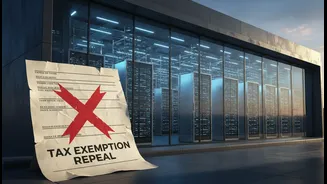
What is happening in New York is not an isolated event but the most significant milestone yet in a growing national trend. Across the United States, what might once have been dismissed as 'Not In My Backyard' (NIMBY) complaints are coalescing into an organized, bipartisan movement. A Gallup poll from earlier this year found that over 70% of Americans oppose the construction of an AI data center in their local area. The primary concerns cited are rising electricity costs, consumption of water, noise pollution from cooling systems, and the sense that these facilities demand huge tax breaks without providing a proportionate number of high-quality local jobs. Local governments are responding; dozens of municipalities from Virginia to Arizona to California have enacted their own moratoriums or restrictive zoning laws.
A National Pattern Emerges
While New York is the first to enact a statewide ban, lawmakers in at least 15 other states are considering similar measures. States like Pennsylvania, Michigan, and Virginia, a major hub for data centers, are all debating legislation that would pause or restrict new development. This shift from local skirmishes to state-level policy battles represents a major escalation. The conflict highlights a fundamental tension: the federal push to maintain America's lead in AI technology versus the right of local communities to decide what gets built within their borders. Reports indicate that billions of dollars in planned data center projects have already been delayed or blocked due to this rising tide of opposition, signaling a significant new hurdle for the tech industry.
The Road Ahead for Big Tech
The era of building data centers with minimal friction appears to be over. Tech giants can no longer assume they will be welcomed with open arms and generous tax incentives. New York's decision serves as a clear signal that states are beginning to demand more from the industry. Going forward, developers may need to change their approach radically. This could involve offering more substantial community benefit agreements, investing in their own renewable power sources to avoid straining the public grid, or pioneering new, more efficient cooling technologies that use less water. The backlash also creates an opportunity for innovation in designing data centers that are less intrusive and more integrated with community needs. The future of AI's physical footprint will likely be negotiated not just in corporate boardrooms, but in town hall meetings and state legislatures across the nation.