


The Mighty Pumpkin Seed
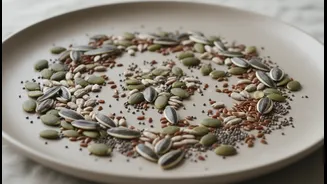
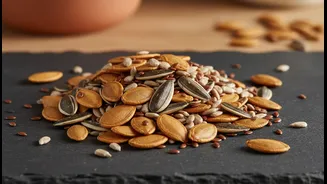
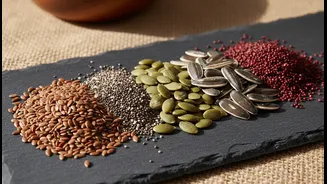
Often called pepitas, pumpkin seeds are nutritional powerhouses perfect for staving off hunger. They are packed with protein, fiber, and healthy unsaturated fats that promote a feeling of fullness. A small handful delivers a significant amount of magnesium,
a mineral crucial for everything from bone health and muscle function to stress management and sleep quality. They are also rich in zinc and iron, which support a healthy immune system. Their anti-inflammatory properties and antioxidants may help reduce the risk of certain chronic diseases. Simply roast them with a pinch of salt for a satisfyingly crunchy snack, or sprinkle them over yogurt and salads.
The Sunny Sunflower Seed
A classic for a reason, sunflower seeds are more than just a ballpark snack. They are an excellent source of vitamin E, a powerful antioxidant that protects your body's cells from damage and reduces inflammation. This, combined with their selenium content, makes them a great choice for supporting your immune system and thyroid function. Sunflower seeds are also loaded with healthy fats, protein, and B vitamins, including thiamine (vitamin B1), which helps your body convert food into energy to fight off midday fatigue. For a heart-healthy boost, look for unshelled or hulled varieties that are lightly salted.
The Versatile Chia Seed
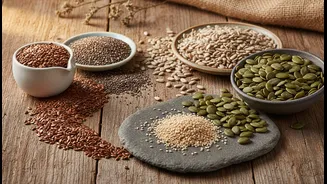
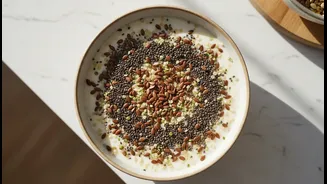
Don't let their tiny size fool you; chia seeds are one of the most nutrient-dense foods available. They are a fantastic source of plant-based omega-3 fatty acids, particularly alpha-linolenic acid (ALA), which is celebrated for its anti-inflammatory and heart-protective benefits. Chia is also incredibly high in dietary fiber. When mixed with liquid, the seeds form a gel, a process that slows digestion, promotes satiety, and helps stabilize blood sugar levels, preventing the dreaded post-snack energy dip. A serving also provides a surprising amount of protein and calcium. For an easy office breakfast or snack, mix a couple of tablespoons into a jar with milk or yogurt and let it sit to create a simple chia pudding.
The Fibrous Flaxseed
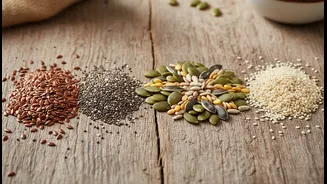
Flaxseeds are nutritional giants, best known for being rich in fiber and omega-3s. They are a particularly great source of lignans, plant compounds with antioxidant properties that may help protect against certain types of cancer and reduce inflammation. The high fiber content aids digestive health and can help lower cholesterol and blood pressure, contributing to better cardiovascular health. To unlock their full nutritional potential, it's best to consume flaxseeds in their ground form, as whole seeds can pass through the digestive system untouched. Stir a tablespoon of ground flax into your oatmeal, smoothie, or yogurt for an easy nutritional upgrade.
The Toasty Sesame Seed
Commonly found atop buns and in tahini, sesame seeds deserve a spot in your snack rotation. They are a good source of plant-based protein, fiber, and healthy fats. But their real strength lies in a rich mineral profile that includes copper, manganese, zinc, and selenium. Sesame seeds are also an excellent non-dairy source of calcium, a mineral vital for bone health. They contain unique compounds called lignans, such as sesamin, which act as antioxidants and have been shown to help lower cholesterol and blood pressure. Keep a small container of toasted sesame seeds to sprinkle over salads or even savory rice dishes for added flavor and crunch.
Storing for Freshness
The convenience of seeds is a major draw, and proper storage ensures they stay fresh and nutritious. The key is to protect them from heat, light, and moisture, which can cause their healthy oils to turn rancid. The best method is to keep them in an airtight container, such as a glass jar, in a cool, dark place. Your office drawer is perfect for short-term storage, but for larger quantities you plan to keep for months, the refrigerator is an ideal environment to prolong their shelf life. Always make sure your seeds are completely dry before sealing them to prevent mold.