





The Engine of Growth: A Unique Visa Policy
At the heart of Phu Quoc's tourism explosion is a uniquely attractive government policy: it is the only destination in Vietnam offering a 30-day visa-free stay to travelers of all nationalities. This policy, in effect since July 2020, removes a significant
barrier to entry, making the 'Pearl Island' one of the most accessible destinations in Southeast Asia. Visitors can fly directly to Phu Quoc International Airport, or even transit through major hubs like Ho Chi Minh City or Hanoi, and still qualify for the exemption, provided they remain within the island's designated economic zone. This strategic decision has positioned Phu Quoc to successfully compete with established regional hotspots like Phuket and Bali, turning administrative convenience into a powerful economic driver.
An 'Unprecedented' Wave of Investment
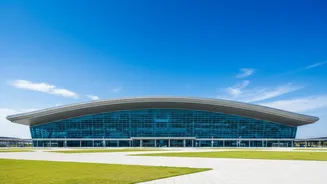
The influx of tourists has been met with a wave of infrastructure and hospitality investment described by one senior Hilton executive as something "not seen in any other country, even in the Middle East." The island is in the midst of a construction boom as it prepares to host the APEC 2027 summit. Major private investors like Sun Group are pouring billions of dollars into projects that will define the island's future. These include a massive expansion of Phu Quoc International Airport, with a new terminal designed to handle up to 18 million passengers annually by 2027. Furthermore, a new 'hotel city' is being developed, bringing together 13 high-end hotel brands to add over 17,000 luxury rooms and apartments. This furious pace of development is a direct response to the growing demand and a strategic move to elevate the island's global standing.
Connecting the Island to the World
New infrastructure isn't limited to hotels and airport terminals. To support the expected growth and the APEC event, Phu Quoc is developing its first-ever urban light rail transit (LRT) system. This nearly 18-kilometer line will connect the expanded airport directly to the new APEC Convention Centre, capable of transporting 4,500 passengers per hour and significantly easing traffic. In parallel, new airlines are setting up shop, such as Sun PhuQuoc Airways, which plans to base its fleet on the island and expand its international route network across Asia. This focus on connectivity—by air and on the ground—is crucial for sustaining the tourism surge and ensuring the island can handle the influx of visitors smoothly and efficiently.
The Economic Ripple Effect
The impact of this tourism and investment boom is felt across the island's economy. Foreign direct investment (FDI) in the tourism sector has already surpassed US$6 billion, with major groups from the US, Switzerland, and Canada funding luxury eco-tourism complexes, financial centers, and recreational resorts. This capital injection creates a powerful ripple effect. The construction of new hotels, resorts, and urban areas generates thousands of jobs. Once operational, these establishments require a large workforce, from management to service staff, providing long-term employment. The thriving tourism sector also buoys countless small and medium-sized enterprises, including restaurants, tour operators, and local shops, which all benefit from increased tourist spending. This comprehensive growth is transforming Phu Quoc from a seasonal destination into a year-round economic hub.
Balancing Growth with Sustainability
While the economic indicators are overwhelmingly positive, this rapid development presents its own set of challenges. The sheer scale of construction and the projected increase in visitors raise important questions about sustainability and environmental protection. Maintaining the 'Pearl Island's' natural beauty—the very asset that attracts tourists in the first place—is paramount. As Phu Quoc continues on its ambitious growth trajectory, the key challenge for officials and investors will be to balance economic expansion with responsible environmental stewardship. Ensuring that development does not come at the cost of the island's pristine beaches and ecosystems will be critical for its long-term success and appeal.