






A Landmark Launch for Indian Ecotourism
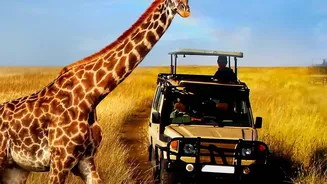
On October 7, 2026, during the region's Wildlife Week, the Ladakh administration officially launched the Snow Leopard Safari. Lieutenant Governor Vinai Kumar Saxena flagged off the first fleet of six specially designed, open-back safari vehicles in Leh.
This initiative, developed in just two months, marks a significant step towards regulated and responsible wildlife tourism in the ecologically sensitive region. The safari is a collaborative effort between Ladakh's Department of Forest, Ecology and Environment and the Snow Leopard and High-Altitude Nature Conservation (SHAN) Society. The primary goal is to provide a structured, safe, and respectful way for visitors to experience Ladakh's incredible biodiversity while curbing the environmental damage caused by illegal off-roading.
In the Realm of the 'Ghost of the Mountains'
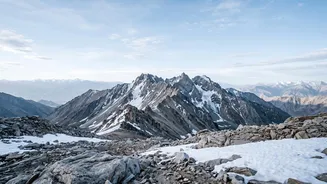
The safari’s main draw is, of course, the 'shan' or snow leopard. Ladakh is a critical habitat for this magnificent cat, hosting an estimated 477 of India's total 718, the largest population in the country. These solitary animals are notoriously difficult to spot, their grey-and-white coats providing perfect camouflage against the rocky, snow-dusted terrain. The safari operates in areas renowned for sightings, including the initial routes in Rumbak, Shang, and the Ulley Valley. Ulley, a tiny hamlet of just a few houses about 70 km from Leh, is often called the 'Snow Leopard Capital of Ladakh' and has been a pioneer in community-based wildlife tourism. Beyond the star cat, visitors have the chance to see other rare high-altitude wildlife, such as the Himalayan brown bear, ibex, Tibetan wolves, and over 340 species of birds.
Community-Led Conservation at its Core
This safari is more than just a tourist attraction; it's a strategic conservation model. The initiative is deeply rooted in the principles of 'Project Snow Leopard', a government programme focused on participatory conservation. By training and employing local youth as drivers and wildlife guides, the safari creates sustainable livelihoods. This economic incentive empowers local communities, transforming them from passive residents into active custodians of their environment. The project aims to reduce human-wildlife conflict—historically a source of retaliatory killings of predators—by demonstrating the economic value of preservation. It’s a unique model where tourism revenue directly supports the protection of the fragile ecosystem and its inhabitants.
Planning Your Himalayan Adventure
A trip to see snow leopards requires careful planning. The best time for sightings is during the harsh winter months, from November to March. During this period, the snow leopard's primary prey, like the blue sheep (bharal), descends to lower altitudes, and the predators follow them down, making them easier to spot against the snow. Be prepared for extreme cold, with temperatures often dropping below -20°C. The safari operates at high altitudes, around 4,000 meters (13,000 feet), so acclimatisation is crucial. It is recommended to spend at least two full days resting in Leh (altitude 3,500 meters) before venturing higher to prevent acute mountain sickness. The safaris are led by expert local trackers who know the animal's patterns and use vantage points to scan the vast valleys, maximizing your chances of a truly unforgettable sighting.








