



The Science of the Lean
That familiar tilt towards the nearest window is a process called phototropism. In simple terms, plants are biological solar panels, and they instinctively orient themselves to capture as much light as possible for photosynthesis, their energy-making
process. This movement is controlled by a growth hormone called auxin. When light hits one side of a plant, auxin concentrates on the shadier side of the stem. This hormone causes the cells on the dark side to grow longer and faster, which physically pushes the stem and leaves towards the light source, creating the lean you see. This is a brilliant survival strategy in nature, but inside our homes, it results in an uneven appearance.
Why a Sudden Spin Can Cause Stress
Your first instinct might be to simply spin the pot 180 degrees to even things out. While this can work, it's not always the kindest method for your plant. A sudden, drastic change in light orientation can be a shock to its system. Leaves that have spent weeks or months in the shade are suddenly blasted with direct sunlight, which can lead to scorching or pale, bleached patches. The plant then has to expend a significant amount of energy to reorient all its leaves, which can cause unnecessary stress, sometimes leading to drooping or leaf drop. A more gentle approach is always better for long-term health.
The Art of the Quarter-Turn
The secret to a lush, symmetrical plant is the gradual turn. Instead of a dramatic spin, the most recommended method is to give your plant a simple quarter-turn (90 degrees) on a regular basis. This small, consistent adjustment ensures that over the course of several weeks, all sides of the plant get their fair share of sunlight. This prevents any one side from becoming dominant, encouraging the plant to grow straight and full. It’s a low-stress way to counteract the plant's natural lean without shocking it, promoting stronger stems and a more balanced, aesthetically pleasing shape. Always turn the pot in the same direction to maintain consistency.
Creating a Simple Rotation Schedule
The ideal frequency for turning your plants depends on your home's light conditions. For plants in lower light, a quarter-turn every week or two is beneficial. For those in bright, direct light, once every few weeks or even once a month may be sufficient. The easiest way to remember is to tie the task to another part of your plant care routine. A popular and effective method is to give each plant a quarter-turn every time you water it. This makes the habit easy to integrate and ensures consistency without having to set constant reminders. Over time, this small action becomes second nature.
Do All Plants Need Rotating?
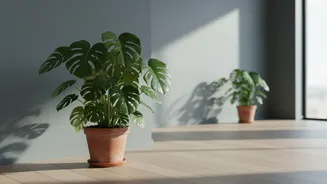
While most common houseplants benefit from rotation, there are a few exceptions. Fast-growing plants like Monsteras or Pileas show the most dramatic improvement with regular turns. However, some plants are less keen on being moved. Flowering plants that have already set buds, such as certain orchids or Christmas cacti, can sometimes drop their buds if their orientation to the light is changed. It's best to leave them be once they are about to bloom. Additionally, some climbing plants that have a distinct 'front' and 'back' may not need rotation if you prefer their natural, one-sided growth habit against a wall or trellis. If your plant is positioned directly under an overhead grow light providing even coverage, rotation isn't necessary.
Read the Signs Your Plant Gives You
Your plant will tell you what it needs. A noticeable lean or leaves that are all facing one direction are clear signs it's time to start rotating. If you notice new growth is 'leggy' or stretched, with large gaps between leaves, it's a sign the plant is desperately reaching for more light and will benefit from turns to expose its whole body to the sun. On the other hand, if you rotate a plant and notice sudden leaf yellowing, browning, or dropping, it might be a sign of stress, suggesting the turn was too abrupt or that other factors like watering or humidity are at play. Paying attention to these signals allows you to fine-tune your care and keep your indoor garden thriving.