





Why Winter Worsens Smog
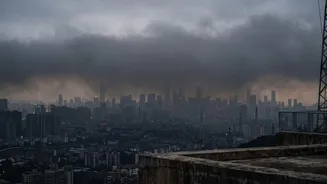
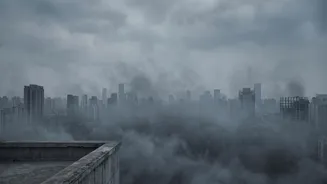
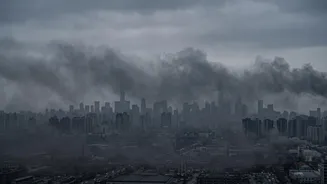
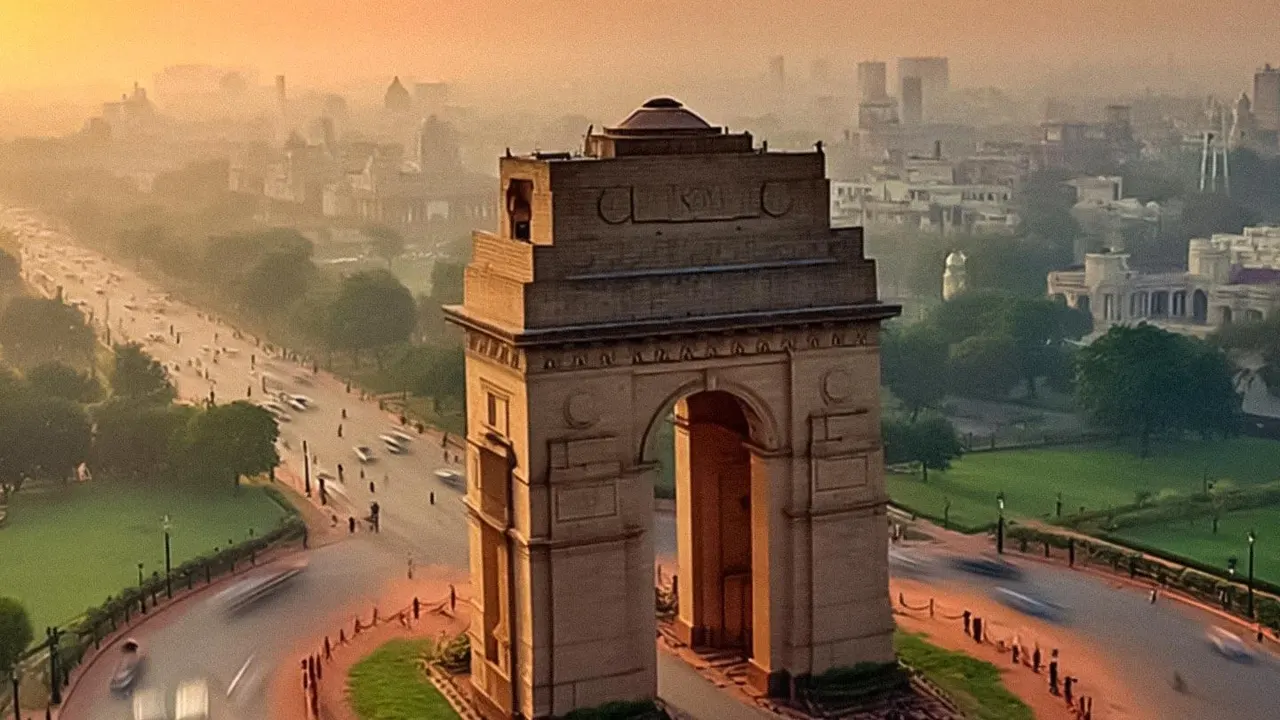
Every year, as temperatures drop, a combination of factors conspires to choke the National Capital Region. A meteorological phenomenon called temperature inversion is a primary culprit. During winter, a layer of warm air traps colder, denser air near
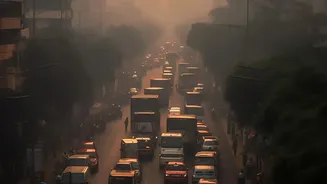
the ground, acting like a lid that prevents pollutants from dispersing. This trapped air becomes a cocktail of emissions from vehicles, dust from construction, and, most significantly, smoke from post-harvest crop stubble burning in neighbouring states like Punjab and Haryana. Low wind speeds during this season mean this toxic mix has nowhere to go, leading to a rapid spike in pollution levels and the formation of thick, hazardous smog.
Understanding the Air Quality Index (AQI)
The Air Quality Index, or AQI, is a simple tool for understanding how polluted the air is. It measures several pollutants, but the most dangerous during smog season is PM2.5—fine particulate matter so small it can penetrate deep into the lungs and even enter the bloodstream. An AQI is typically categorised from 'Good' (0-50) to 'Severe' (401-500) and 'Hazardous' (above 500). As of early October 2026, Delhi's AQI has already shown signs of deterioration, frequently entering the 'Moderate' and 'Poor' categories, with some areas reporting even higher levels. This early trend indicates the urgency of tracking daily levels. The government's Graded Response Action Plan (GRAP) uses these AQI stages to implement progressively stricter measures, such as banning certain vehicles and halting construction.
The Serious Health Risks of Smog
Exposure to high levels of air pollution is not just about a scratchy throat or coughing. Short-term effects include irritation of the eyes and respiratory tract, wheezing, and worsened asthma attacks. For vulnerable populations like children, the elderly, and those with pre-existing heart or lung conditions, the risks are far greater. Long-term exposure to pollutants like PM2.5 is linked to a host of severe health issues, including chronic respiratory diseases like COPD, cardiovascular problems, heart attacks, strokes, and even cancer. Hospitals in Delhi regularly report a surge in patients with breathing difficulties during the smog season, a testament to the real-world impact of poor air quality.
How to Check Your Local Air Quality
Staying informed is the first step to protecting yourself. Fortunately, checking the real-time AQI for your specific locality is easier than ever. Several reliable government and independent platforms provide this crucial data. The 'SAMEER' app, developed by the Central Pollution Control Board (CPCB), offers detailed AQI data from official monitoring stations. Another key resource is the System of Air Quality and Weather Forecasting and Research (SAFAR), which provides forecasts. Google Maps has also integrated an air quality layer that shows real-time data for various locations. Numerous third-party websites and apps like IQAir and Airveda also provide comprehensive, location-specific readings and health advisories. Checking these resources daily, especially in the morning before planning outdoor activities, can make a significant difference.
Practical Steps to Protect Yourself
When the AQI is in the 'Poor' to 'Severe' categories, it is vital to minimize your exposure. Stay indoors as much as possible and keep windows and doors closed. If you must go outside, wear a well-fitted N95 or FFP2 mask, as simple cloth masks do not filter out fine particulate matter. Avoid strenuous outdoor exercise like running or cycling, as this increases the volume of polluted air you inhale. At home, using an air purifier with a HEPA filter can significantly improve indoor air quality. It's also wise to avoid activities that can worsen indoor air, such as burning incense or using harsh chemical cleaners. Following these steps can help reduce the health burden during the worst days of the pollution season.