






What Exactly Is Environmental AI?
At its core, Environmental AI is about applying the power of artificial intelligence to understand, manage, and mitigate our impact on the planet. This isn't one single technology, but a broad application of AI techniques to massive environmental datasets.
For example, AI models can analyze satellite imagery to track deforestation, predict weather patterns with greater accuracy for disaster preparedness, or optimize waste management routes in smart cities. The goal is to move beyond just collecting data and toward creating predictive, actionable insights that can lead to more sustainable practices across industries. These new workshops focus on teaching students how to build and deploy these specific applications.
A Sharp Focus on Energy
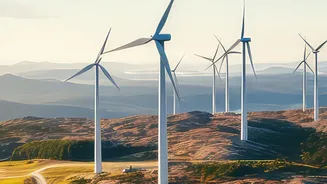
While environmental AI covers many areas, energy has become a critical focal point. The energy sector is a massive contributor to global emissions, but it's also undergoing a rapid transformation. This is where AI becomes a game-changer. AI algorithms can make power grids more resilient by forecasting energy demand in real-time, helping to prevent blackouts and reduce waste. They are also crucial for integrating renewable energy sources like solar and wind, which are often intermittent, into the grid. By predicting energy generation and consumption patterns, AI helps ensure a stable and efficient power supply, making the transition to green energy smoother and more reliable.
Inside the Workshop: Core Computing Skills
Student workshops in this field are designed to be hands-on, moving beyond theory to practical application. A key focus is on machine learning, where students learn to train models that can identify patterns in complex energy data. This includes predictive maintenance for assets like wind turbines, where AI can detect anomalies before they cause a failure. Another core skill is optimization. Students learn to develop algorithms that find the most efficient solution to a problem, such as routing energy across a grid or managing the charging of electric vehicle fleets. Programming languages like Python and familiarity with AI frameworks such as TensorFlow are foundational. The curriculum often blends computer science with domain knowledge about energy systems.
The Dark Side: AI's Own Energy Problem
Ironically, one of the biggest challenges in AI is its own massive energy consumption. Training large AI models requires immense computational power, which in turn uses a significant amount of electricity. Acknowledging this, a key part of modern environmental AI training involves learning 'energy-efficient computing'. This new discipline focuses on designing AI systems that are less demanding. Techniques include creating more efficient algorithms, optimizing hardware like specialized chips (GPUs and TPUs), and developing methods to run computations when renewable energy is most abundant. Students are being taught not just how to use AI for the environment, but how to do so responsibly.
Creating the Next Generation of Green Tech Leaders
The emergence of these workshops highlights a major shift in the job market. There is a growing skills gap in the energy sector, which is desperately seeking professionals who understand both power systems and digital technologies like AI. In fact, 77% of energy companies report difficulty hiring qualified employees for these advanced roles. Graduates from these programs are positioned for careers in renewable energy companies, utility providers, tech firms developing green solutions, and policy-making bodies. By building a pipeline of talent with cross-disciplinary skills, these workshops are not just educational initiatives; they are a critical investment in building the workforce needed for a sustainable future.