





A Landmark Shipment Takes Flight
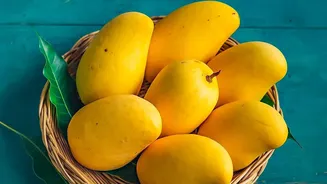
In late July 2026, a one-metric-tonne consignment of Neelam and Totapuri mangoes made its way from Karnataka to the Maldives. This wasn't just any fruit export; it was the first-ever air shipment of these specific late-season varieties to the island nation,
a move facilitated by the Agricultural and Processed Food Products Export Development Authority (APEDA). The shipment, sourced directly from farmers in the Kolar district, represents a significant step in connecting regional Indian growers with new international customers. Flagged off by APEDA's chairman, the initiative is part of a deliberate push to strengthen India’s mango export basket and create new opportunities beyond the traditional peak season.
The Value of Being Different
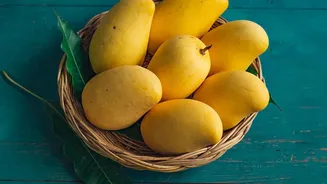
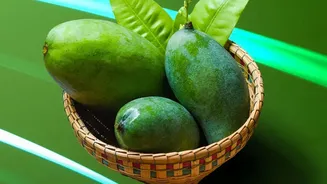
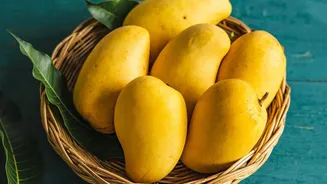
What makes varieties like Neelam and Totapuri so important? Their primary advantage is their harvest time. While most Indian mango exports occur during the peak season from April to June, these varieties are harvested from late June through the end of July. This extends India’s presence in the global mango market, allowing it to cater to international demand for a longer period. Neelam mangoes are prized for their sweet, juicy pulp and rich aroma, while the distinctively shaped Totapuri has a sweet-tangy flavour that makes it versatile for both fresh eating and processing. By focusing on these unique, regional specialties, exporters can offer something different and avoid competing solely on volume during peak months.
From Local Farm to Global Market
The logistical chain behind this shipment is a crucial part of the story. The mangoes were procured directly from farmers associated with the Prakruthimaya Farmers Producer Company (FPC) in Kolar. This direct sourcing model is key to improving farmer incomes. By connecting the FPC with the exporter, M/s Ahalya Devi Ventures, the system bypasses multiple layers of intermediaries. The result, according to the Ministry of Commerce and Industry, is that participating farmers earned over 50% higher returns compared to selling through conventional domestic channels. This approach not only boosts farmer livelihoods but also ensures better traceability and quality control, which are critical for international buyers.
Why Air Freight is a Game Changer
For high-value, perishable goods like mangoes, speed is everything. Traditional sea freight, while cheaper, is too slow to deliver fresh fruit to distant markets in optimal condition. Air freight is the solution. It allows produce harvested in India to be on supermarket shelves across the world within days, preserving its freshness, flavour, and value. While more expensive, air cargo opens up premium markets that are willing to pay for quality. This shipment demonstrates a viable model for exporting delicate horticultural products, proving that with the right logistics and partnerships, India's farmers can compete on the global stage. It's a strategy that turns a fragile fruit into a high-value export commodity.
A Blueprint for Indian Agri-Exports
This mango shipment is more than an isolated success; it serves as a blueprint for the future. APEDA and other government bodies are actively working to identify and promote regional and GI-tagged products from across the country. Similar initiatives have seen GI-tagged produce like Nanjangud bananas and Mysore betel leaves from Karnataka find new markets. The success with late-season mangoes shows how diversifying the export basket—both in terms of products and seasonality—can build a more resilient and profitable agricultural export economy. By empowering Farmer Producer Companies, investing in supply chain infrastructure, and forging direct international links, India can turn its incredible agricultural biodiversity into a major economic strength.