

Choosing the Right Pot and Plant
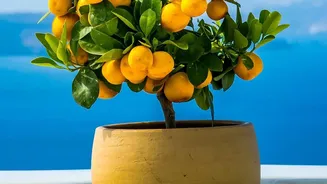
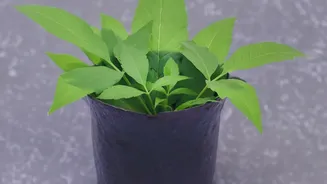
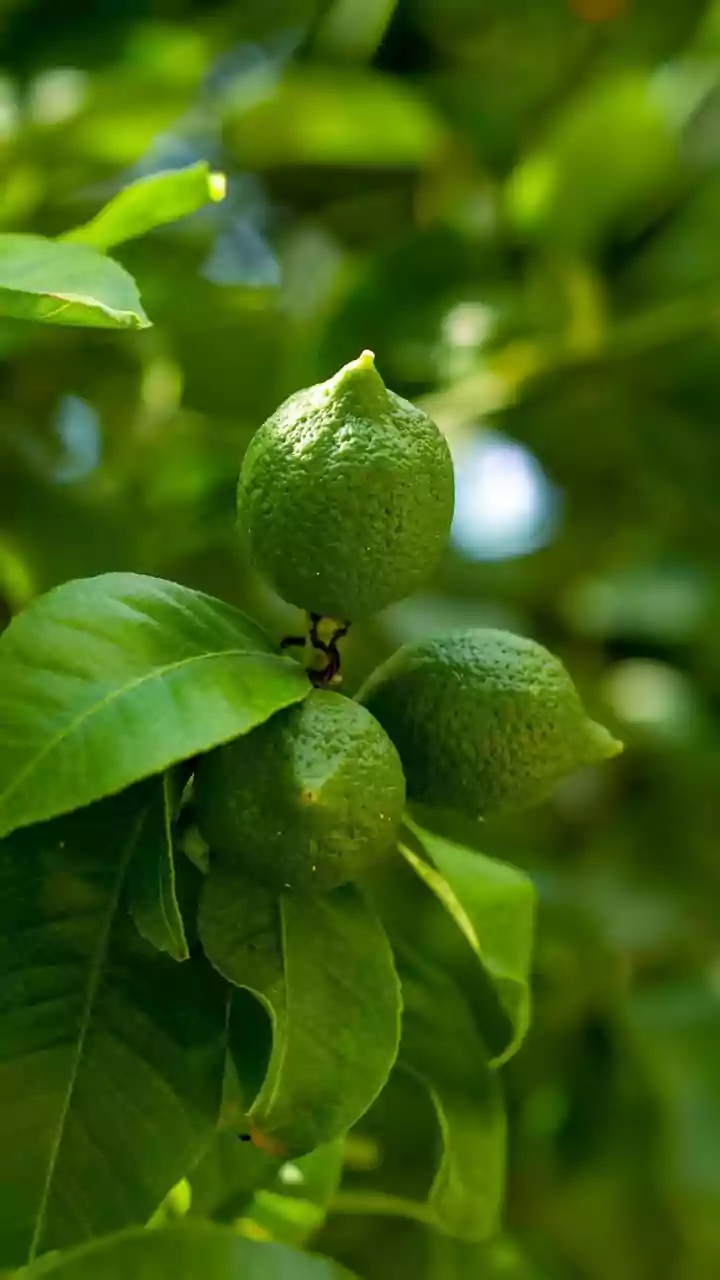
Your journey begins with selecting the right foundation. For Indian climates, varieties like 'Improved Meyer' or 'Kagzi Nimbu' are excellent choices as they are prolific fruit-bearers and adapt well to containers. When choosing a pot, think big. Start
with one that is at least 18-24 inches in diameter and depth to give the roots ample room to grow. Terracotta or ceramic pots are ideal because they are porous, allowing the soil to breathe. Most importantly, ensure the pot has several drainage holes at the bottom. Without proper drainage, water can accumulate and cause root rot, a common issue, especially during monsoon season.
The Perfect Soil Mix
Lemon trees are particular about their soil. They thrive in a well-draining, slightly acidic medium. Standard garden soil is too dense and will compact in a pot, suffocating the roots. You can buy a pre-made citrus potting mix or create your own superior blend. A highly effective DIY mix combines equal parts garden soil, compost, and a material that improves drainage like coarse sand or cocopeat. For an even lighter mix, some experts suggest a formula of 50% garden soil, 20% cocopeat, 20% vermicompost, and 10% sand. This creates a light, airy environment that lemon tree roots love.
Sunlight: The Key Ingredient
Lemon trees are sun worshippers. To flower and produce fruit, they need at least six to eight hours of direct, bright sunlight every day. A south-facing balcony or terrace is the perfect spot. If you live in a region with intensely hot summers, your plant may benefit from some protection against the harsh midday sun to prevent leaf scorch. After first potting your plant, keep it in a semi-shaded area for a week or two to help it acclimate before moving it into full sun.
Watering Wisdom
Watering is a balancing act; both too much and too little can stress the plant. The golden rule is to check the soil. Stick your finger about two inches deep; if the soil feels dry at that depth, it’s time to water. When you do water, do it thoroughly until you see water running out of the drainage holes. This ensures the entire root ball is hydrated. Potted plants dry out faster than those in the ground, so you may need to water every two to three days in summer, and less frequently in winter. During heavy monsoons, be extra cautious and check the soil moisture before watering, as overwatering is a significant risk.
Feeding Your Tree for More Fruit
Growing in a pot means your lemon tree relies entirely on you for its nutrients. They are heavy feeders, especially during their active growing season (spring through summer). Use a balanced fertilizer formulated specifically for citrus trees, which will be higher in nitrogen. An NPK ratio like 6-3-3 is often recommended. Fertilize every four to six weeks during the growing season, but reduce feeding in the winter when the plant's growth slows down. Always water the plant before and after applying fertilizer to avoid burning the roots.
Pruning for Health and Harvest
Pruning keeps your potted lemon tree a manageable size and encourages it to be more productive. The best time to prune is in the late winter or early spring, just before the new flush of growth begins. The goal is to create an open canopy that allows light and air to circulate. Start by removing any dead, damaged, or diseased branches. Also, trim away any crossing branches or weak, spindly growth. To maintain a compact shape, you can trim the tips of the main branches, which encourages bushier growth. Never remove more than one-third of the plant's canopy in a single year.
Pest and Disease Management
Keep a close eye on your plant to catch any issues early. Common pests in India include citrus leaf miner, which creates silvery trails on leaves, and citrus psylla. Mealybugs, which look like small cottony spots, can also be a problem. Many pests can be managed by spraying the plant with a solution of neem oil and water. For fungal issues like sooty mould, which often appears as a black coating on leaves, addressing the root cause—usually sap-sucking insects like aphids or scale—is key. Maintaining good air circulation through pruning can also help prevent many diseases.