
More Than a Countdown
World Space Week is an annual United Nations-declared event celebrating the contributions of space science and technology to humanity. The dates themselves are historic, marking the launch of the first satellite, Sputnik 1, on October 4, 1957, and the entry
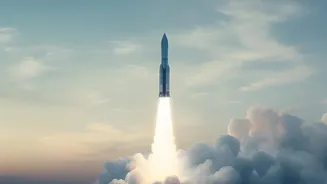
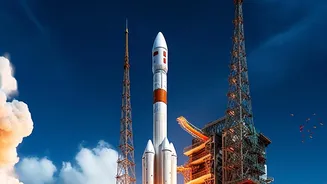
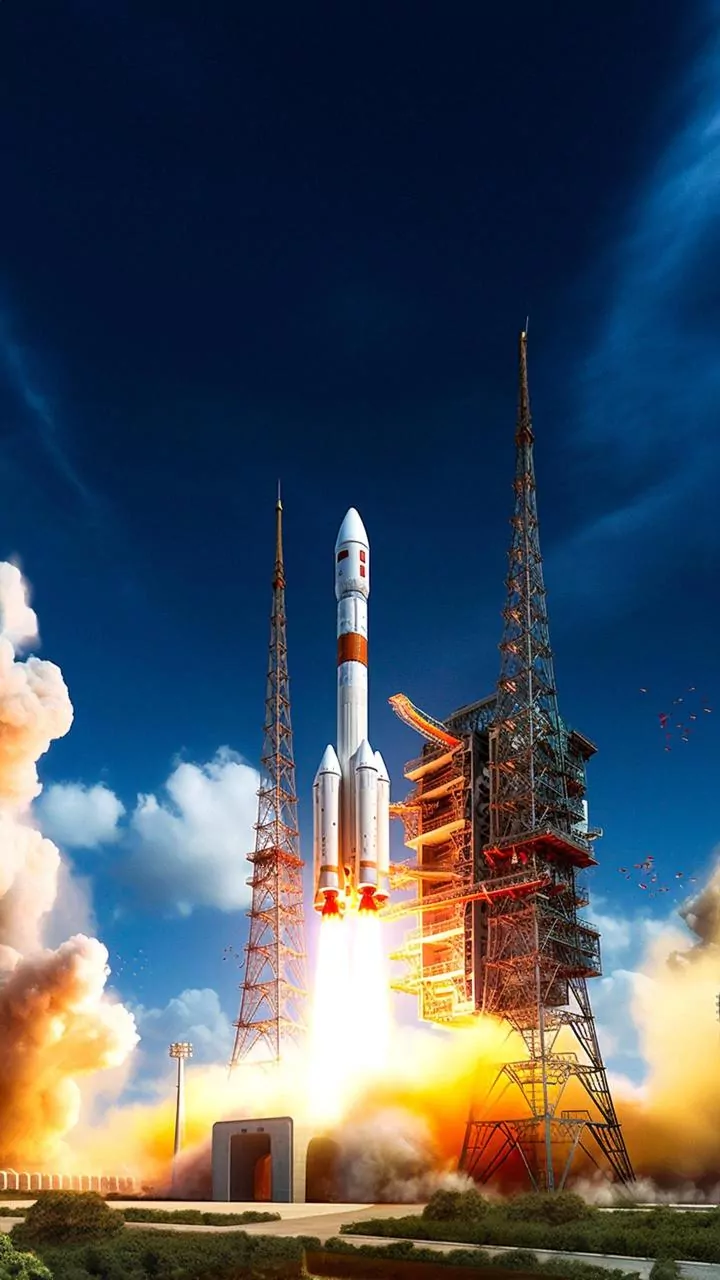
into force of the Outer Space Treaty on October 10, 1967. Each year, a theme guides the global activities, and for 2026, ‘Rocket Revolution’ puts the spotlight on the dramatic transformation in launch technology. This isn’t just about the biggest and most powerful engines; it’s about how reusable boosters, smaller launch vehicles, and new commercial players are making space more accessible than ever before. The goal is to show that space is no longer the exclusive domain of a few government agencies but an expanding frontier for universities, startups, and even students.
Why Rockets Capture the Imagination
There's a reason rockets are such a powerful hook for education. They are a tangible, thrilling example of science in action. The principles that govern a rocket launch—thrust, gravity, and aerodynamics—are core concepts in physics, technology, engineering, and mathematics (STEM). By focusing on rocketry, educators can move beyond abstract theories and give students a hands-on challenge. Building and launching a model rocket, for instance, requires applying principles of design, calculating trajectories, and problem-solving when things don't go as planned. This process makes complex ideas like Newton's Laws of Motion feel immediate and exciting. The theme ‘Rocket Revolution’ is designed to leverage this excitement, encouraging activities that explore not just how rockets work, but the economics of reusability and the engineering behind new, more efficient launch systems.
Bringing the Revolution to India
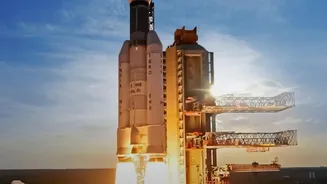
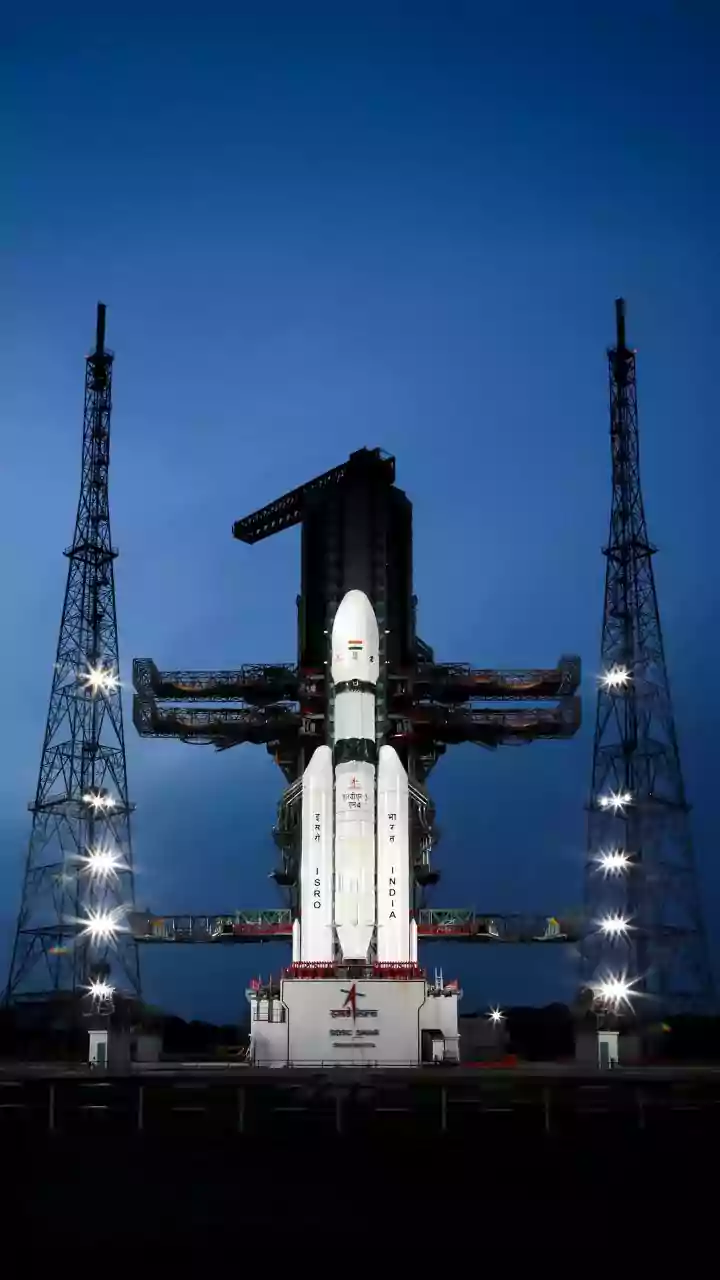
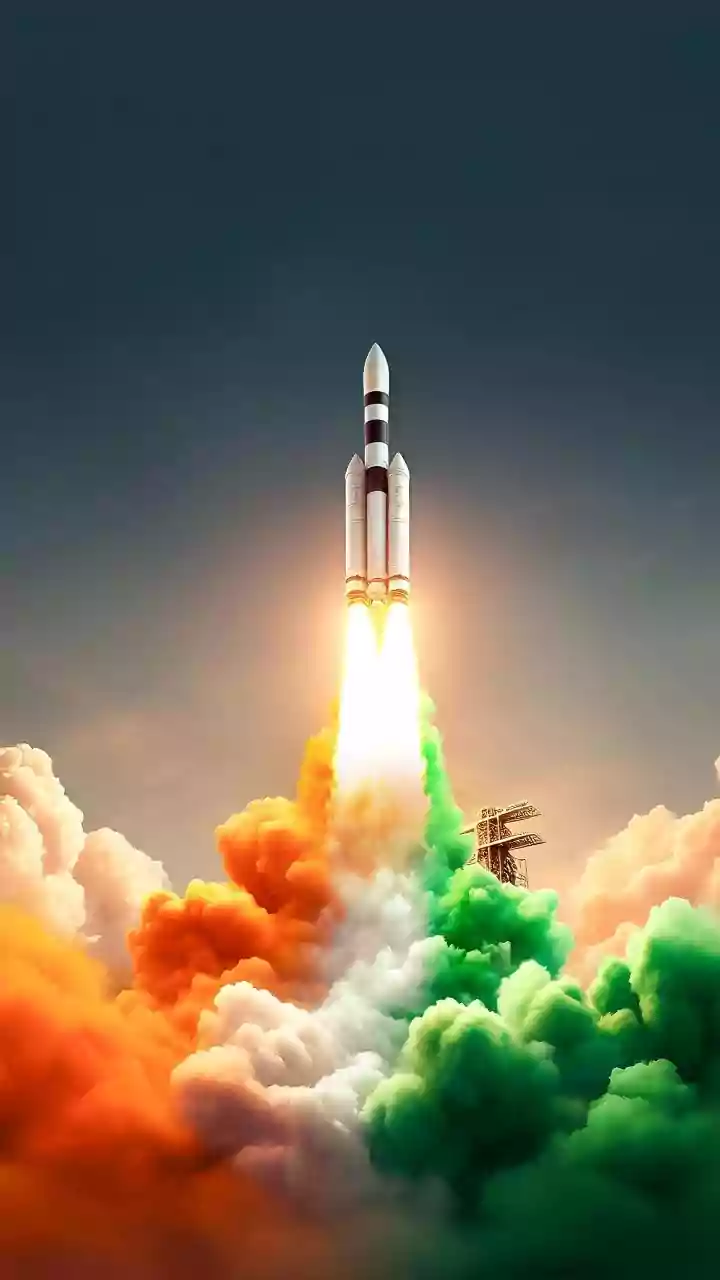
In India, where ISRO's achievements are a source of immense national pride, this theme resonates deeply. Various institutions across the country are participating with workshops, competitions, and lectures. For instance, the Department of Aerospace Engineering at SRMIST is hosting a series of events including a rocketry workshop, a conceptual design competition focused on the future of space propulsion, and expert lectures. ISRO centres like the Vikram Sarabhai Space Centre (VSSC) are jointly organising celebrations in Kerala, with lectures by scientists for students across the state. Other organisations, like the Regional Science Centre in Bhubaneswar, are holding model rocketry workshops and water rocket demonstrations to engage students. These events provide a direct line from classroom learning to the real-world applications seen in India's own space program, inspiring students to see a future for themselves in the nation's growing aerospace sector.
Building the Next Generation of Innovators
The ultimate goal of World Space Week is to build the workforce of tomorrow. By making rocket technology the entry point, organisers hope to spark a lifelong interest in STEM. The ‘Rocket Revolution’ theme perfectly frames this ambition. It’s not just about celebrating past achievements; it’s about participating in a current, ongoing transformation. Students are encouraged to think about the challenges of today: How do we make launches cheaper and more sustainable? What new industries become possible when access to space is more frequent and affordable? Educational partners have developed toolkits with activities for classrooms and clubs that focus on these very questions, including the engineering challenges of reusable launch vehicles. The hands-on nature of building, designing, and launching rockets fosters critical thinking, teamwork, and resilience—skills essential for any future scientist or engineer.