






The Schengen Zone: Understanding the New Systems
Many travellers have heard about the upcoming European Travel Information and Authorisation System (ETIAS), set to be implemented around late 2026. However, there is widespread confusion about who it applies to. To be clear, ETIAS is a pre-travel authorisation
for citizens of countries that are visa-exempt for the Schengen Area, such as the USA or Australia. Since Indian passport holders require a visa to enter the Schengen zone, ETIAS does not apply to them. Indians will still need to go through the standard process of applying for a Schengen visa from the relevant embassy or consulate. The actual change affecting Indian travellers is the new Entry/Exit System (EES). This system, which is being rolled out across the Schengen Area, replaces manual passport stamping with a digital process. At the border, your fingerprints and a facial image will be captured and logged electronically. This will automate the tracking of the 90-day stay limit within any 180-day period. So, while your visa application process remains the same, your experience at the border will be different. The Schengen Area includes 29 countries like France, Germany, Italy, Spain, Switzerland, and the Netherlands.
The United Kingdom: An eVisa, Not an ETA
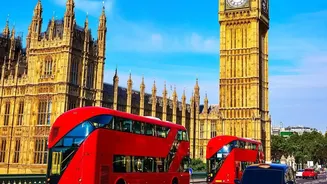
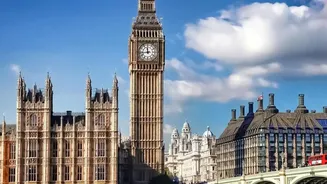
Similar to Europe's ETIAS, the UK has introduced an Electronic Travel Authorisation (ETA). And just like ETIAS, it does not apply to Indian citizens. The UK's ETA is exclusively for nationals from countries that do not need a visa for short visits, like Gulf countries and many European nations. Indian travellers must still apply for a Standard Visitor Visa to enter the UK. The significant change for Indians travelling to the UK is the move to a fully digital visa system. Since February 2026, the UK has made eVisas mandatory for Indian applicants. This means you will no longer receive a physical visa sticker (vignette) in your passport. Instead, your permission to travel is recorded digitally and linked to your passport. Airlines will verify this digital permission before you board, so it's crucial that your passport details are correct and match your eVisa record. While the application still involves submitting biometrics at a visa application centre, the final approval is entirely electronic. This change aims to streamline the process and enhance security, but it's a procedural shift every Indian traveller to the UK must be aware of.
Other Destinations with Recent Policy Changes
Beyond Europe and the UK, several other countries have adjusted their visa policies for Indian passport holders in 2026, making it essential to verify rules before booking. For instance, countries that previously offered visa-free or visa-on-arrival facilities have tightened their requirements. Iran, which had introduced a visa-free policy, has since suspended it for ordinary Indian passport holders. Similarly, the Cape Verde Islands (Cabo Verde) also removed its visa-on-arrival facility for Indians this year. These changes serve as a crucial reminder that visa policies are not static. Geopolitical factors, security concerns, and bilateral agreements can lead to sudden shifts. What was true last year may not be true today. This makes checking the most current information from an official source an indispensable part of planning any international travel.
Your Essential Pre-Travel Checklist
Navigating the world of international travel in 2026 requires more diligence than ever. To ensure a smooth journey, every Indian traveller should adopt a simple pre-booking checklist. First, and most importantly, always consult the official embassy or consulate website of your destination country for the latest visa requirements. This is the only source of truth. Second, check your passport's validity. Many countries require your passport to be valid for at least six months beyond your intended date of departure. A passport nearing its expiry date can result in denied entry. Third, understand the documentation needed for your specific visa type and prepare it well in advance. Finally, with rules in flux, consider booking flexible or refundable flights and accommodation where possible. A little extra spent on flexibility can provide peace of mind and save you from losing money if entry rules change unexpectedly. Staying informed is the best way to ensure your travel plans go off without a hitch.