
The Master Plan: Divide and Conquer
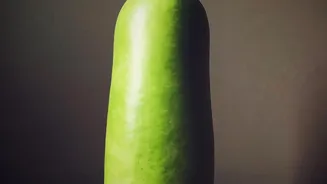
The humble bottle gourd is incredibly versatile, known as lauki, doodhi, or sorakaya depending on the region. Because of its high water content, it’s known for being light on the stomach and having a cooling effect, making it a staple in Indian households.
The key to using a whole one is to plan ahead. Mentally divide your gourd into three sections: the tender top half, the firmer bottom half, and the often-discarded peels and seeds. Before you start, always taste a tiny piece of the raw gourd. If it’s bitter, it should be discarded as it can be harmful. With a good one in hand, you have the foundation for a main course, a snack, and even a dessert, all from a single vegetable.
The Main Event: A Hearty Lauki Curry
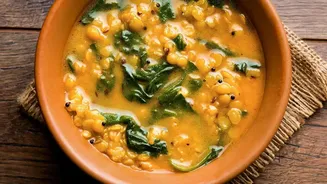
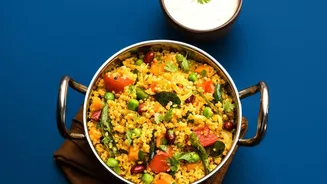
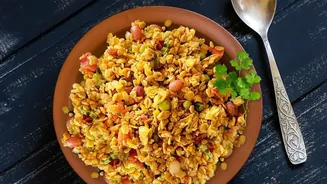
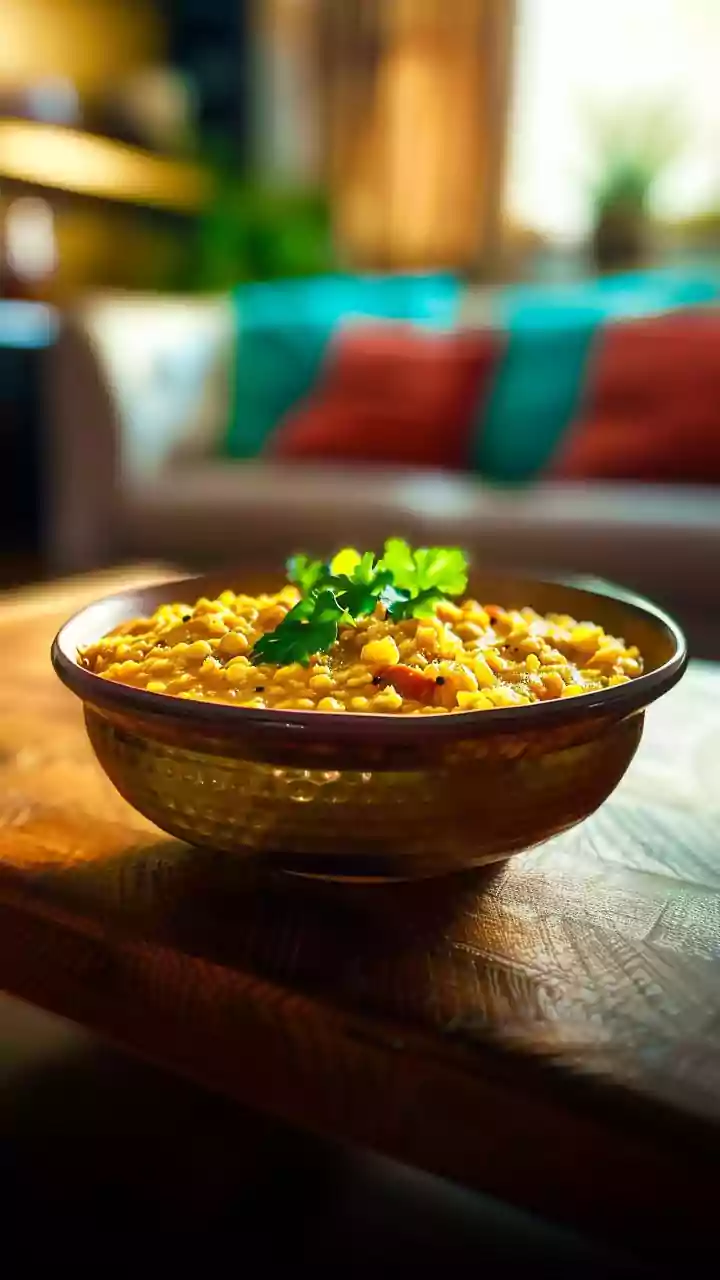
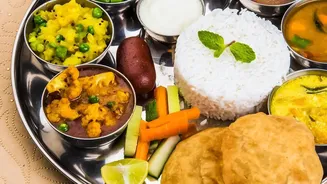
The most intuitive use for bottle gourd is a classic sabzi or curry. For this, the firmer flesh from the bottom half of the gourd is ideal as it holds its shape better when cooked. A popular and wholesome option is Lauki Chana Dal, a comforting curry made with split Bengal gram. The dal provides protein and texture that complements the soft, mild flavour of the lauki. Simply pressure cook the soaked dal and cubed lauki together with turmeric and salt, then prepare a tempering of cumin seeds, ginger, tomatoes, and other spices to create a nourishing meal that pairs perfectly with roti or steamed rice. This simple, homestyle dish is a staple in many North Indian homes for a reason.
The Savoury Snack: Crispy Koftas or Theplas
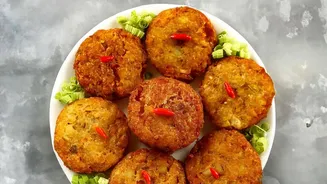
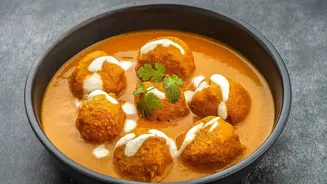
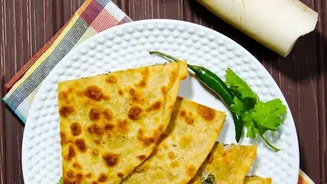
The tender top half of the gourd is perfect for grating. Once grated, squeeze out the excess water (but save it for the curry!) and you have the base for delicious snacks. One of the most beloved preparations is Lauki Kofta. Mix the grated lauki with gram flour (besan) and spices, form small balls, and then deep-fry or air-fry them until golden. These koftas can be enjoyed on their own or dunked into a light, tangy tomato-based gravy. Another fantastic option is to add the grated lauki to flour to make soft, nutritious theplas or parathas. The moisture from the gourd keeps the flatbreads soft, making them great for tiffins.
The Surprise Sweet: A Decadent Halwa
Perhaps the most surprising transformation for bottle gourd is turning it into a dessert. Lauki ka Halwa is a classic Indian sweet where the vegetable’s mild taste allows it to beautifully absorb the flavours of milk, sugar, and cardamom. For this, you’ll need more grated lauki. First, sauté the grated gourd in ghee until the moisture evaporates. Then, cook it with milk until it thickens, finally adding sugar, cardamom powder, and nuts. The process takes some time and patience, as the milk needs to reduce and thicken, but the result is a unique and delightful dessert that is a festive favourite and can even be prepared for religious fasting days like Navratri.
The Zero-Waste Extras: Peels and Raita
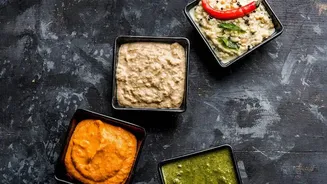
Don't throw away the peels! Bottle gourd peels are edible and a good source of dietary fibre. They can be used to make a flavourful chutney. Simply stir-fry the peels with some spices, maybe a little onion and garlic, and then grind them into a paste. It’s a delicious way to practice zero-waste cooking. If you have any leftover grated lauki, you can easily whip up a cooling Lauki Raita. Just blanch the grated vegetable, squeeze out the water, and mix it into spiced yogurt. It serves as a refreshing condiment that can accompany any Indian meal, especially biryanis and pulaos.