




Maximizing Joy, Not Just Space
In many contemporary urban apartments, floor space is the ultimate luxury. This is where DIY decor truly shines, allowing for beautiful, festive touches that work vertically and in unused corners. Instead of bulky, store-bought items, think of decorations
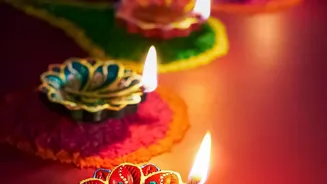
that draw the eye upward and outward. Handmade 'torans'—traditional door hangings made from marigold flowers, mango leaves, or even colorful paper—instantly signal celebration at the entrance without taking up a single square foot of living area. Another brilliant space-saving tradition is 'rangoli,' intricate patterns made on the floor near the entrance. While traditional versions use colored powders, modern adaptations for small homes include using flower petals, colored rice, or even reusable stick-on versions that provide the same welcoming effect without the mess or permanence.
Creativity Thrives on a Budget
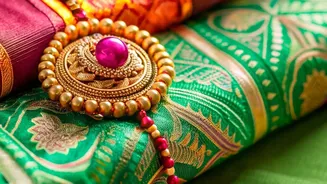
One of the most compelling reasons for the rise of DIY festive decor is its affordability. Festivals can be expensive, but decorations don't have to be. With a little imagination, everyday items can be transformed into stunning pieces. Old glass jars can become intricate lanterns with a bit of paint or by wrapping them in colorful string. Colorful dupattas or old sarees, with their rich fabrics and patterns, can be repurposed as vibrant backdrops, table runners, or drapes. Even something as simple as a bowl of water can become a stunning centerpiece. Known as an 'urli', a shallow bowl filled with water, floating candles, and scattered flower petals creates an elegant and serene focal point for a coffee table or entryway.
Connecting with Culture and Family
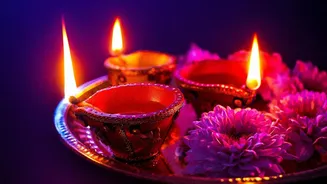
Beyond the practical benefits, making decorations by hand is a powerful way to connect with cultural traditions. The act of stringing flowers for a garland or shaping clay into 'diyas' (small oil lamps) is a ritual in itself. It turns decoration from a chore into a meaningful activity, often involving the entire family. Children can help create simple paper torans or paint diyas, making memories while learning about the symbolism behind these traditions. This personal touch is something money can't buy. A handmade item, with all its imperfections, often carries more emotional weight and tells a richer story than a mass-produced equivalent, embodying the very spirit of togetherness that festivals celebrate.
The Sustainable Celebration
In an era of increasing environmental awareness, DIY decor offers a wonderfully sustainable alternative to plastic-heavy, single-use decorations. Traditional Indian decor has always been eco-friendly at its core, relying on natural and biodegradable materials. Using fresh flowers, leaves, clay lamps, and organic powders for rangoli ensures that the festive cleanup is gentle on the planet. Upcycling materials like old fabrics, newspapers, and glass bottles also helps reduce waste. By choosing to make your own decor, you are not only saving money and personalizing your space but also making a conscious choice to celebrate in a more environmentally responsible way.
Easy Ideas to Get You Started
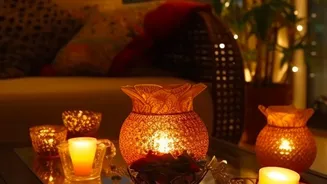
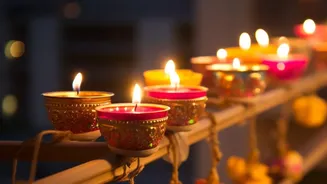
Feeling inspired? Starting your DIY journey is simple. Try making a classic marigold and mango leaf toran by threading fresh flowers and leaves onto a string. Create a simple rangoli at your doorstep using rice flour, which can be colored with turmeric for yellow and kumkum for red. For a touch of light, paint simple terracotta diyas or place tea lights in decorated mason jars. These small, achievable projects require minimal materials but deliver maximum festive impact, proving that a beautiful home celebration is about ingenuity, not expense.