




The Great Indian Escape
For generations, hill stations like Shimla, Mussoorie, Nainital, and Darjeeling have represented a cherished escape from the heat and chaos of the plains. Originally developed as summer capitals and sanatoriums during the British Raj, these towns were
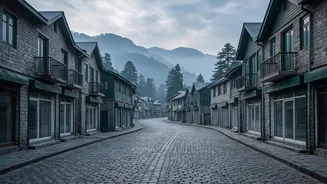
built for small, elite populations. Their colonial architecture, winding mall roads, and lush landscapes became ingrained in the national imagination as places of peace and rejuvenation. This allure has only intensified, fueled by rising incomes, better road connectivity, and a collective urge to travel. However, the infrastructure of these towns was never designed to handle the millions of visitors they now receive annually.
Gridlock at High Altitudes
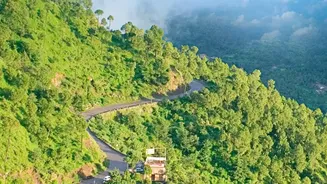
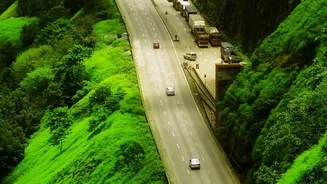
The most visible symptom of this strain is the crippling traffic. Narrow mountain roads, not built for today's volume of cars, are frequently choked with bumper-to-bumper gridlock, turning a two-hour journey into an eight-hour ordeal. Manali, in particular, has become synonymous with traffic jams, especially on the route to the Rohtang Pass, where thousands of vehicles head daily during peak season. In Nainital, authorities have been forced to stop tourist vehicles from even entering the town on crowded weekends. This constant congestion not only frustrates tourists but also fills the once-fresh mountain air with pollution, while disrupting the daily lives of local residents.
The Environmental Toll
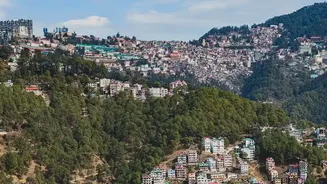
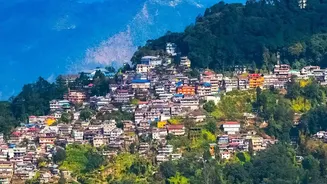
Beyond the traffic, a deeper environmental crisis is unfolding. The massive influx of tourists puts immense pressure on finite natural resources, especially water. Shimla, a town built for 25,000 people but now housing a population of over 300,000, has faced severe water crises, sometimes forcing residents to appeal to tourists to stay away. The problem is worsened by large-scale deforestation and unplanned construction, which disrupt natural springs and groundwater recharge. Waste management is another critical issue. Piles of plastic bottles, food wrappers, and other non-biodegradable garbage are a common sight on trails and in riverbeds, choking the fragile Himalayan ecosystem.
A Concrete Transformation
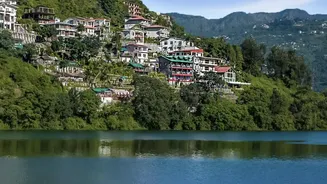
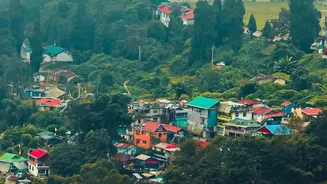
The quaint charm that defined these towns is rapidly eroding under a wave of concrete. To cater to the ever-growing demand, forests are cleared and hillsides are cut to make way for a proliferation of hotels, guesthouses, and resorts. Much of this construction is unplanned and flouts safety norms, destabilising fragile slopes and increasing the risk of landslides, as tragically seen in recent events in Himachal Pradesh. This unregulated development not only scars the landscape but also transforms authentic local culture into a commercialized product, where traditions are packaged for tourist consumption.
The Search for a Sustainable Future
The situation presents a difficult paradox: the tourism that threatens to destroy these towns is also the backbone of their economy. Recognizing this, there is a growing conversation around finding a more sustainable path forward. Some proposed solutions include restricting the number of vehicles entering sensitive areas, promoting off-season travel, and developing lesser-known 'off-beat' destinations to distribute the tourist load. There is also a push towards responsible tourism, encouraging travelers to choose eco-friendly homestays, hire local guides, and minimize their plastic footprint. Initiatives led by local communities aim to create a model of tourism that is both economically viable and environmentally conscious.