







The Indian Reality: A Complex Annual Ritual
For most salaried individuals and businesses in India, the financial year is punctuated by the meticulous process of filing income tax returns. It involves understanding progressive tax slabs, claiming deductions under various sections, calculating capital
gains, and ensuring all sources of income are declared accurately. This annual exercise, while crucial for nation-building, is often seen as a complex and time-consuming affair, requiring careful documentation and, for many, the help of a chartered accountant.
The Monaco System: A World Without Income Tax
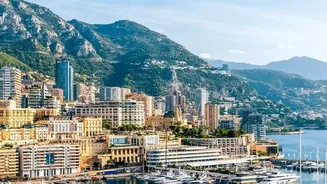
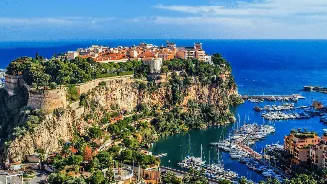
In stark contrast, residents of Monaco have not been subject to personal income tax since 1869. This rule applies to income from salaries, investments, dividends, and capital gains. Imagine a world with no Form 16, no tax deductions to claim, and no labyrinth of tax laws to navigate for your personal earnings. This policy has made the small nation on the French Riviera a magnet for high-net-worth individuals from around the globe seeking to legally minimise their tax burdens.
So, How Does the Government Make Money?
If residents don't pay income tax, how does Monaco fund its public services, infrastructure, and famously high standard of living? The government relies on a few key revenue streams. The most significant is Value Added Tax (VAT), which is levied on goods and services at rates aligned with France, with a standard rate of 20%. Another major source is corporate tax, which is set at 25%. However, this tax generally only applies to businesses that earn more than 25% of their revenue outside of Monaco. Revenue from state-owned enterprises, including its famous casinos, real estate transaction duties, and stamp duties also contribute significantly.
The Catch: Becoming a Resident Isn't Easy
Before you pack your bags, it's important to understand that becoming a resident of Monaco is a highly selective process. Prospective residents from non-EU countries like India must first secure a long-stay visa from France. The core requirements include proving you have a place to live (by either renting or buying property), demonstrating you have sufficient financial resources to support yourself, and having a clean criminal record. A key step involves opening a bank account in Monaco and depositing a substantial sum, often cited to be at least €500,000, to prove financial self-sufficiency. The entire process is designed to attract affluent and respectable individuals.
Exceptions and Nuances to the Rule
The 'no income tax' rule isn't absolute for everyone. Due to a bilateral treaty signed in 1963, most French citizens residing in Monaco are still subject to French income tax, preventing them from using the principality as a tax shelter. Furthermore, while Monaco residents don't pay income tax locally, they can be subject to high withholding taxes on income from countries with which Monaco does not have a double taxation agreement. For Indian citizens living in tax-free countries like Monaco, recent Indian tax law changes mean that if they have Indian income over a certain threshold (INR 1.5 million), they may still fall under the Indian tax net as a 'deemed resident'.