
A Terrifying Jolt Over the Andaman Sea
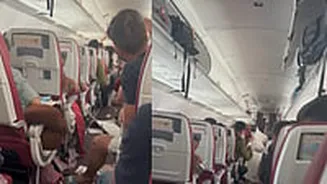
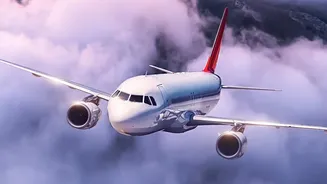
On August 4, 2026, Air India flight AI2379 from Phuket to Delhi was cruising smoothly when it suddenly encountered severe turbulence. The aircraft reportedly dropped around 300 feet in an instant, causing chaos in the cabin. Passengers and crew who were
not secured were thrown against the ceiling, resulting in significant injuries. In total, 17 people—13 passengers and four crew members—required hospitalisation for injuries ranging from head and back trauma to cuts and bruises. Passenger accounts describe a terrifying few seconds of weightlessness followed by a hard impact. The incident, which is now under investigation by the Directorate General of Civil Aviation (DGCA), serves as a stark reminder of the unpredictable nature of air travel.
The Invisible Danger: Clear Air Turbulence
The incident aboard AI2379 was attributed to Clear Air Turbulence, or CAT. Unlike the turbulence associated with stormy weather, CAT occurs in cloudless skies and is invisible to the naked eye and conventional weather radar. It is typically found at high altitudes where commercial jets cruise, often near jet streams—fast-moving rivers of air. CAT is caused by the meeting of bodies of air moving at vastly different speeds, creating violent, erratic currents. Pilots have little to no warning of its presence, meaning the 'Fasten Seat Belt' sign may only illuminate after the initial, most violent jolt. Aviation experts note that CAT is the leading cause of nonfatal injuries on commercial flights.
The Simple Physics of a Fall
During severe turbulence, an aircraft can experience rapid and extreme changes in altitude. For an unbuckled passenger, the laws of physics are unforgiving. When a plane drops suddenly, a person not attached to the aircraft continues to move in their previous trajectory for a moment due to inertia. Then, gravity takes over. This results in the person being flung upwards towards the cabin ceiling. When the aircraft stabilises or moves upwards again, the person falls back down, risking serious injury from impact with seats, armrests, or the cabin floor. Injuries from such events can include broken bones, spinal damage, and severe head trauma. Almost all serious turbulence-related injuries happen to people who are not wearing their seat belts.
The View From The Cockpit
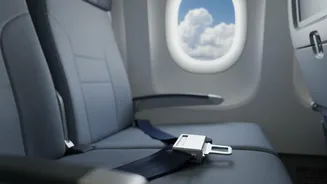
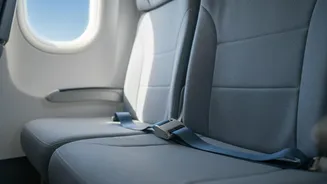
Pilots and cabin crew are unanimous in their advice: keep your seat belt fastened whenever you are seated. They are trained to anticipate and manage turbulence, using weather reports and communication from other aircraft to avoid the worst areas. However, the unpredictable nature of CAT means this is not always possible. When severe turbulence hits unexpectedly, the first priority for cabin crew is their own safety, so they can then assist others. The reality is that the 'Fasten Seat Belt' sign is a command, but the absence of the sign is not a guarantee of smooth air. The professional consensus is clear: the safest passenger is a belted passenger, regardless of what the sign says.
What Indian Regulations Say
India's aviation regulator, the DGCA, has clear rules. Passengers are required by law to be seated with their seat belts fastened whenever the sign is illuminated, including during taxi, takeoff, and landing. Following the investigation into the 2020 Air India Express accident in Kozhikode, the DGCA has placed an even greater emphasis on in-flight safety, including recommendations for Child Restraint Systems (CRS). While regulations do not mandate that passengers stay buckled throughout the entire flight, airlines are encouraged to promote the practice. The recent Air India incident will likely intensify calls for stronger recommendations and more direct communication to passengers about the very real risks of staying unbuckled during cruise flight.