



The Power of a Health Halo
Food packaging is designed to catch your eye and convince you to buy. Phrases like "high fibre," "multigrain," or "natural" create a "health halo" around a product. This makes us perceive the food as healthier than it might be, often leading us to overlook
other details like high sugar or sodium content. Fibre claims, in particular, are powerful because most people know fibre is good for them. It aids digestion, helps manage blood sugar levels, and keeps you feeling full. However, a vague phrase on the front of a box is marketing, not necessarily a marker of a truly healthy product.
Decoding Vague Front-of-Pack Claims
The Food Safety and Standards Authority of India (FSSAI) has rules for these claims. For a product to be called a “source of fibre,” it must contain at least 3 grams of fibre per 100 grams. To be labelled “high in fibre,” it needs to have at least 6 grams of fibre per 100 grams. While these regulations exist, the front-of-pack phrase doesn't tell you the whole story. A product might meet the minimum threshold to make a claim, but still offer significantly less fibre than a serving of whole foods like dal or a whole-wheat roti. The only way to know for sure is to ignore the flashy claims and become a label detective.
The Real Story Is on the Back
The most important tool you have is the Nutrition Information panel, usually found on the back or side of the package. Here, you'll find the facts without the marketing fluff. Look for the “Dietary Fibre” line, which is typically listed under “Total Carbohydrates.” The number you see here, in grams (g), is what truly matters. Pay close attention to the serving size mentioned at the top of the panel. All the nutritional values are based on that specific amount. If you eat more than the suggested serving, you'll need to multiply the fibre content accordingly to get an accurate picture of your intake.
So, What's a Good Fibre Number?
According to Indian dietary guidelines, adult men should aim for about 30-38 grams of fibre per day, while women need around 25 grams. Most Indians, however, consume far less than this, often only 10-15 grams daily. When looking at a food label, a product with 3 grams of fibre per serving can be considered a "source of fibre." Anything with 5 or more grams per serving is a genuinely good, or "high-fibre," choice. Comparing this number across different brands of bread, cereals, or snacks can help you make a genuinely healthier choice.
Don't Forget the Unpackaged Heroes
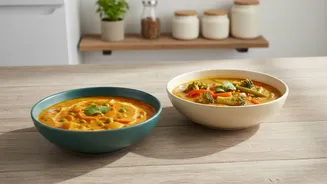
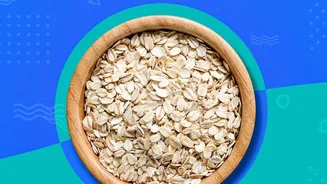
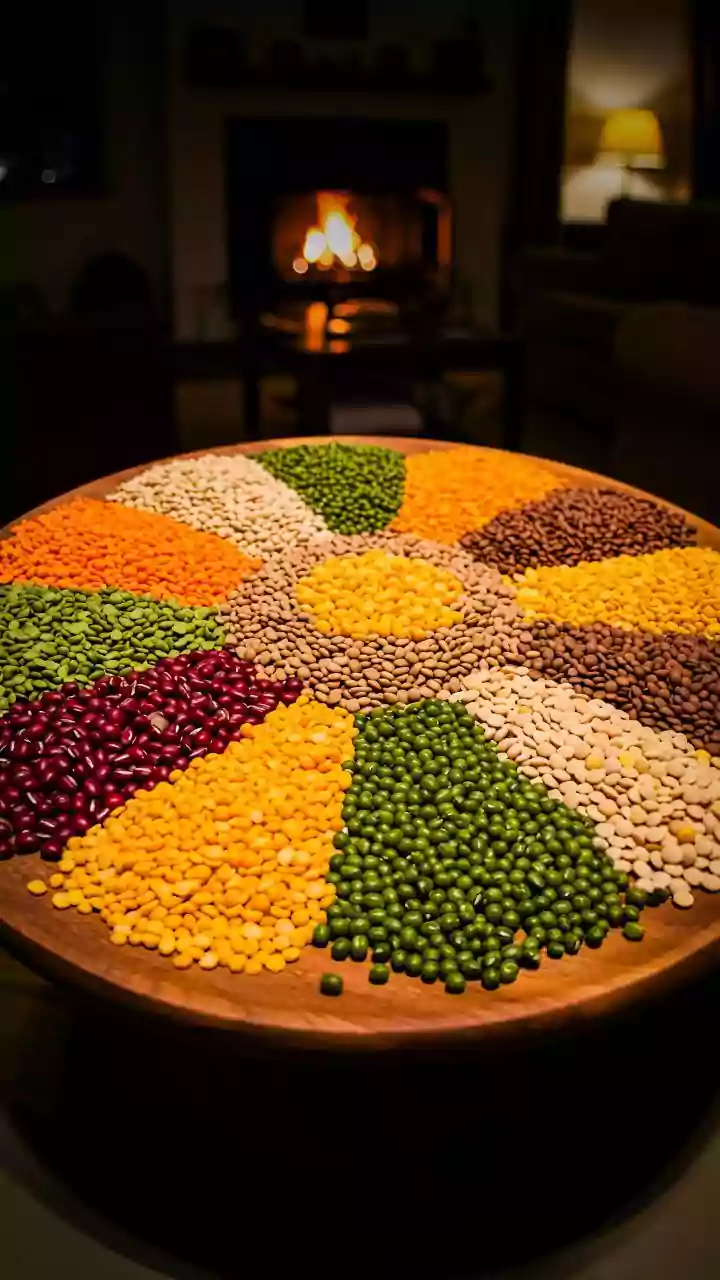
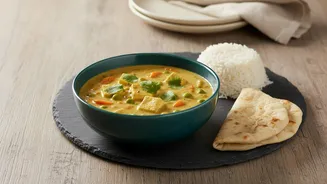
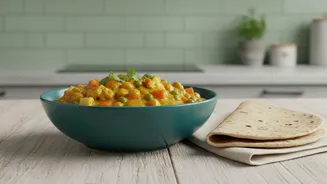
While checking labels on packaged foods is a crucial skill, remember that the best sources of fibre often don't come in a box. Traditional Indian staples are fibre powerhouses. Lentils (dals), legumes like chickpeas (chana) and kidney beans (rajma), whole grains like millet (bajra, jowar) and whole wheat (atta), and a wide variety of vegetables and fruits are packed with both soluble and insoluble fibre. Including a bowl of dal, a serving of vegetable sabzi, and a whole-wheat roti in your meal is a surefire way to significantly boost your daily fibre intake naturally.