







Fatty Fish for Omega-3 Power
Fatty fish like salmon, mackerel, and sardines are premier sources of omega-3 fatty acids, specifically EPA and DHA. These compounds are renowned for their potent anti-inflammatory properties. They work by helping to reduce the body's production of inflammatory chemicals
such as cytokines. Regular consumption has been linked to decreased morning stiffness and joint pain, particularly for those with rheumatoid arthritis. Omega-3s also help lubricate the joints by maintaining the synovial fluid, which ensures smoother movement and less friction. For vegetarians, sources like flaxseeds, chia seeds, and walnuts offer a plant-based form of omega-3s.
Colourful Fruits and Berries
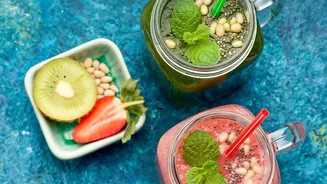
A diet rich in colourful fruits is a feast for the eyes and a shield for your joints. Berries like blueberries, strawberries, and raspberries are loaded with antioxidants and compounds called polyphenols. One key group of these compounds is anthocyanins, which give berries their vibrant red and blue hues and have been shown to significantly reduce inflammation. These antioxidants combat oxidative stress, a process that can damage cells in your joint tissues. Including a variety of fruits like oranges, pineapples, and tomatoes provides a broad spectrum of vitamins, especially Vitamin C, which is crucial for building and repairing joint cartilage.
Leafy Green and Cruciferous Vegetables
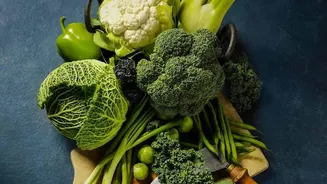
Green vegetables are nutritional powerhouses for joint health. Leafy greens like spinach and kale are packed with antioxidants and vitamins. Cruciferous vegetables such as broccoli, cauliflower, and cabbage contain a compound called sulforaphane. Research suggests that sulforaphane may help to block enzymes that cause joint destruction and inflammation, potentially slowing the progression of conditions like osteoarthritis. Aiming for a variety of these vegetables ensures you get a wide range of nutrients that support overall health and help keep inflammatory responses in check.
The Golden Spice: Turmeric and Ginger
Used in Indian kitchens for centuries, turmeric and ginger are more than just flavour enhancers. Turmeric's active compound, curcumin, is a powerful anti-inflammatory agent that has been studied extensively for its ability to relieve pain, especially from arthritis. Ginger contains compounds like gingerol and shogaol, which also help reduce inflammation and swelling in the joints. Combining these two spices may even amplify their benefits. A warm cup of turmeric and ginger tea or adding them generously to your daily cooking can be a simple, effective way to support your joints.
Nuts, Seeds, and Healthy Fats
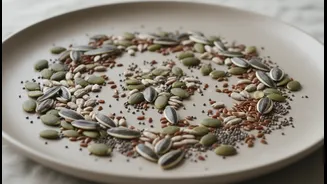
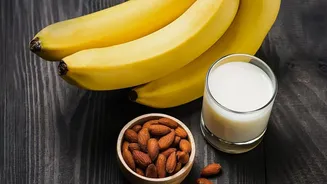
Don't shy away from fats, as long as they are the right kind. Nuts and seeds, including almonds, walnuts, and chia seeds, are excellent sources of anti-inflammatory monounsaturated and polyunsaturated fats. They provide a satisfying crunch while delivering antioxidants and omega-3s. Extra virgin olive oil is another cornerstone of an anti-inflammatory diet. It contains oleocanthal, a natural compound that has been shown to work similarly to some anti-inflammatory medications. Using olive oil as your primary cooking fat and snacking on a handful of nuts can contribute positively to your joint health.
Whole Grains for Sustained Benefits
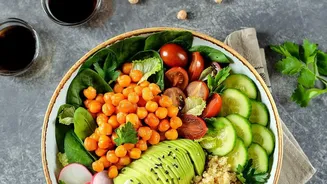
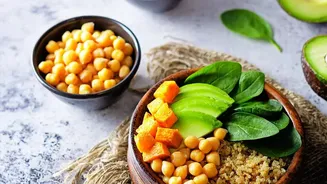
While refined grains like white bread and pasta can contribute to inflammation, whole grains have the opposite effect. Foods like oats, brown rice, quinoa, and whole-wheat bread are rich in fibre. Studies have shown that a high-fibre diet can help lower levels of C-reactive protein (CRP), a key inflammatory marker in the blood. By helping to regulate your body's inflammatory response, incorporating whole grains into your meals provides sustained energy and supports a healthier internal environment for your joints to thrive.