

The Rush vs. The Reward
Modern tourism can often feel like a race to check boxes. You sprint through museums and snap photos of landmarks, only to feel like you need a vacation from your vacation. Slow travel is the antidote. It’s a philosophy that prioritizes depth over distance
and connection over consumption. Instead of seeing five cities in five days, you might spend a week in one region, immersing yourself in the local rhythm. The focus shifts from what you can see to what you can experience: the morning chatter at a local bakery, the specific shade of a fjord at sunset, the story behind a hand-knitted sweater. This approach not only reduces stress but also fosters a more sustainable and authentic way of seeing the world.
Røros, Norway: A Living Museum
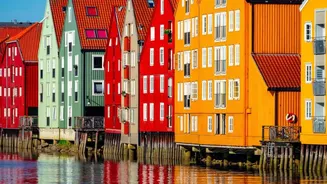
Imagine a town where the streets are a UNESCO World Heritage site and history isn't confined to a museum—it's the very air you breathe. Welcome to Røros, a former copper mining town in central Norway. Founded in 1644, its townscape is a beautifully preserved collection of 18th and 19th-century wooden houses. Unhurried travel here means wandering through its narrow streets, where every building has a story. You can explore the old slag heaps left from centuries of mining, which form dramatic, dark hills against the sky. Instead of rushing, you can take a guided historical walk, visit small artisan workshops, and enjoy locally sourced food—a cornerstone of the Røros identity. In winter, the town famously allows snow to blanket the roads, with locals using sledges to get around, creating a scene straight from a Christmas card. It’s a place that asks you to slow down and simply exist within its rich, tangible past.
Ærø, Denmark: An Island Out of Time
Just a ferry ride away from mainland Denmark lies Ærø, an island that feels like a step back into a gentler era. At only 30km long, it’s a perfect destination for exploring by bicycle or on foot, which is the essence of slow travel. The main town, Ærøskøbing, is a fairytale of cobbled lanes, half-timbered houses, and climbing hollyhocks. The pace of life here is dictated by the sea and the seasons. A slow day might involve cycling to the iconic, colourful beach huts at Eriks Hale, visiting a small farm-to-table restaurant, or simply watching the sailboats glide in and out of the harbour. The island is a popular spot for weddings, but its true romance lies in its quiet corners and the feeling of having the rolling hills and sea views almost to yourself, especially outside the peak summer months.
Fjærland, Norway: A Haven for Book Lovers
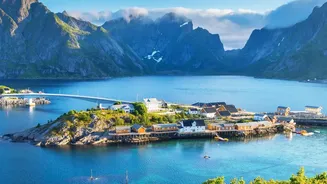
Tucked at the end of a fjord arm is Fjærland, a tiny village with a big personality. It’s known as the 'Norwegian Book Town'. Here, books are everywhere—in old ferry waiting rooms, stables, and small shops, with an estimated 150,000 used books for sale. This isn’t a destination with a long list of must-see sights. Its charm is in the act of browsing, discovering a forgotten title, and reading with a spectacular fjord view as your backdrop. Slow travel in Fjærland means embracing the quiet. You can wander between the bookshops, hike to the nearby Bøyabreen and Supphellebreen glaciers, and engage in conversation with the locals who run these unique literary outposts. It’s a place that proves a destination's richness isn't measured by its size, but by its character.