





Understanding the Enemy
Pantry pests are a group of insects, primarily small beetles and moths, that infest stored food products. Common culprits in Indian kitchens include rice weevils, flour beetles, and Indianmeal moths. These pests don't just appear out of nowhere; they
are typically introduced into the home through infested grocery items. They can also enter through tiny cracks and openings, drawn by the scent of food. Their life cycle allows them to multiply quickly in the right conditions—namely, a dark, undisturbed space with plenty of food. They thrive on grains, cereals, flours, spices, dried fruits, and even pet food, contaminating far more than they consume.
The Fortress: Airtight Containers
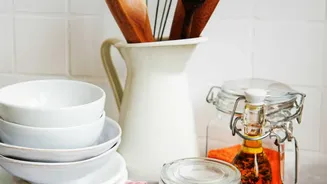
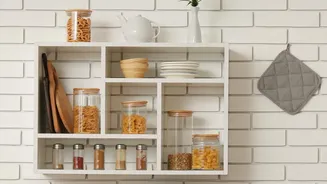
Your first and most effective line of defence is to eliminate easy access to food. Cardboard boxes and paper or thin plastic bags are no match for these pests, which can chew through them or exploit weak seams. Investing in airtight containers is non-negotiable for a pest-free pantry. Choose containers made of thick glass, hard plastic, or metal, with secure, locking lids and silicone gaskets to create a strong seal. Decanting items like flour, rice, pasta, and cereals into these containers immediately after shopping removes the original, vulnerable packaging and traps any potential hitchhikers, preventing them from spreading.
Cut Off Their Food Supply: Cleanliness is Key
A clean pantry is a hostile environment for pests. Crumbs, spilled flour, or stray grains of rice are an open invitation for an infestation to begin. Regular cleaning is crucial. At least once every few months, empty your pantry shelves completely. Vacuum all surfaces, paying special attention to corners, cracks, and crevices where eggs and larvae can hide. Afterwards, wipe the shelves with hot, soapy water, followed by a wipe-down with a solution of equal parts white vinegar and water. Vinegar can help to deter pests and also cleans the surface. Make sure shelves are completely dry before restocking.
Smart Habits for Prevention
Prevention starts at the grocery store. Inspect packages for any signs of damage, rips, or small holes before buying them. When you get home, consider freezing new bags of flour, grains, or nuts for at least four days to a week. This will kill any eggs or larvae that might be hidden inside. Store older items at the front of your pantry and newer items at the back to ensure you use up products before they become a target. Avoid overstocking; buy what you need for a month or two to reduce the amount of food sitting for long periods. Finally, consider using natural repellents. Placing a few dried bay leaves inside your containers of flour and rice is a time-tested method to deter weevils and moths; their strong scent is thought to be a powerful repellent.
What to Do When It's Too Late
If you find pests, act immediately to contain the problem. First, identify and discard any infested food. Be ruthless—if you see pests in one bag of flour, its neighbours are also at risk. Seal the contaminated food in a plastic bag and remove it from your home immediately. Empty the entire pantry and inspect every single item. Unopened packages you believe are safe can be frozen for a week just in case. Then, perform a deep clean as described above: vacuum every surface, wash with soap and water, and finish with a vinegar solution. Let everything dry completely before restocking your food, which should now be in airtight containers. For persistent moth problems, pheromone traps can help break the breeding cycle by capturing adult males.