


What Exactly is Colour-Blocking?
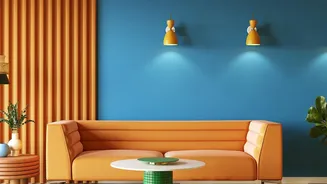
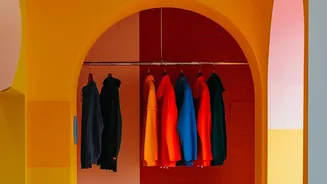
Colour-blocking is an interior design technique that uses distinct, solid blocks of colour to create a visual statement. Forget complex patterns or fussy details; this trend is all about the powerful impact of pairing two or more solid hues. Originating
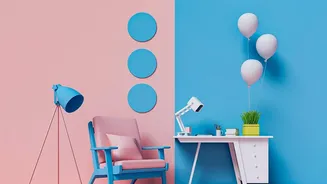
in fashion, the concept has moved into homes, turning walls into canvases. The goal is to use colour itself as the primary design element, creating structure and interest. It’s not about randomly splashing paint, but thoughtfully arranging shapes—be it squares, circles, or abstract forms—in complementary or contrasting shades to liven up a neutral space or highlight an architectural feature. Sticking to two or three colours is often recommended to maintain a cohesive look.
The Power of Shapes and Hues
Before you pick up a brush, it helps to understand the basics of how colours and shapes affect a room's atmosphere. Colours are generally divided into warm (reds, oranges, yellows) and cool (blues, greens, purples) categories. Warm tones tend to create an energetic, social vibe, while cool tones promote calmness and relaxation, making them ideal for bedrooms. The relationship between colours on the colour wheel is also key. Complementary colours (opposites, like blue and orange) create high contrast, while analogous colours (neighbours, like blue and green) produce a more serene effect. Similarly, geometric shapes carry their own energy; the clean lines of squares and triangles feel modern and sharp, while circles and curves can soften a space and add a playful touch.
Choosing Your Perfect Palette
Selecting the right colours can feel daunting, but it doesn't have to be. A great starting point is to look around the room. Do you have a favourite piece of art, a rug, or a cushion? Pull two or three colours from that object to create an instantly coordinated palette. Another popular approach is the 60-30-10 rule. This guideline suggests using a dominant colour for 60% of the space, a secondary colour for 30%, and a bold accent for the remaining 10%. This ensures a balanced look that isn’t overwhelming. If you’re feeling bold, you can pair opposite colours from the colour wheel for a high-impact look. For a subtler effect, a monochromatic scheme using different shades of the same colour can add depth and sophistication.
Planning Your Geometric Masterpiece
A little planning goes a long way. Before committing to paint, sketch your ideas on paper to see how the shapes will interact on your wall. Consider the room's function and existing furniture. A large, dramatic arch might look great behind a sofa, while a series of smaller triangles could be perfect for a cosy reading nook. Use painter's tape to outline your design directly on the wall. This allows you to step back, assess the scale and placement, and make adjustments before you start painting. A spirit level, ruler, and pencil are your best friends during this stage to ensure your lines are straight and your angles are precise. Taking the time to map everything out will give you a professional finish.
Your Step-by-Step DIY Guide
Once your design is planned, it's time for the fun part. First, gather your supplies: painter's tape, dust sheets, sandpaper, filler for any cracks, a paint tray, a roller for large areas, and smaller brushes for detailed edges. Prepare your wall by cleaning it and ensuring a smooth surface. Apply your painter’s tape firmly along your sketched lines to get crisp edges. If you are using multiple colours, start by painting the non-adjacent blocks first to avoid smudging. Apply your first colour and let it dry completely before removing the tape. Then, re-tape for the next colour. Patience is key; letting each block of colour dry fully before painting the one next to it is crucial for a clean, seamless result.
More Than Just a Feature Wall
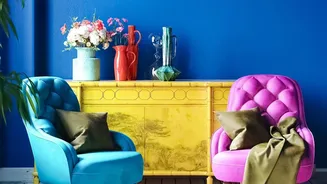
Not ready to commit to painting an entire wall? You can still embrace the geometric colour-block trend in smaller, less permanent ways. Create your own artwork by painting geometric designs on a large canvas or a piece of plywood. This gives you a statement piece you can move around your home. You can also use this technique to revitalise old furniture, like painting the front of a dresser with colourful blocks or adding a geometric design to a tabletop. Even smaller accents like throw pillows, rugs, or lampshades with bold geometric patterns can introduce this modern aesthetic into your decor without a major commitment. These small touches can tie a room together and add a pop of personality.