



The Ultimate 10-Minute Side Dish
When time is short, a simple garlic bok choy is a game-changer. This preparation is all about speed and flavour, transforming a humble vegetable into a delicious side in minutes. The key is high heat and quick cooking. Start by heating a neutral oil in a pan
and tossing in a generous amount of minced garlic. After just a few seconds, once the garlic is fragrant, add the bok choy. For even cooking, it helps to separate the crunchier white stems from the delicate green leaves. The stems go in first for a minute or two, followed by the leaves, which wilt almost instantly. A simple sauce of soy sauce, a touch of sugar for balance, and perhaps a splash of rice wine vinegar brings it all together. The entire process takes less than 10 minutes, resulting in a dish that is tender-crisp, garlicky, and deeply satisfying.
A Perfect Pairing: Tofu and Bok Choy Stir-Fry
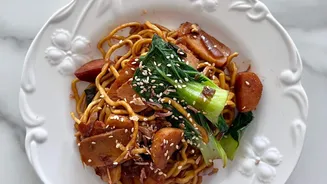
For a more substantial meal, pairing bok choy with tofu is a classic that never fails. The combination of textures—crispy or soft tofu against the juicy crunch of bok choy—is incredibly satisfying. The first step to a great stir-fry is preparing the tofu. For a firmer, crispier result, press a block of extra-firm tofu to remove excess water, then cube and pan-fry it until golden brown on all sides. Once the tofu is cooked, set it aside. In the same pan, stir-fry your aromatics like garlic and ginger. Add the bok choy stems along with other hardy vegetables like sliced carrots or bell peppers, cooking for a few minutes until they begin to soften. The tender green leaves go in last, as they only need about a minute to wilt. Finally, return the tofu to the pan and toss everything with a flavourful sauce. A mix of soy sauce, hoisin, sesame oil, and a hint of chilli sauce creates a perfect sweet and savoury coating.
The Comforting Noodle Soup Bowl
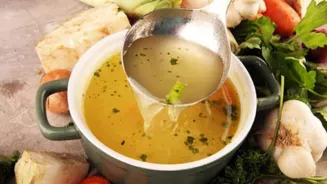
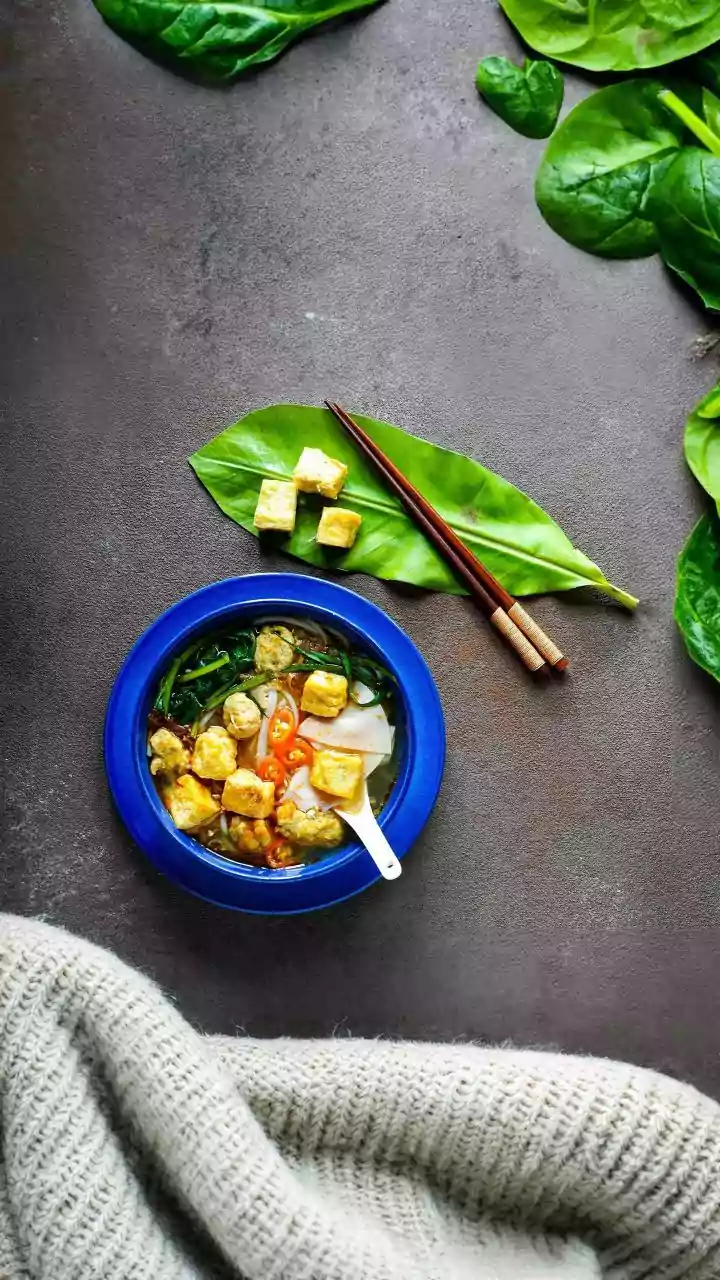
Bok choy truly shines in comforting, brothy noodle bowls, where its leaves become silky and its stems add a pleasant bite. Building a great soup starts with a flavourful broth. Simmering aromatics like ginger, garlic, and scallions in sesame oil before adding vegetable or chicken stock creates a fragrant base. To add more depth, consider including sliced shiitake mushrooms, which lend a savoury, umami flavour. Let the broth simmer for at least 5 to 10 minutes to allow the flavours to meld. The timing for adding the bok choy is crucial to avoid overcooking. Add halved or quartered baby bok choy to the simmering broth for just a few minutes until the stems are tender but still have a slight crunch and the leaves are bright green and wilted. This method ensures the vegetable retains its texture and freshness.
Bringing It All Together In One Bowl
The one-bowl meal is the ultimate comfort food, and a bok choy noodle bowl with tofu has all the components for a complete and satisfying dinner. Start by preparing your noodles according to package directions; ramen, vermicelli, or even whole wheat linguini work well. While the noodles cook, prepare your broth and additions. You can combine the techniques, pan-frying tofu for a protein boost and preparing a flavourful garlic-ginger broth. Once the broth is simmering, add the bok choy and let it cook for a minute or two. To assemble, divide the cooked noodles among bowls, ladle the hot broth and vegetables over the top, and add your crispy tofu. Garnish with fresh green onions or sesame seeds for an extra layer of flavour and texture.
Tips for Buying and Prepping
Getting the best results starts at the store. Look for bok choy with firm, white stalks and vibrant, dark green leaves. Avoid any heads with brown spots or wilted leaves. Bok choy has a tendency to trap grit and sand at the base of its stalks, so proper cleaning is essential. The most effective method is to separate the leaves from the base or, if using baby bok choy, to slice them in half lengthwise. This allows you to rinse thoroughly between the layers under cold running water. Once clean, pat the bok choy dry. For cooking, you can keep baby bok choy whole or halved, while larger heads are best prepared by separating the stems and leaves, as the thicker stems require a longer cooking time.