

The Cultural Significance of Makkhan
From Vedic times, white butter has been a cherished part of India's culinary heritage. Its significance is deeply woven into culture, most famously through stories of Lord Krishna, who was affectionately called 'Makhan Chor' or the butter thief. This
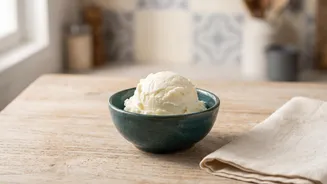
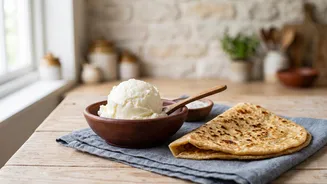
connection has made homemade butter a symbol of purity, love, and celebration, especially during festivals like Janmashtami. Traditionally made by churning malai (cream) collected from milk, white butter is unsalted and minimally processed, setting it apart from its commercial yellow counterpart. This simple, pure quality is why it's not just a food item but an expression of devotion and tradition in countless households.
White Butter vs. Yellow Butter: The Real Difference
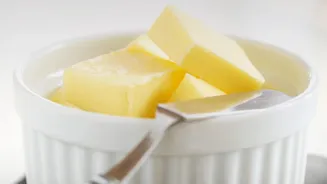
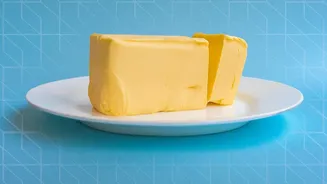
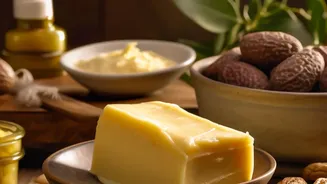
The primary difference between homemade white butter and commercial yellow butter lies in processing and additives. White butter is typically made at home from fresh cream and is free from added salt and colourings. Commercial yellow butter often contains added salt, which acts as a preservative, and sometimes colouring agents. The yellow hue itself can come from the diet of the cows; grass-fed cows produce milk richer in beta-carotene, which gives butter a golden colour. Nutritionally, both are high in fat, but white butter is often considered a purer choice due to its lack of additives. Some sources suggest a tablespoon of homemade white butter has around 90 calories, slightly less than the 102 calories in a typical serving of yellow butter.
Understanding the Nutrition
Regardless of its colour, butter is a fat-dense food. A single tablespoon packs about 102 calories and around 11.5 grams of fat, with a significant portion of that being saturated fat. However, it's not without its benefits. Butter is a natural source of fat-soluble vitamins like A, D, and E. Vitamin A is crucial for vision and immunity, while vitamin E is an antioxidant that supports skin health. Homemade white butter also contains lecithin, a substance that may aid in fat metabolism, and butyrate, a short-chain fatty acid that can support gut health. The key takeaway is that while it offers some nutrients, its high calorie and saturated fat content mean it must be consumed in moderation.
What is a Healthy Portion Size?
So, how much is too much? Most dietary guidelines recommend limiting saturated fat intake to less than 10% of your total daily calories. For a person consuming 2,000 calories a day, this translates to about 22 grams of saturated fat. Since one tablespoon (about 14 grams) of butter contains roughly 7 grams of saturated fat, it's clear that portions can add up quickly. A sensible approach is to stick to about 1-2 tablespoons per day, factoring in all other sources of fat in your diet. A helpful visual cue is to think of one teaspoon of butter as the size of a single die. This small amount is often enough to add flavour and richness to a dish without overloading on calories.
Practical Tips for Portion Control
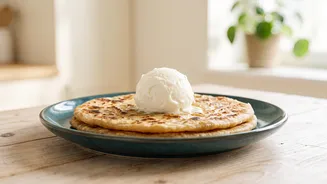
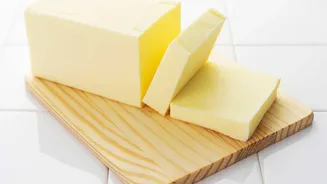
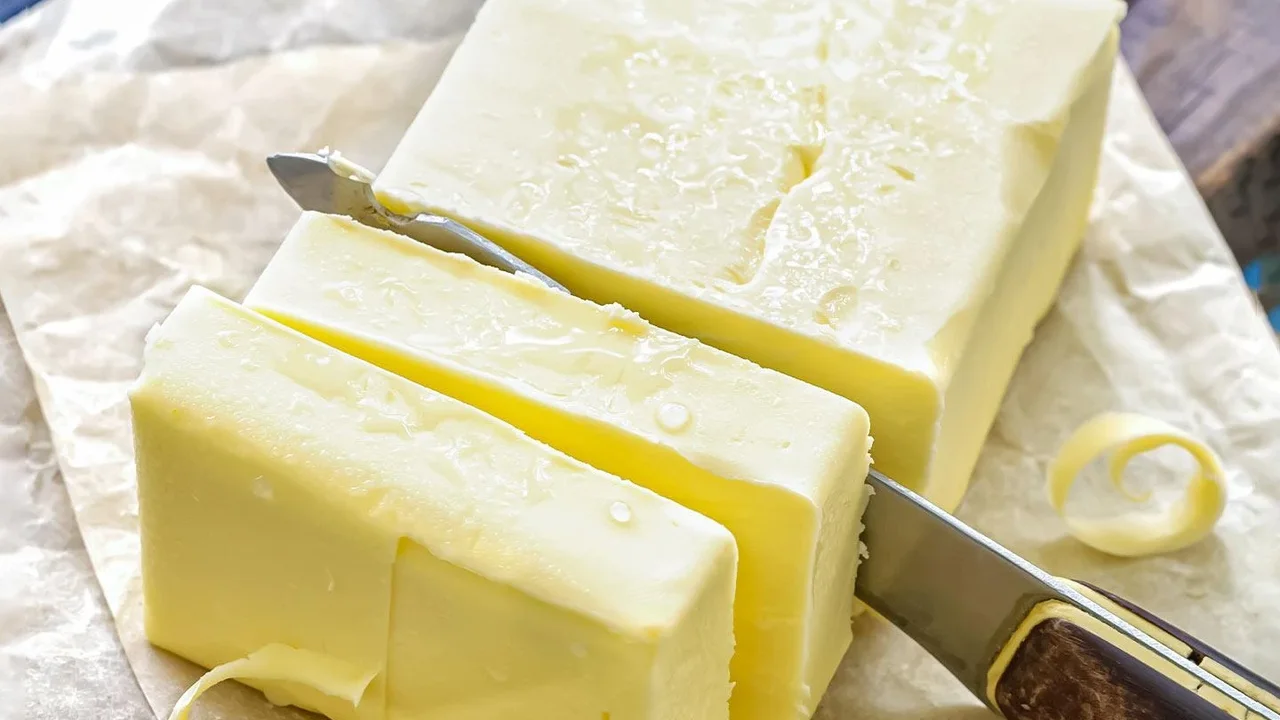
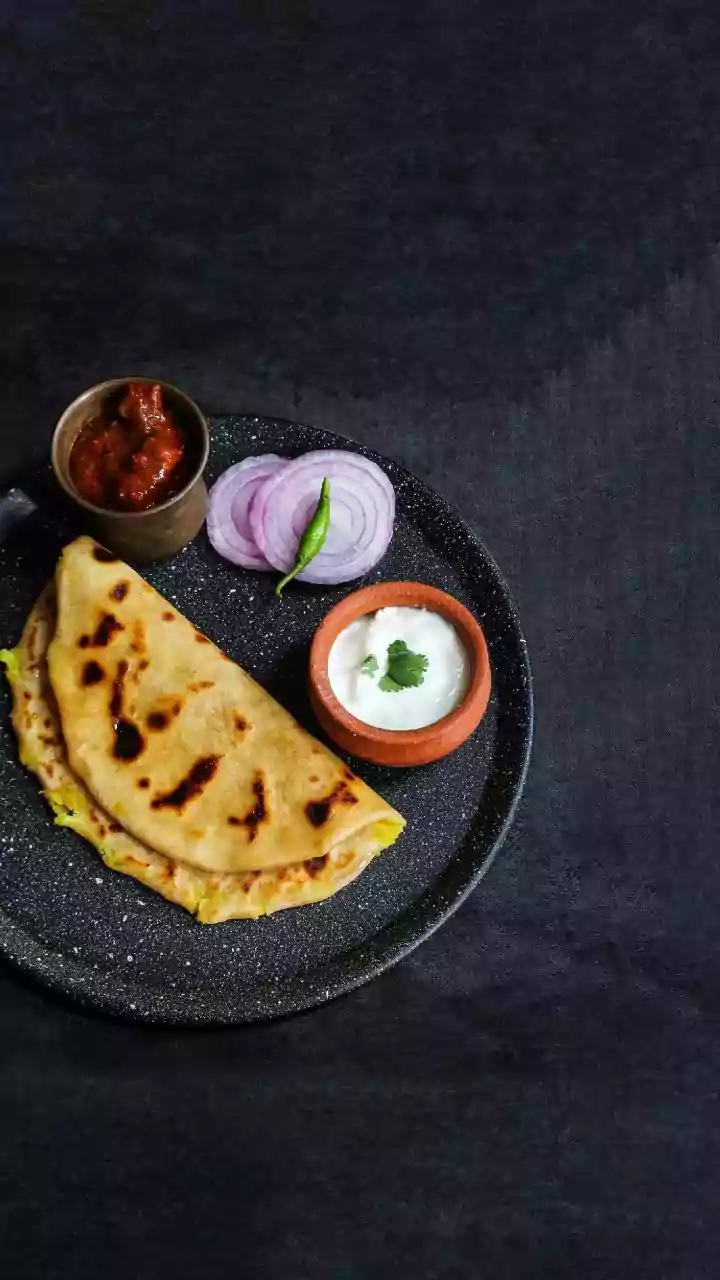
Enjoying homemade butter without overdoing it is all about mindful preparation and consumption. One effective method is to portion it out as soon as you make it. You can shape the butter into small, single-serving balls or use silicone molds to freeze individual portions. Another technique is to slice a block of butter into even portions, separating them with small pieces of baking paper before storing them in the fridge or freezer. This makes it easy to grab just what you need. When eating, be conscious of how much you're using. Instead of taking a large dollop, spread a thin layer on your roti or toast. Using a kitchen scale to weigh a standard serving a few times can also help you visually calibrate what a healthy portion looks like.